Teeth alignment and spacing
Common reasons for seeking an assessment include crowding, spaces between teeth, teeth that have erupted into an unusual position, and bite problems such as increased overjet, deep bite, open bite or crossbite.

Orthodontics is the dental specialty concerned with diagnosing and managing problems with tooth position, the way the upper and lower teeth meet, and, when relevant, jaw growth and development. If you are considering orthodontic treatment in Dubai, this guide explains the main treatment options, when an assessment may be useful, how treatment choice is made, what treatment may involve, and what to consider before choosing a provider.
LumiQuest is an independent dental guidance platform, not a clinic, public directory or paid-ranking marketplace. Our aim is to help you understand your options, compare costs more clearly and know what questions to ask before starting treatment.
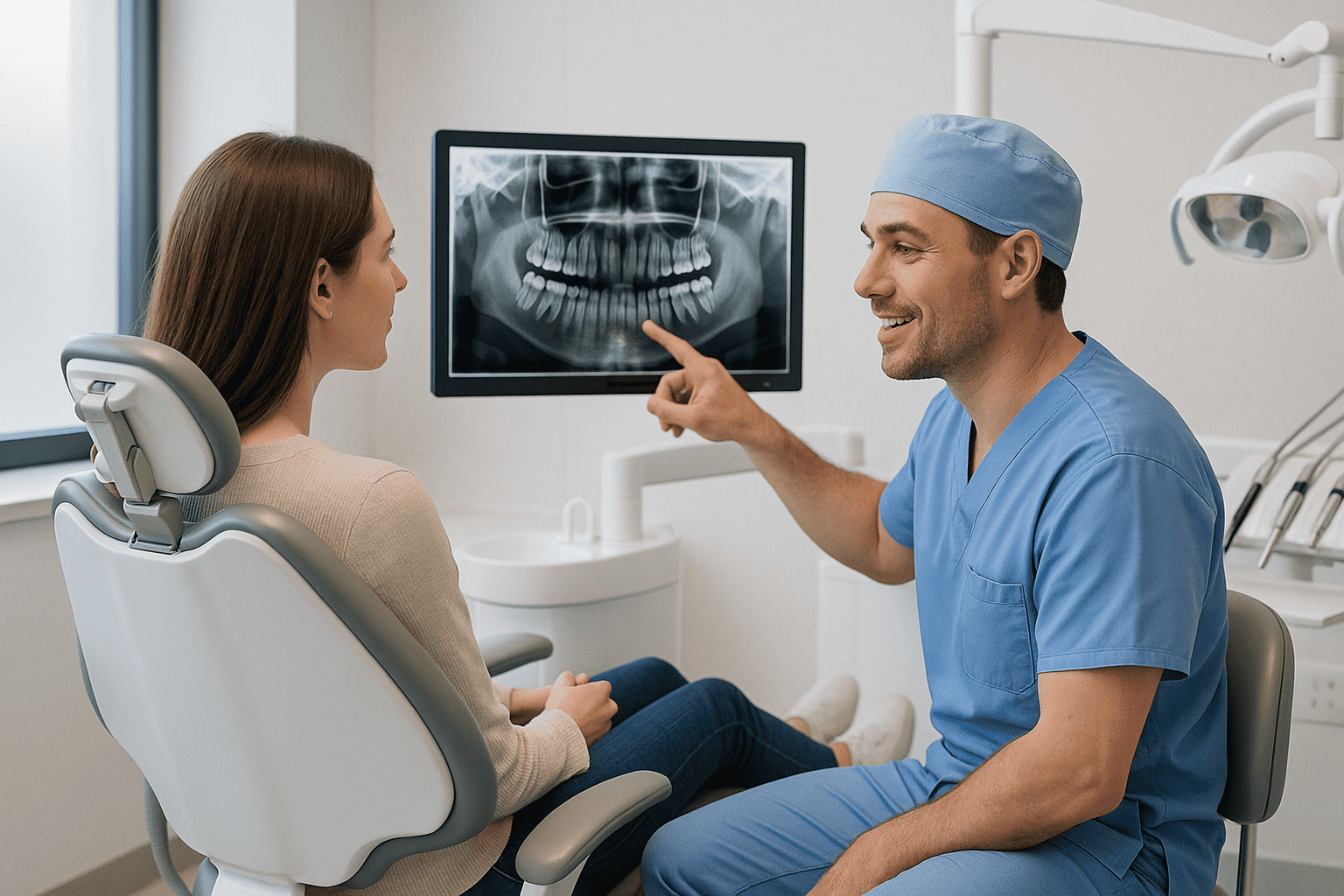
Orthodontic assessment can help identify problems with tooth alignment, spacing, eruption and the bite. It can also help determine whether jaw growth or development is contributing to the problem, particularly in children and adolescents.
Common reasons for seeking an assessment include crowding, spaces between teeth, teeth that have erupted into an unusual position, and bite problems such as increased overjet, deep bite, open bite or crossbite.
The same visible concern can have different causes, so treatment should be based on diagnosis rather than appearance alone.
An orthodontic assessment may be useful when there are concerns about crowding, spacing, tooth position, the way the teeth meet, or the eruption of developing teeth. It can also be appropriate when previously treated teeth have moved or when another dental treatment depends on tooth position or bite.
The purpose of the assessment is to identify the problem, understand its cause and timing, and decide whether treatment is indicated now, later, or not at all.

Orthodontic treatment can involve several different approaches, and the right option depends on what needs to be corrected. Braces, Invisalign and other appliances can solve different problems in different ways, so treatment choice should begin with your diagnosis and treatment goals before considering practical factors such as appearance, removability and day-to-day use.
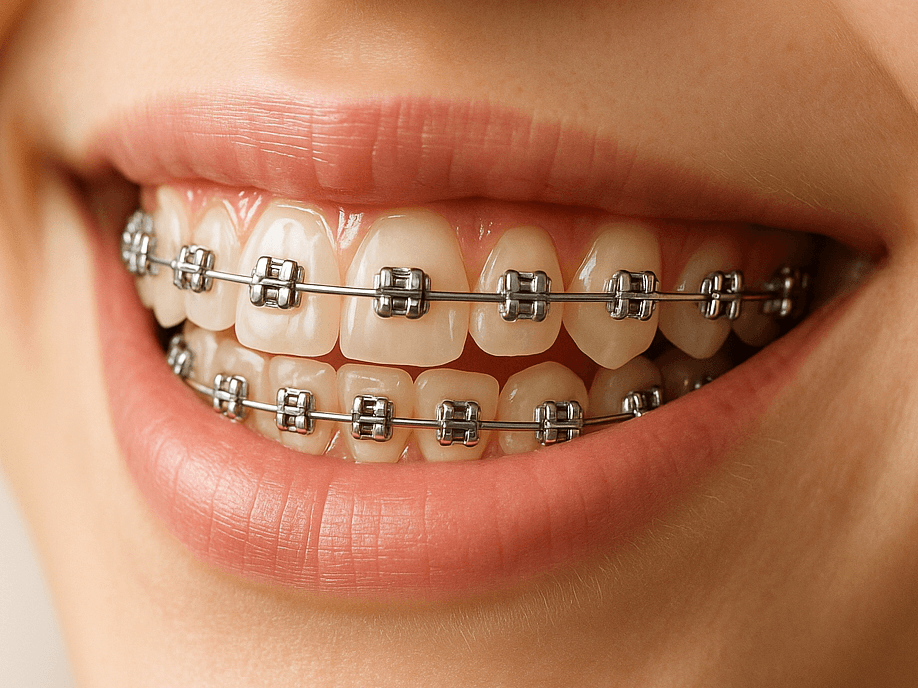
Fixed braces use brackets attached to the teeth and wires to guide tooth movement. Different systems include conventional metal braces, ceramic braces, self-ligating systems and lingual braces. The appropriate type depends on the treatment required as well as practical considerations such as visibility, maintenance and your preferences. The appliance type itself does not determine the quality of the treatment outcome.
Explore braces treatment in Dubai →
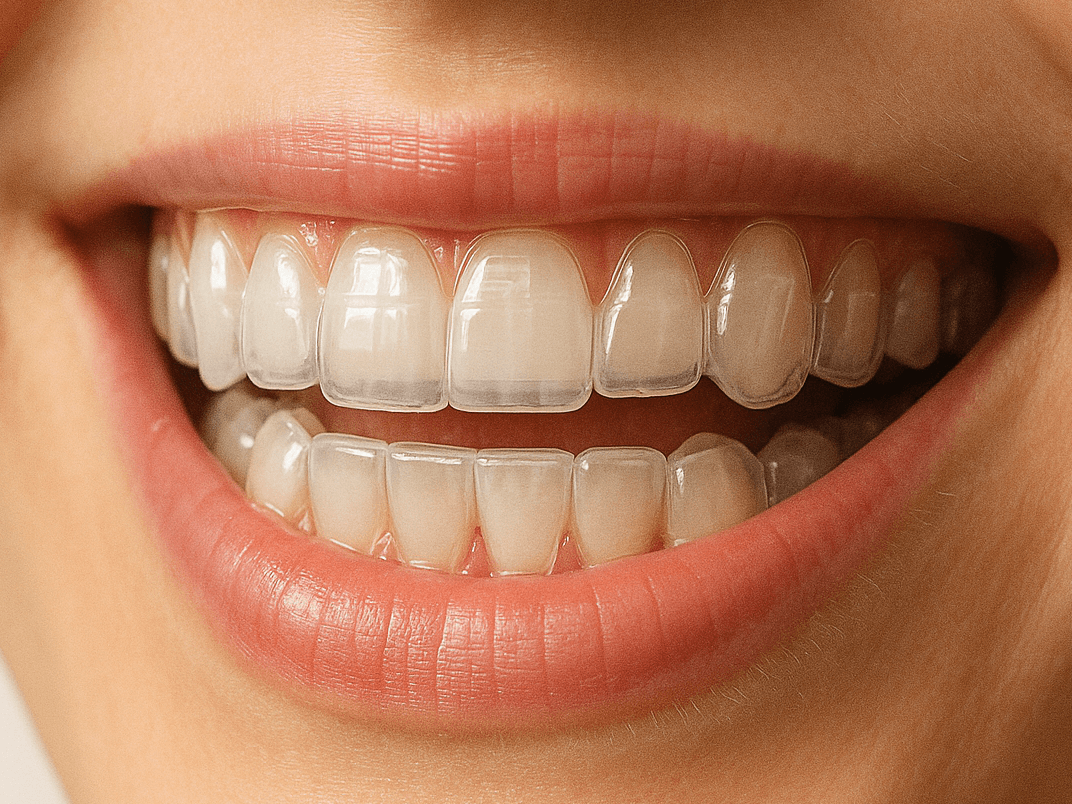
Invisalign is a branded clear-aligner system that uses a planned sequence of removable aligners to move the teeth. Whether it is appropriate depends on the diagnosis, the movements required, treatment goals and your ability to wear the aligners as prescribed. Some cases may also require attachments, interproximal reduction, elastics or other treatment measures as part of the plan.
Understand Invisalign treatment →
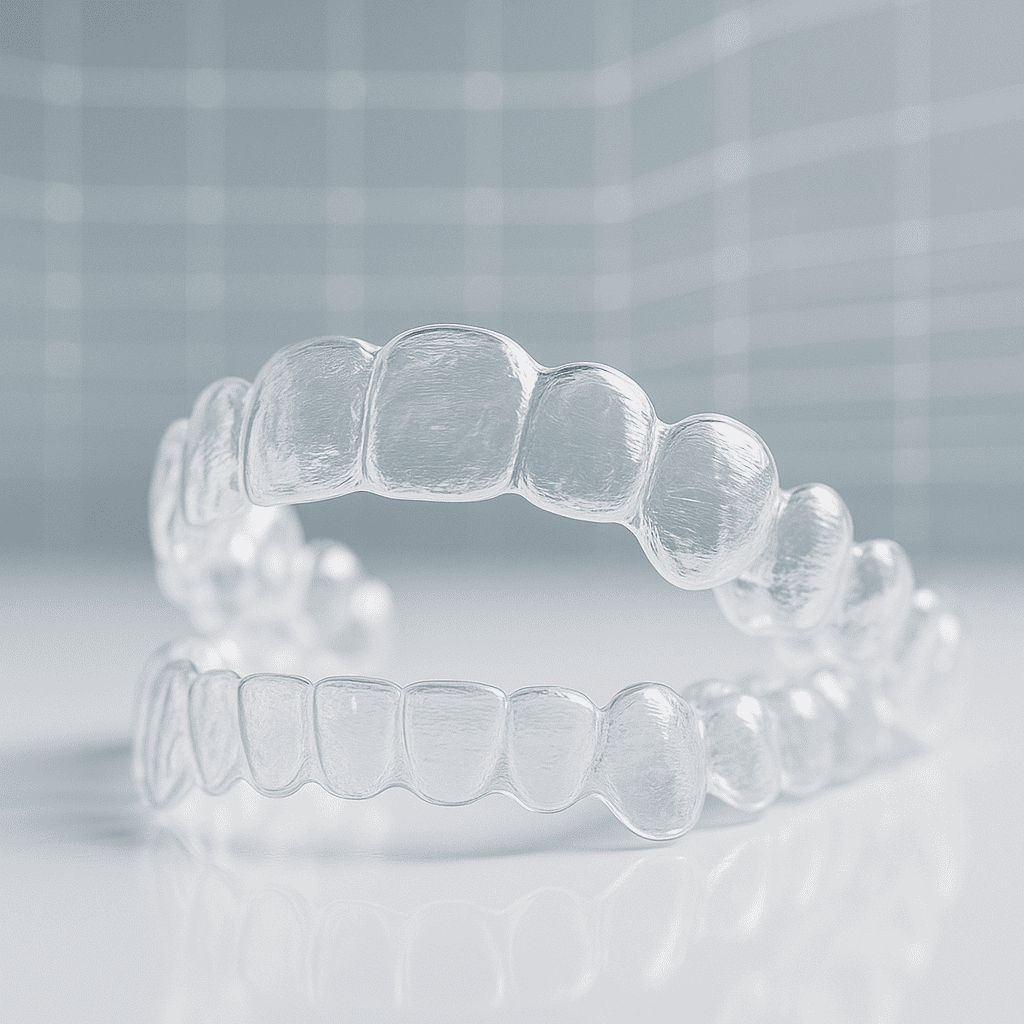
Clear aligners are a broader treatment category, and Invisalign is one brand within it. Different aligner systems can vary in treatment planning, monitoring, available features and provider involvement. A useful comparison should therefore focus on the diagnosis, proposed tooth movements, clinical oversight and complete treatment plan rather than treating all clear aligners as equivalent products.
Explore non-Invisalign clear aligners →

Orthodontic treatment during childhood may sometimes be considered before all permanent teeth have erupted. The purpose can vary—for example, addressing a particular bite, eruption or growth-related problem, creating space, or reducing the severity of a developing problem. Early treatment is not necessary for every child, and beginning treatment earlier does not automatically produce a better result. Timing should be based on the individual diagnosis and stage of dental and facial development. [ 3]
Read the pediatric orthodontics guide →
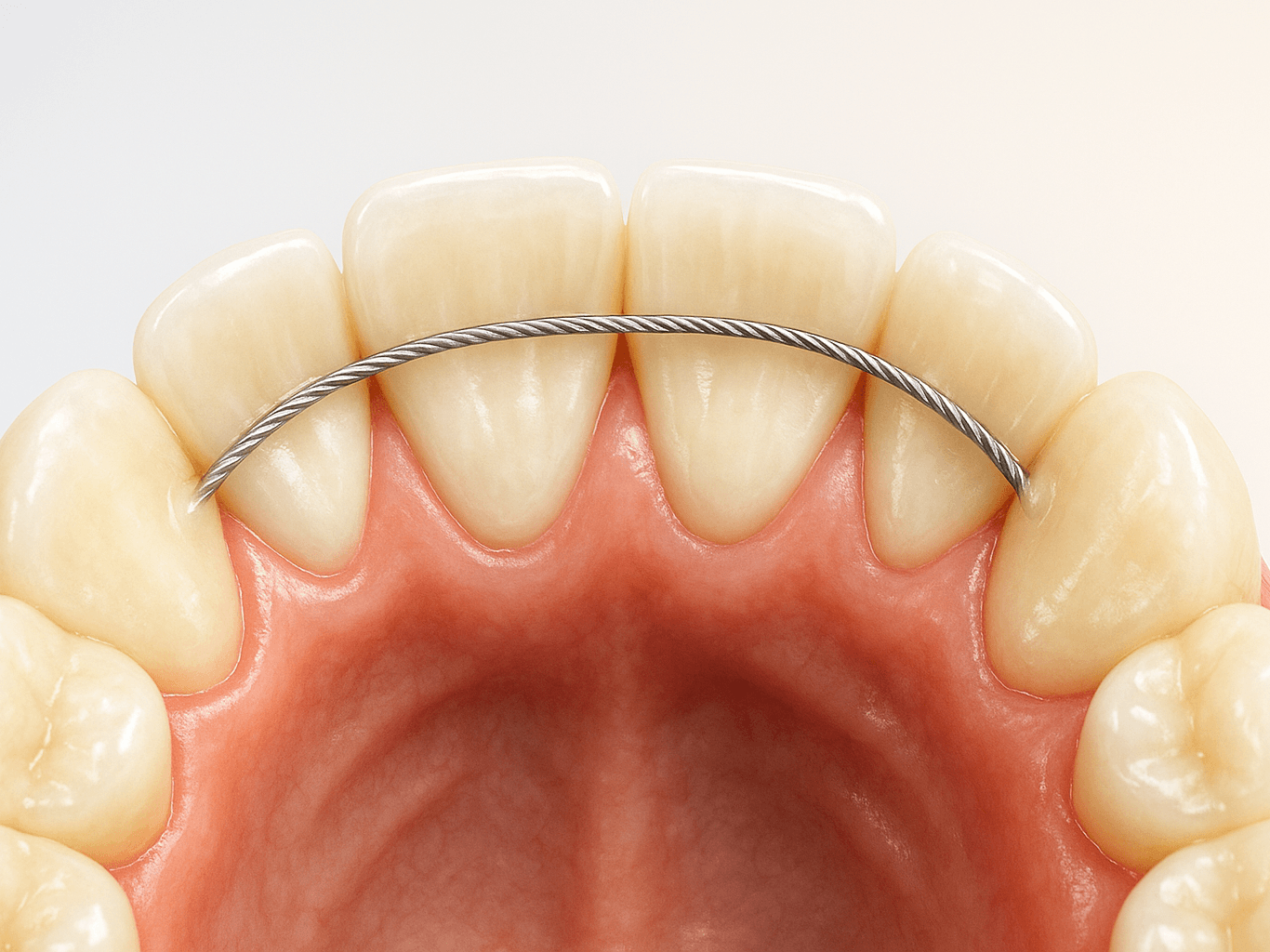
Retention follows active tooth movement and helps maintain the corrected tooth positions. The type of retainer, wear instructions and follow-up plan should be tailored to your treatment; detailed retainer guidance sits on the dedicated retainer page.
Understand retainers and aftercare →Orthodontic treatment should start with the diagnosis, not with choosing an appliance. The first questions are what problem needs to be corrected, what tooth movements are required, how the bite is affected, whether growth or development is relevant, and what the treatment is intended to achieve.
There is no single appliance that is best for everyone. Fixed braces, Invisalign and other aligner systems each have different strengths, limitations and practical demands, and the right choice depends on your individual diagnosis and treatment goals. [ 4]
Once the clinically appropriate options are clear, practical factors can help you choose between them. These may include visibility, removability, cleaning, eating, speech, comfort, how reliably you can follow wear instructions, appointment logistics, and how the plan handles refinements, repairs or changes in treatment scope.
If two providers recommend very different approaches, ask each to explain the diagnosis, treatment objective, alternatives, expected limitations and why that particular approach is being recommended before comparing convenience or price.
An orthodontic assessment begins with understanding your concerns, examining the teeth and bite, and defining the treatment goals. Depending on what needs to be assessed, the clinician may also use records such as photographs, digital scans or models, and appropriate dental imaging.
The records needed are not identical for every person. Panoramic or cephalometric X-rays, for example, may be useful in some cases, while more detailed three-dimensional imaging such as CBCT should be used only when it is clinically justified and the additional information is relevant to diagnosis or treatment planning. [ 1]
You can ask which records or images are being recommended, what information they are expected to provide, and whether they are included in the consultation or treatment quote.
Regular monitoring is an important part of orthodontic treatment. With fixed braces, review appointments are commonly scheduled every several weeks—often around 4–10 weeks—although the interval can vary with the stage of treatment and what needs to be done at that visit. [ 2] Clear-aligner monitoring may follow a different schedule.
At these reviews, the clinician checks how the teeth and bite are responding, assesses the health of the teeth and gums, and makes any changes needed to keep treatment progressing.
You should also know who is responsible for overseeing your care and what to do if a problem occurs between planned visits—for example, a broken brace component or an aligner that is lost, damaged or no longer fitting as expected.
When active tooth movement is complete, treatment moves into retention. Retainers help maintain the corrected tooth positions, and the type of retainer, wear instructions and follow-up plan should be tailored to your treatment. Teeth can continue to change throughout life, so retention is part of the overall orthodontic plan rather than simply the final appointment. [ 5]
Before treatment finishes, make sure you understand your retention plan, what follow-up is recommended and what to do if a retainer is lost, damaged or no longer fits properly.
Learn more about retainers and aftercare →Before starting orthodontic treatment, find out who will diagnose the problem, design the treatment plan and oversee your care. Orthodontic treatment involves more than fitting braces or supplying aligners; it requires diagnosis, treatment planning, monitoring tooth movement and the bite, and responding when treatment does not progress exactly as expected.
An orthodontist is a dentist who has completed additional specialist training in orthodontics. For cases that require specialist orthodontic expertise—particularly more complex tooth movement, significant bite problems, growth-related concerns or multidisciplinary treatment—a specialist orthodontic assessment can be especially valuable.
Ask who is responsible for the diagnosis, treatment plan and major treatment decisions, what their relevant orthodontic training and professional role are, and how continuity of care will be handled.
Credentials alone do not guarantee a good outcome. A good treatment decision also depends on an appropriate diagnosis, a clearly explained plan, realistic alternatives and limitations, proper monitoring, and a written quote that matches the treatment being proposed.
The treatment amount is only comparable when the scope is clear. Ask what is included in the quoted total, which diagnostics or records are separate, how routine monitoring is handled, whether retainers are included, and which changes or additional procedures could create a separate charge.
Ask how the provider manages repairs, missed visits, lost or damaged removable appliances, changes in treatment scope, referrals to other dental professionals and retention after active treatment. The answer should be specific enough that you know who is responsible and what could affect the plan or cost.
These questions are a useful starting point when comparing orthodontic care.
See the full guide to choosing an orthodontic provider →Orthodontic cost depends on your diagnosis, the treatment required, the appliance or package being considered, how treatment will be monitored, and what is included in the written quote.
For current Dubai cost guidance, choose the guide that matches the treatment you are comparing.
For broader orthodontic pricing, consultation and diagnostic costs, and guidance on comparing complete treatment quotes.
Explore orthodontic costs →For detailed pricing guidance covering metal, ceramic, Damon and lingual braces, including what may be included in a braces quote.
See braces costs by type →For current Invisalign pricing guidance, package details, inclusions and other costs that may affect the full treatment quote.
Explore Invisalign costs →Braces and Invisalign can overlap in what they are used to treat, but they are not interchangeable in every case. The useful comparison is not “which is better?” in the abstract. It is which clinically appropriate option best fits your diagnosis, treatment goals, practical demands and preferences.
If both approaches are considered appropriate, compare visibility, removability, cleaning, eating, wear responsibility, monitoring, likely contingencies, retention and the full written treatment cost.
Compare Invisalign and braces →Parents may seek an orthodontic assessment because of crowding, unusual eruption, bite concerns or questions about jaw growth and dental development. The appropriate timing depends on the individual problem and stage of development. Some children need only observation, while others may have a reason for earlier intervention or treatment later when more permanent teeth have erupted.
Location and communication can affect how practical it is to attend treatment over time. You can explore orthodontic care by Dubai area or look for guidance based on language and communication preferences.
These options are about convenience and communication. Location, language or nationality does not determine treatment quality.
LumiQuest is an independent dental guidance platform. We do not provide orthodontic treatment, and we do not publish paid rankings of orthodontic providers.
Clinical guidance, cost information and choosing a provider involve different questions, so we keep them clearly separated.
Our treatment guides explain orthodontic concepts, when an assessment may be useful, how treatment choices are made and what questions may help you prepare for a consultation.
Where a named clinical reviewer is shown, the clinical content has been substantively reviewed before publication.
Our cost guides keep pricing separate from general treatment education so that sources, dates, treatment scope and quote inclusions can be presented and checked more clearly.
This helps you distinguish a starting price or promotion from a quote that covers the treatment being proposed.
Our provider-choice guidance focuses on practical questions such as who will diagnose and oversee care, relevant orthodontic training, how the treatment plan is explained, what the written quote includes and how follow-up will be handled.
LumiQuest does not publish a paid “best orthodontist” ranking or league table.
Keeping these responsibilities separate helps you see what is clinical guidance, what is current cost information and what to consider when choosing a provider.
Short answers to common questions about orthodontic assessment, treatment choices, costs and choosing a provider.
Orthodontics is the dental specialty concerned with tooth position, the bite and, when relevant, jaw growth and development.
An orthodontic assessment may be useful when there are concerns about crowding, spacing, tooth position, the way the teeth meet, or the eruption of developing teeth. It can also be appropriate when previously treated teeth have moved or when another dental treatment depends on tooth position or bite. The purpose is to decide whether treatment is indicated now, later, or not at all.
Orthodontic treatment should start with the diagnosis, not with choosing an appliance. Once the clinically appropriate options are clear, practical factors can help you choose between them, including visibility, removability, cleaning, eating, speech, comfort, wear instructions and appointment logistics. There is no single appliance that is best for everyone.
For broad cost and quote interpretation, use the orthodontic cost guide; for detailed brace-system pricing, use the braces cost guide; and for Invisalign treatment and package pricing, use the Invisalign cost guide. This page does not publish a separate numeric price range.
Ask who is responsible for the diagnosis, treatment plan and major treatment decisions, what their relevant orthodontic training and professional role are, and how continuity of care will be handled. See LumiQuest’s guide to choosing an orthodontic provider for the full method.
The numbered markers in this guide link to sources supporting specific clinical statements.
The clinical review included the definition of orthodontics and bite and growth language; when an orthodontic assessment may be useful; treatment-family descriptions; diagnosis-first treatment selection; orthodontic records and imaging; treatment monitoring and retention; and guidance about provider roles and when specialist orthodontic assessment may be valuable.
Just a couple of minutes — no pressure, no cost, and fully private
One of our advisors will review your request and guide you to a suitable dentist or clinic, usually within 12 hours.