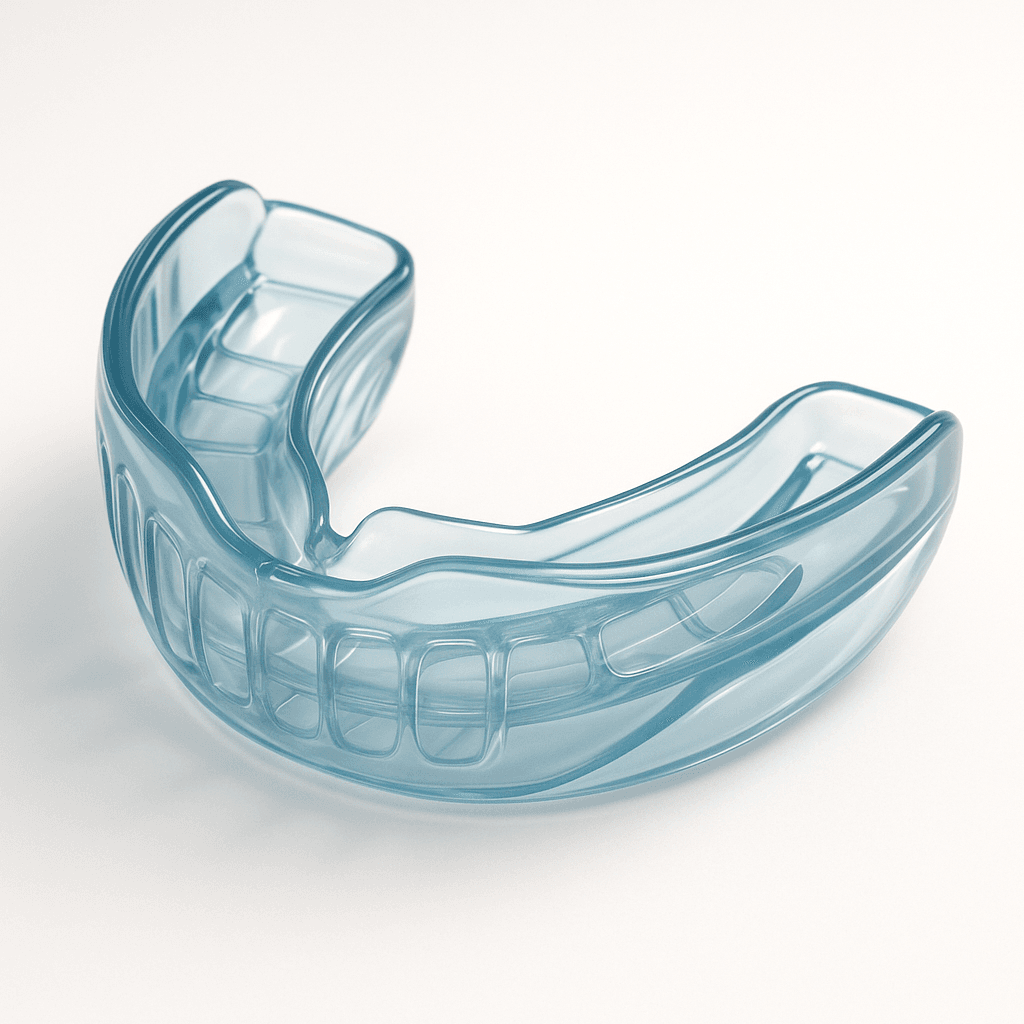
Pathway
No treatment currently expected
The orthodontist may not identify a problem that requires orthodontic treatment at that stage.
Pediatric orthodontics
Pediatric orthodontics is the assessment and, when needed, treatment of a child's developing teeth, bite and jaw relationships.
Not every child who has an orthodontic assessment needs treatment. [1]
The American Association of Orthodontists recommends a first orthodontic check when a problem is recognized and no later than age 7. This is an assessment recommendation, not a universal treatment-start age. [2]
After an assessment, the appropriate next step may be:
The purpose of an early check is to work out whether there is a developing problem, whether timing matters and whether anything needs to be done now.

Understanding the assessment
Pediatric orthodontics looks at how a child's teeth are erupting, how the upper and lower teeth meet, how much space is available and how the bite and jaw relationships are developing. [1]
Treatment may be appropriate for some children, but assessment alone does not mean treatment is required.
Assessment timing
An orthodontic check can be useful before all the permanent teeth have erupted because the clinician can already assess:
how teeth are erupting;
whether there appears to be enough space;
how the upper and lower teeth meet;
whether the jaw shifts when the child bites;
how the dental and facial relationships are developing;
Two children of the same age can therefore receive different recommendations.
Chronological age is only one part of treatment timing. Dental development, the type of bite problem, growth stage and the treatment objective can also matter. [1,8]
What you can notice before the appointment
You do not need to diagnose an orthodontic problem yourself. But you can notice changes that make an assessment reasonable.
What the appointment may involve
The exact assessment depends on the concern, but it may include looking at:
Records and imaging
No.
Records or imaging may be used when the child's history, examination or the clinical question makes them useful. There is no single record or imaging set that every child needs. [1]
Possible next steps
One useful outcome of an early assessment can be finding out that treatment is not needed now.
Broadly, the assessment may lead to three pathways.
The orthodontist may not identify a problem that requires orthodontic treatment at that stage.
The orthodontist may decide that the best plan is to watch how the teeth and bite develop.
Observation is not the same as doing nothing. The clinician may be monitoring:
If observation is recommended, useful questions are:
Treatment may be proposed when there is a specific developing problem and a clear reason to address it at that stage. [1,2]
Understanding Phase 1
Early or interceptive orthodontic treatment means active treatment during the developing dentition for a specific orthodontic problem. [1,2]
It is sometimes described as Phase 1 treatment.
The important question is not simply:
“Can this be treated early?”
“What are we trying to achieve by treating this problem now rather than observing it or treating it later?”
A Phase 1 recommendation should therefore have a clear objective.
Early treatment is not automatically better just because a child is younger or still growing.
Timing depends on the problem
There is no single answer for every orthodontic problem. Timing depends on the diagnosis and the objective of treatment.
For children with prominent upper front teeth in the Class II Division 1 population studied in a Cochrane review, early two-phase treatment reduced new trauma to the front teeth compared with one-phase treatment started in adolescence. [4]
However, the review did not find other better final outcomes from the early two-phase approach compared with later one-phase treatment for the outcomes studied. [4]
For a parent, the useful question is:
“Is reducing the risk of trauma to prominent front teeth one of the reasons you are recommending treatment now?”
That finding is specific to this type of problem. It should not be generalized into “early orthodontics is better.”
Some posterior crossbites can benefit from treatment during the early mixed dentition. In the studied children, active expansion approaches were more effective than observation for correcting the crossbite. [5]
The children in those studies were generally aged 7–11, but that does not create a universal treatment window for every child.
A visible crossbite may have:
Those distinctions matter because they affect treatment choice and timing.
If you notice a crossbite or a jaw shift when your child bites, an earlier assessment can therefore be reasonable.
No.
Expansion can be useful for selected transverse problems, including some posterior crossbites, but the decision depends on the type of discrepancy, the child's development, available space and the wider skeletal relationships. [1,5]
Some early treatments for Class III or underbite problems can produce short-term dental and skeletal improvements. [7]
The longer-term benefit is less certain. [7]
An underbite can therefore be a reasonable reason for earlier assessment, but early treatment should not be presented as a guarantee of permanent skeletal correction or as a way to guarantee that jaw surgery will never be needed.
Visible crowding can understandably worry parents, but crowding alone does not prove that immediate early treatment is better.
The evidence for preventing or correcting childhood crowding is currently very uncertain. [6]
That does not mean early treatment for crowding never has a role.
Instead, the orthodontist is trying to work out issues such as:
Growth and treatment timing
Growth can matter for selected orthodontic problems and selected orthopedic or functional treatments. It is not a universal reason to treat every child early. [1,8]
Research in specific Class II functional-appliance treatment contexts suggests that treatment response can differ according to growth stage. [8]
That evidence should not be turned into a blanket claim that any pediatric appliance will reliably “guide jaw growth.”
If growth is being used as a reason for treatment, ask:
“What part of this proposed treatment depends on growth, and how was my child's growth stage assessed?”
what discrepancy is being treated;
why growth matters for that particular objective;
and why the proposed timing is relevant.
Understanding what Phase 1 can and cannot promise
Not necessarily.
Early treatment may address a particular problem now, while later comprehensive orthodontic treatment may still be needed for final alignment or other treatment goals. [2,4]
At the same time, not every child who receives Phase 1 treatment will automatically require a second phase.
Before agreeing to early treatment, ask:
“Is later comprehensive treatment still expected, possible or unlikely in this case?”
The purpose is to understand what the first phase is—and is not—intended to accomplish.
Oral habits and the developing bite
Persistent thumb, finger or pacifier habits can be associated with bite changes such as open bite, increased overjet or posterior crossbite. [1]
How relevant the habit is can depend on its:
The habit should not automatically be treated as the sole cause of a bite problem.
The clinician can then assess whether it is materially affecting the developing teeth and bite and whether any intervention is appropriate.
Breathing concerns need the right clinical pathway
Mouth breathing may contribute to some dentofacial patterns, but it is not itself an orthodontic diagnosis and should not be presented as the sole or major cause of a child's orthodontic problem. [1]
Orthodontic treatment should also not be presented as a generic treatment for mouth breathing.
If your child persistently mouth-breathes, tell the clinician—particularly if you also have concerns about the teeth, bite or facial development.
Suspected pediatric obstructive sleep apnea or other significant sleep-breathing concerns require appropriate medical evaluation. [9]
Parents should report concerns such as persistent snoring, observed pauses in breathing or other relevant sleep-breathing symptoms to an appropriate medical professional. [9]
Related LumiQuest guides
An orthodontic or intraoral appliance should not be presented as something that independently diagnoses or universally treats pediatric OSA.
Where an orthodontic role is considered, it should be within an appropriately assessed and, where needed, multidisciplinary plan.
Management depends on the diagnosis
Depending on the diagnosis, pediatric orthodontic management may include:
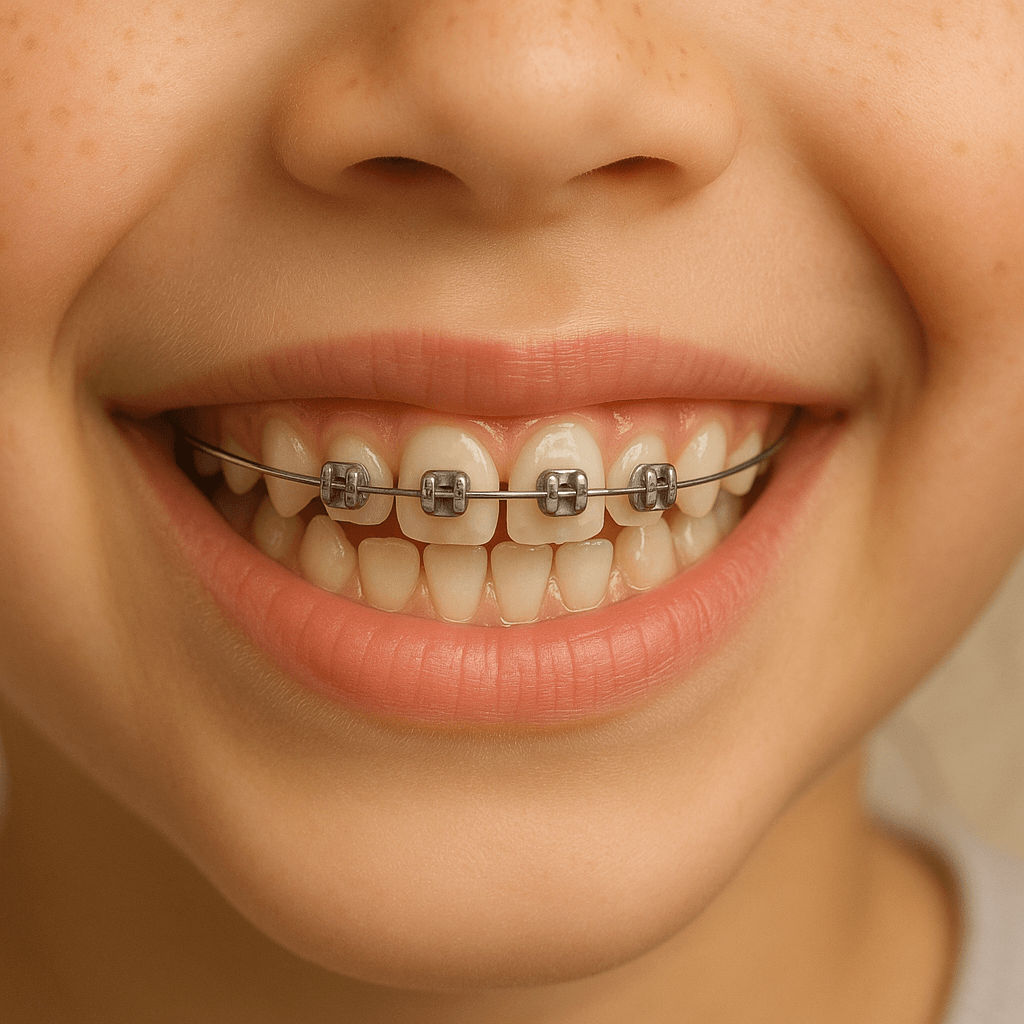
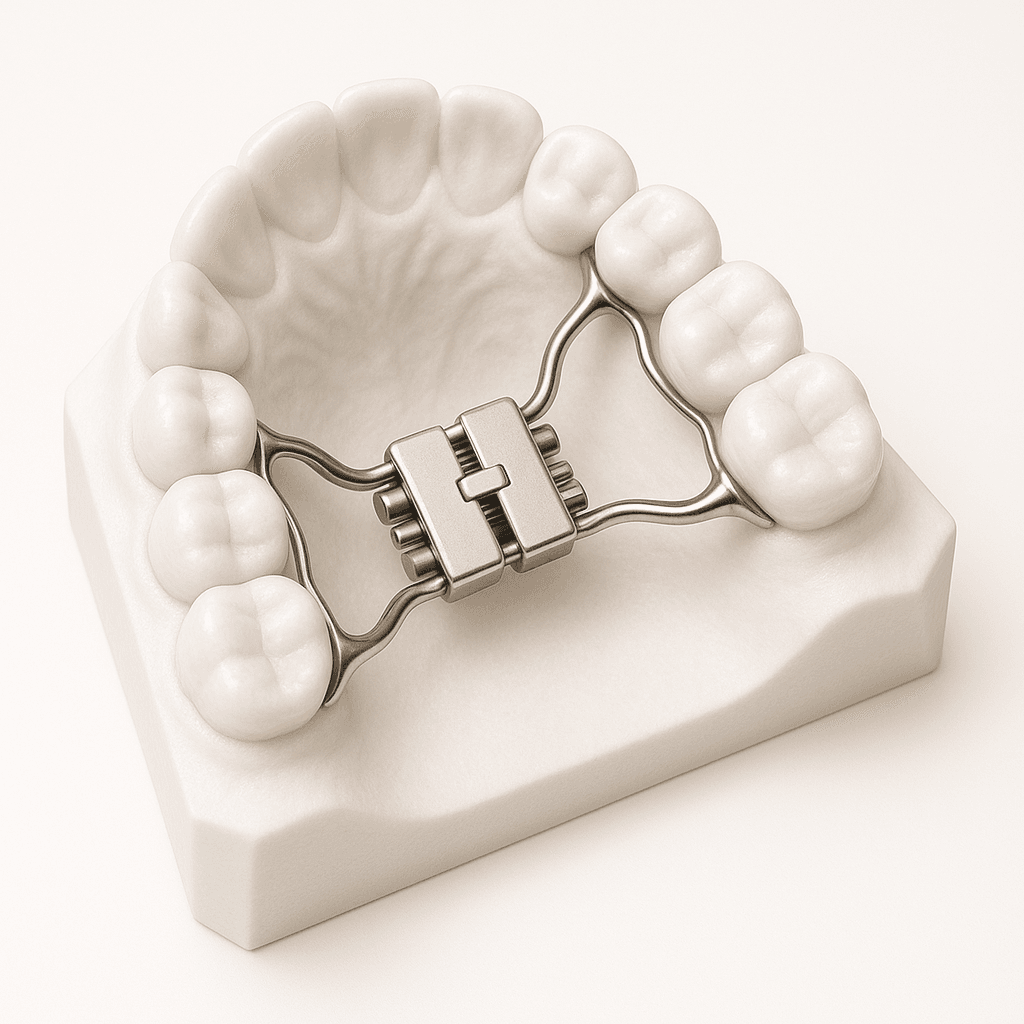
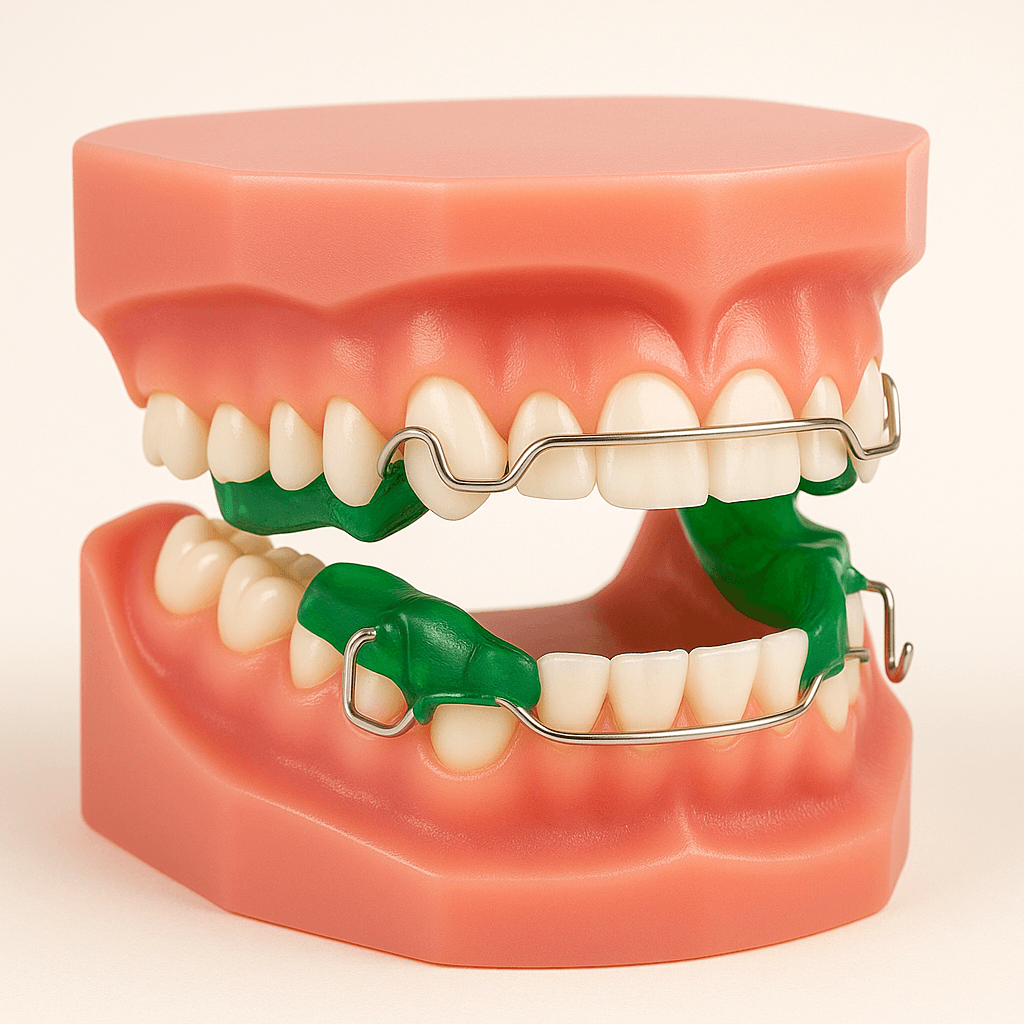
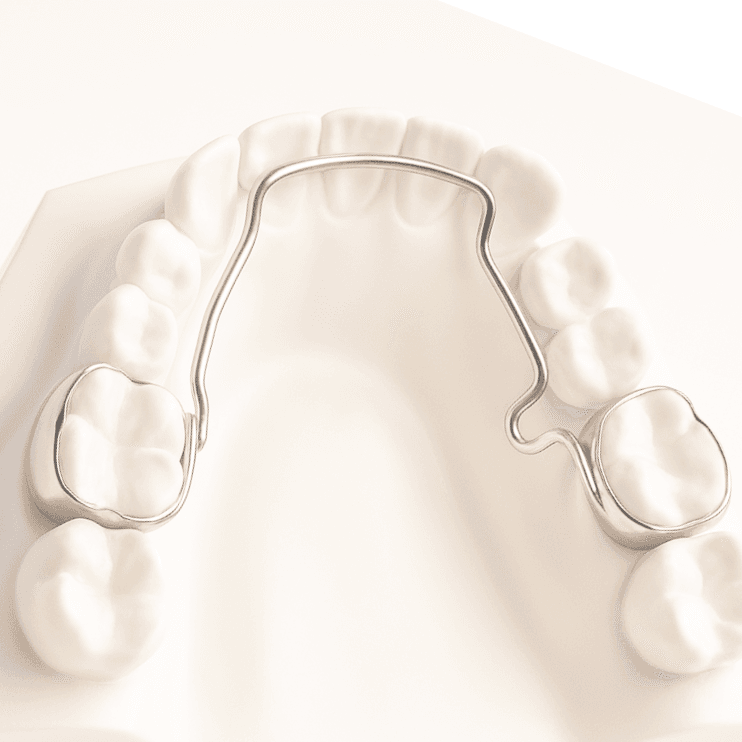
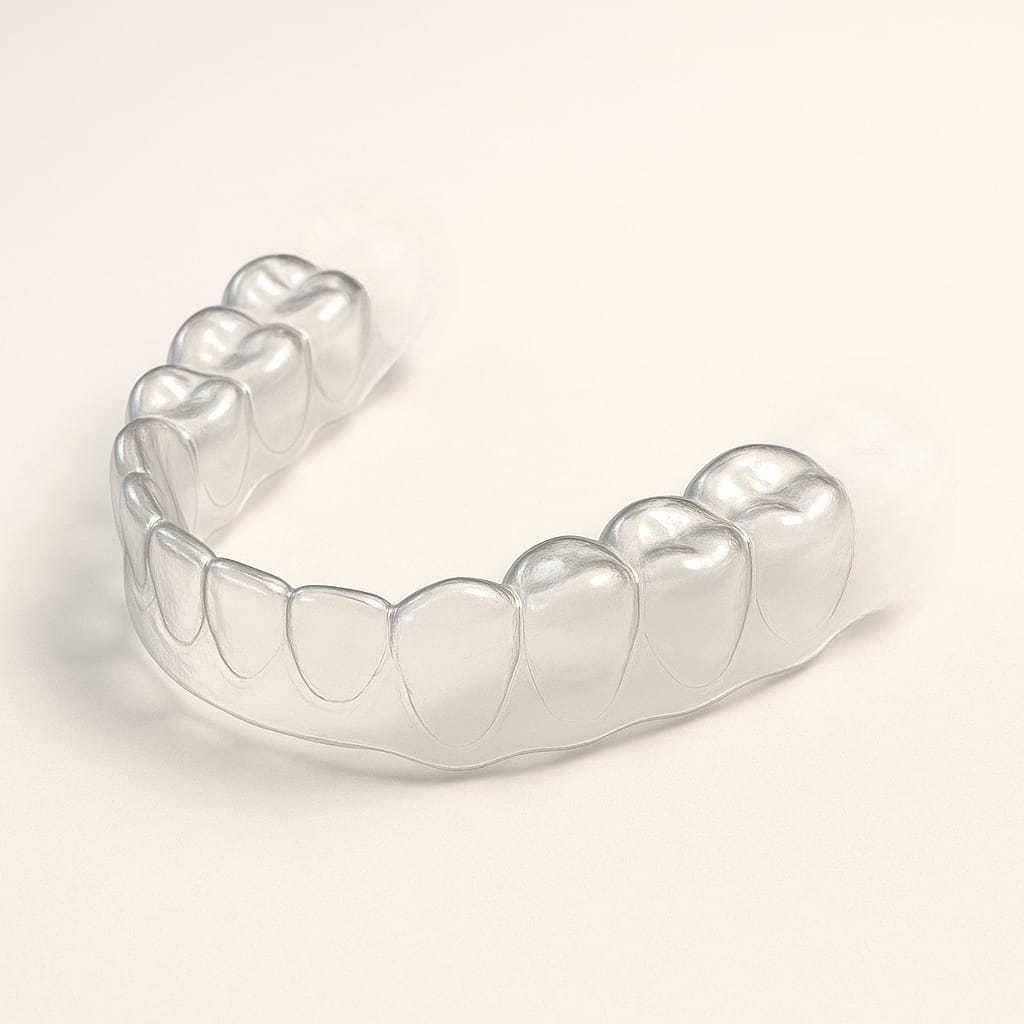
There is no universal appliance hierarchy.
The useful question is:
“What problem is this appliance intended to solve in my child's case?”
Branded treatment categories
For branded treatment categories, detailed claims belong on their dedicated pages:
This page does not assume that either branded option is appropriate for a particular child.
Make the treatment rationale understandable
A useful early-treatment proposal should make the problem, objective and timing understandable.
What specific problem are we treating now?
What is the objective of this phase?
Why are you recommending treatment now rather than monitoring it or treating it later?
What would happen if we observed instead?
How will we judge whether this phase has succeeded?
What other reasonable options should we consider?
Is later comprehensive orthodontic treatment still likely or possible?
These questions do not assume that observation is always reasonable or that every child has multiple equivalent options.
Their purpose is to make the treatment rationale transparent.
Compare the treatment logic, not just the appliance name
Do not compare two pediatric orthodontic plans by appliance name alone.
Two plans that use different appliances may be trying to achieve different things.
Different appliances should also not be assumed to be interchangeable simply because both are described as “early treatment.”
Clarify the scope before you pay
Before paying, clarify the scope of the proposed fee rather than assuming a Phase 1 quote covers the child's entire orthodontic journey.
This is a clarification checklist—not a claim about what Dubai providers usually include.
If a later phase may still be needed, ask explicitly whether it would be priced separately.
Detailed pricing guidance
For detailed orthodontic pricing guidance, see Orthodontics Cost in Dubai .
Understand who is responsible for the clinical decisions
Before starting treatment, understand who is responsible for the important clinical decisions.
Who is responsible for the diagnosis?
Who creates the treatment plan?
Who will oversee treatment and monitoring?
What orthodontic specialty training or credentials does that clinician have? [10]
The purpose is transparency about responsibility and training.
It is not a provider ranking, and LumiQuest does not guarantee that any particular clinician or clinic is suitable for an individual child.
Legal and licensing terminology can vary by jurisdiction, so US-specific professional rules should not be assumed to define UAE legal status.
About LumiQuest
LumiQuest Dental Circle is an independent dental guidance platform.
It may help patients and parents understand options and navigate toward suitable dentists or clinics.
It is not a dental clinic, treatment provider, public provider-ranking directory or paid-ranking marketplace.
This guide is designed to help parents understand pediatric orthodontic assessment, treatment timing and early-treatment recommendations before making decisions about their child's care.
It does not replace an individual orthodontic diagnosis or treatment plan.
References were selected for the specific clinical claims cited in this guide.
Describe your dental concern or goal. We'll review your enquiry and follow up using the contact details you provide.
LumiQuest guidance is currently free for patients; clinic consultation and treatment charges are separate.
We ask for your consent before sharing your identifiable information with a clinic.
Enquiring about dental care for a child? Please have a parent or legal guardian submit the enquiry. We may ask for the child's age during follow-up if it is relevant to understanding the care being sought.
LumiQuest uses necessary cookies and similar technologies for website functionality and security. With your permission, we also use Google Analytics to understand how visitors use our website. You can accept or deny optional analytics cookies, view your preferences, and change your choice later using Manage consent. Read our Privacy Policy for more information.