
Neither Invisalign nor braces is automatically better. The right choice starts with the diagnosis: what tooth movements are needed, how the bite is involved, whether growth or development matters, and what the treatment is intended to achieve.
Once more than one option is clinically reasonable, the practical differences become useful. Invisalign is removable and less visible, but it depends on wearing the aligners as prescribed. Braces stay attached to the teeth, so you do not have to remember aligner wear, but eating and cleaning require more adjustment around the appliance.
Some people can be treated appropriately with either approach. In others, the planned movements or treatment mechanics may make one option more appropriate, or may require additional techniques. Ask the clinician to explain why a particular approach is being recommended and what the realistic alternative would be. [ 1,6]

Choosing between Invisalign and braces should begin with the orthodontic problem, not with a preference for trays or brackets. The clinician needs to define which teeth must move, how the bite should change, whether space must be created or closed, and whether growth, previous dental work or other clinical factors affect the plan.
If both approaches are reasonable for your case, then visibility, removability, eating, cleaning, wear requirements and treatment logistics become useful tie-breakers. If only one approach is recommended, ask what specific movement or treatment objective makes it preferable and whether any alternative is clinically realistic.
A treatment label such as “simple” or “complex” is not enough on its own. The useful question is which approach gives appropriate control for the movements your plan requires.
| Decision point | Invisalign | Braces | What matters most |
|---|---|---|---|
| Fixed or removable | Invisalign Removable clear aligners; taken out for meals and cleaning. | Braces Fixed brackets and wires remain attached during active treatment. | What matters most Whether you can reliably manage a removable appliance or prefer treatment that stays in place. |
| Visibility | Invisalign Low-visibility clear aligners; attachments may still be noticeable. | Braces Front braces are visible; ceramic braces can be less noticeable. Lingual braces are a separate fixed option behind the teeth. | What matters most How much visibility matters to you after clinically suitable options are identified. |
| Wear / cooperation | Invisalign The aligners only work while they are being worn; Invisalign commonly requires about 20–22 hours of daily wear. | Braces Braces stay fixed to your teeth, so you do not have to remember to wear them. Treatment can still depend on good cleaning, attending appointments, and following instructions such as wearing elastics when prescribed. | What matters most Which responsibilities you can follow consistently. |
| Eating | Invisalign Aligners are removed for eating; follow the care instructions before putting them back in. | Braces Hard or sticky foods may need to be modified or avoided to reduce breakage risk. | What matters most Which routine is easier to maintain every day. |
| Cleaning | Invisalign Aligners can be removed for normal brushing and flossing, but teeth and aligners both need cleaning. | Braces Brushing and flossing around brackets and wires takes extra care. | What matters most Your ability to keep teeth, gums and the appliance clean throughout treatment. |
| Breakages / loss | Invisalign Aligners can be lost, damaged or stop fitting as expected. | Braces Brackets or wires can break or irritate soft tissues. | What matters most How problems are handled, how quickly help is available, and whether extra fees can apply. |
| Monitoring | Invisalign Regular clinical monitoring is still required. | Braces Regular clinical monitoring is still required. | What matters most The schedule should follow the treatment plan; neither option should be chosen on an assumption of universally fewer visits. |
| Treatment changes | Invisalign Additional aligners or refinements may be needed if planned movements are not complete or the plan changes. | Braces Wire, bracket, elastic or other treatment mechanics may be changed as treatment progresses. | What matters most How the plan handles changes, extra stages and contingencies. |
| Retention | Invisalign Retainers are needed after active treatment. | Braces Retainers are needed after active treatment. | What matters most The retainer type, wear plan, follow-up and replacement policy. |
| Cost | Invisalign Price depends on the Invisalign plan, how much treatment is needed, and what is included. | Braces Price depends on the type of braces, the treatment needed, and what is included. | What matters most Compare written totals for treatment intended to achieve comparable goals; do not assume one approach is always cheaper. |
Invisalign uses a sequence of removable aligners. Because the aligners move teeth only while they are worn, consistent daily wear is part of the treatment itself. Invisalign advises approximately 20–22 hours of wear per day, but follow the instructions given for your individual plan. [ 8]
Braces remain attached to the teeth throughout active treatment, so you do not have to remember to put them in or wear them for a set number of hours each day. Cooperation still matters: good cleaning, attending review appointments, and using elastics or other prescribed components can all be important parts of treatment.
With Invisalign, the aligners are removed for meals and for cleaning your teeth. That avoids brackets and wires during eating, but it adds a routine of removing, storing, cleaning and replacing the aligners as instructed.
With braces, the appliance stays in place. You may need to change how you eat certain hard or sticky foods to reduce the risk of breaking a bracket or wire, and cleaning around the appliance takes more care than brushing and flossing without braces.
Neither option removes the need for good oral hygiene. The better daily-life fit is the routine you can follow consistently for the full treatment course.
Invisalign aligners are designed to be low-visibility, but they are not literally invisible. Tooth-coloured attachments or other treatment features may be visible at close range.
Conventional braces are visible on the front of the teeth. Ceramic braces can reduce the visual contrast, while lingual braces are a separate fixed option placed behind the teeth and have their own practical considerations.
Both treatments require an adjustment period. Aligners can temporarily affect speech or feel tight; braces can cause pressure and may rub the cheeks or lips. Individual experience varies, so “more comfortable” should not be treated as a universal winner. [ 3,4]
The problems that can interrupt treatment are different. With aligners, a tray can be lost, damaged or stop fitting as expected. With braces, a bracket or wire can break, loosen or irritate the mouth.
Before choosing, ask what you should do if a problem happens between planned visits, whether a replacement or repair can involve a separate fee, and how quickly the treatment team can review a problem that may affect progress.
Both Invisalign and braces require ongoing clinical monitoring. The purpose is not simply to “check the appliance”; it is to see whether the teeth and bite are responding as planned and whether the next stage of treatment should continue as expected or change.
With Invisalign, additional aligners or refinements may be used when further movement is needed. Attachments, elastics, interproximal reduction — creating a small amount of space between selected teeth — or other measures can also form part of an aligner plan. With braces, the clinician may change wires, elastics or other treatment mechanics as treatment progresses. [ 5,9,10]
There is no reliable rule that one option always means fewer appointments. Review frequency depends on the treatment plan, the stage of treatment, how treatment is progressing and any problems that arise. Ask how monitoring will work for the specific option being recommended to you. [ 7]
How will my progress be monitored, and what happens if treatment does not progress exactly as originally planned?
There is substantial overlap in what fixed braces and modern aligner treatment can address, but they are not interchangeable for every person. Some tooth movements or bite corrections may be more practical with one approach, and some aligner plans use additional features such as attachments or elastics to achieve the control needed.
Rather than asking whether Invisalign can treat “complex cases” in general, ask what movements your case requires, what limitations the clinician expects with each option, and what would happen if treatment does not progress as predicted. [ 1,6]
If two clinicians recommend very different approaches, ask both to explain the diagnosis, what the treatment is intended to achieve, the main alternatives and why they recommend that particular approach before comparing convenience or price.
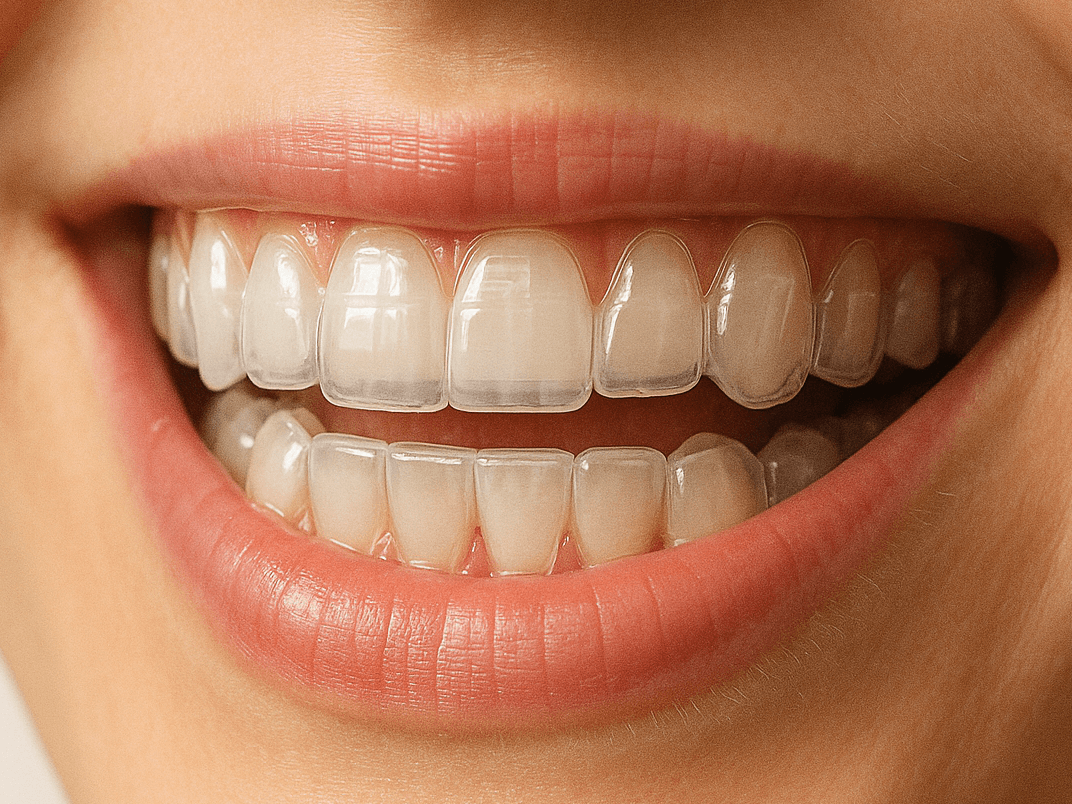
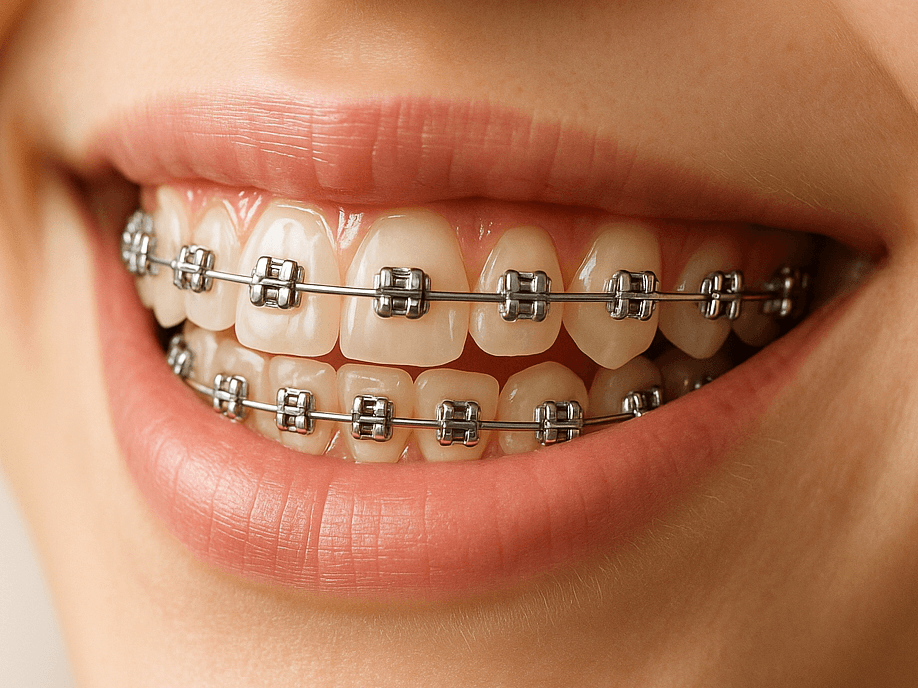
Ask which tooth movements and bite changes are actually needed, and which treatment gives appropriate control for those movements.
There is no reliable rule that Invisalign is always faster or that braces are always faster. A useful comparison needs to be based on the same diagnosis and the same treatment goal.
The expected treatment time can be affected by how much and what type of tooth movement is needed, how your teeth and surrounding tissues respond, aligner wear, prescribed elastics, breakages, missed appointments, changes to the treatment plan and whether extra stages are needed. [ 1,2]
Ask each clinician for the expected timeline for your treatment and what that estimate depends on. If one proposal is much shorter than another, ask why.
Age alone does not decide between Invisalign and braces. The diagnosis, stage of dental development, treatment goals and ability to follow the treatment plan matter more.
For children who are still growing, the timing of treatment and whether growth or tooth eruption should be monitored can be as important as the appliance choice. For teenagers using removable aligners, wearing them reliably is a practical requirement. Fixed braces remove the daily decision to wear the appliance, but still require good cleaning, attending appointments and following any additional instructions.
Adults can also be considered for either approach when it is clinically appropriate. The treatment plan should take account of the health of the teeth, gums and supporting tissues, previous dental work and the tooth movements needed. [ 12,5]
Braces are not always cheaper, and Invisalign does not always cost more. Braces prices can differ depending on the type of braces and the treatment needed. Invisalign prices can differ depending on the treatment package or amount of treatment needed, as well as what is included in the quote.
The most useful comparison is the written total for the treatment actually recommended to you. First make sure the quotes cover comparable treatment, then check what is included: records and imaging, braces or aligners, routine appointments, repairs or replacement aligners, extra aligner stages or other treatment changes, retainers and aftercare.
A starting price, promotion, deposit or monthly installment is not the same as the complete treatment cost. If two quotes are structured differently, make sure they cover comparable treatment and compare the full amount you would pay before deciding which costs less.
The useful question is not simply “Which one is cheaper?” Compare the full amount you would pay for the treatment recommended to you, and make sure the important inclusions are clear in writing.
Active tooth movement is not the end of orthodontic care. Retainers are used after both Invisalign and braces to help maintain the corrected tooth positions. [ 11]
Before starting treatment, ask what retention plan is expected, which retainer type is proposed, whether the first retainers are included in the quote, what follow-up is recommended and what happens if a retainer is lost, damaged or no longer fits properly.
If one clinician recommends Invisalign and another recommends braces, compare what each treatment plan is trying to achieve before focusing on whether it uses Invisalign or braces.
You are not looking for two identical plans. You are trying to understand why each treatment has been recommended, what it is intended to achieve and what the practical trade-offs are.
| Question to compare | Recommendation A | Recommendation B |
|---|---|---|
| What is the diagnosis and treatment objective? | Recommendation A Fill from written plan | Recommendation B Fill from written plan |
| Why is this treatment being recommended? | Recommendation A Fill in | Recommendation B Fill in |
| What tooth movements or bite changes are planned? | Recommendation A Fill in | Recommendation B Fill in |
| What do I need to do for the treatment to work as planned? | Recommendation A Fill in | Recommendation B Fill in |
| How often is monitoring expected? | Recommendation A Fill in | Recommendation B Fill in |
| What happens if refinements, repairs or treatment changes are needed? | Recommendation A Fill in | Recommendation B Fill in |
| What is included in the total quote? | Recommendation A Fill in | Recommendation B Fill in |
| What is the plan for retainers after treatment? | Recommendation A Fill in | Recommendation B Fill in |
| What are the main limitations or realistic alternatives? | Recommendation A Fill in | Recommendation B Fill in |
If the recommendations are very different, ask each clinician to explain why. The goal is not to make the two plans look identical; it is to understand what each plan is trying to achieve and what trade-offs come with it.
Not automatically. Some people have more than one clinically reasonable option, while others have a reason to favour one approach. Start with the diagnosis and treatment goals, then compare removability, visibility, wear requirements, cleaning, monitoring and cost.
Invisalign can treat many orthodontic problems, sometimes with attachments, elastics or other treatment measures. But the word “complex” does not tell you whether Invisalign or braces is the better option. What matters is which tooth movements and bite corrections are needed, and which approach gives better control for those movements.
Neither is universally faster. Compare the proposed timelines for the same diagnosis and treatment objective, and ask what assumptions each timeline depends on.
Many patients find clear aligners easier to tolerate than fixed braces, particularly during the early stages of treatment. Aligners can still feel tight or cause irritation, while braces can cause soreness and may rub the cheeks or lips. Comfort varies from person to person, so Invisalign is not guaranteed to feel more comfortable for everyone.
Aligners can be removed for brushing and flossing, while braces require cleaning around brackets and wires. Aligners also need their own cleaning and must be managed carefully around meals and drinks. The better option is the routine you can maintain consistently.
There is no safe single answer for every case. Braces prices depend on the type of braces, the treatment needed and what is included; Invisalign prices depend on the package or amount of treatment needed and what is included. Use the dedicated braces cost guide and Invisalign cost guide , then compare your written total for the treatment actually recommended.
Yes. Retention is part of orthodontic treatment after active tooth movement with either braces or Invisalign. The retainer type, wear instructions and follow-up plan should be tailored to you.
This is a selective clinical evidence layer, not a systematic review. The sources below support the numbered markers in the body. Comparative manufacturer claims were excluded; manufacturer material is used only for the Invisalign-specific wear instruction and Additional Aligners/product terminology. Evidence verification completed 27 August 2026.
LumiQuest is an independent dental guidance platform, not a clinic, public directory or paid-ranking marketplace. This comparison is designed to help you understand the decision points before discussing your individual treatment plan with a clinician.
Who prepared and reviewed this comparison, and when the clinical evidence was checked.
Just a couple of minutes — no pressure, no cost, and fully private
One of our advisors will review your request and guide you to a suitable dentist or clinic, usually within 12 hours.