
Ceramic Braces in Dubai: How They Differ and Who They May Suit

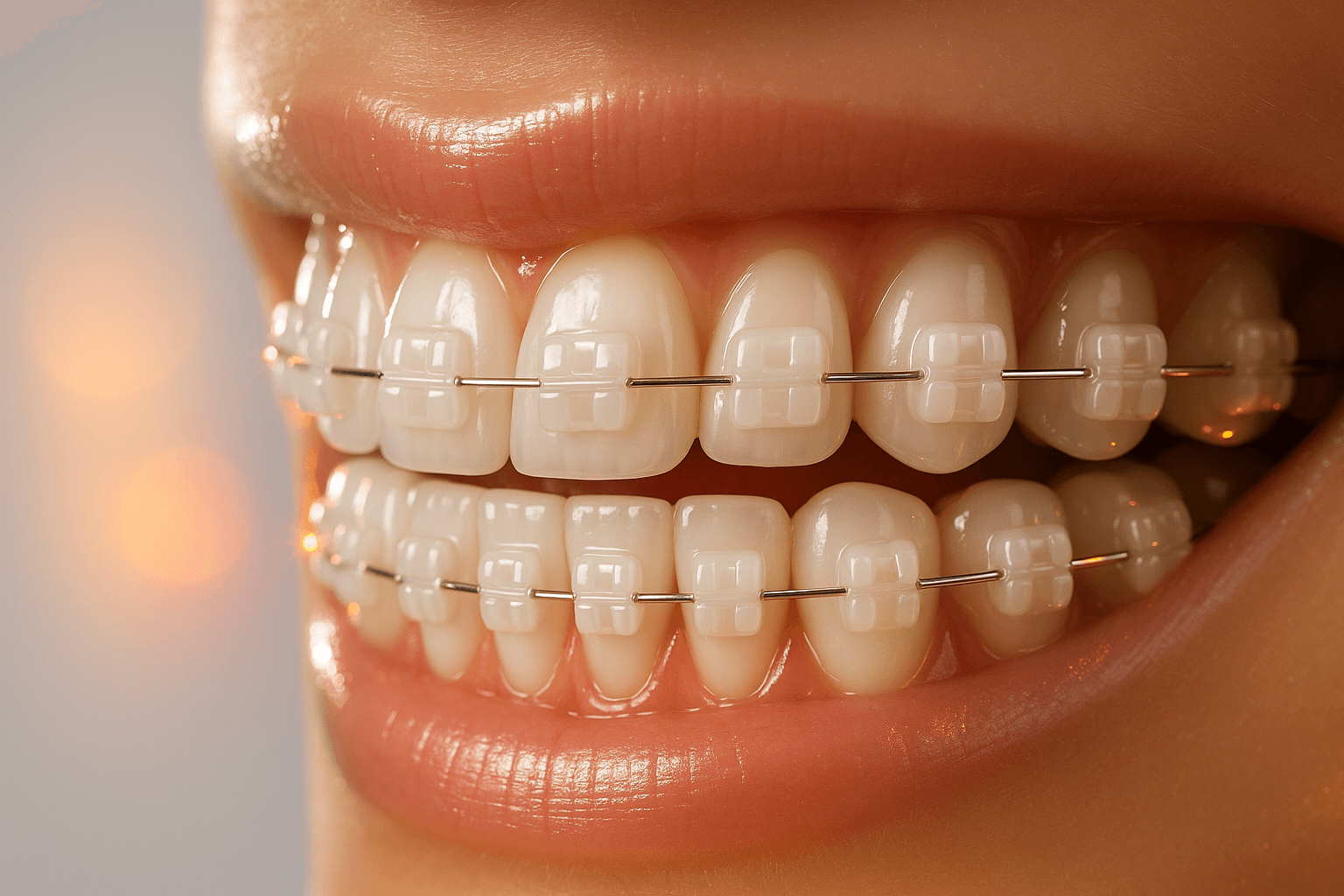
Ceramic braces are fixed braces that use clear or tooth-coloured ceramic brackets on the outer surfaces of the teeth. They are generally less visually prominent than conventional metal brackets, but they are still visible. [1]

Ceramic describes the bracket material, not the way the wire is held in place. A ceramic bracket may be used in different fixed-brace designs, so suitability should start with your diagnosis, the tooth movements and bite changes required, and your treatment goals rather than appearance alone. [1,2,12,13]

For broader fixed-brace guidance, see Braces in Dubai. For detailed current price evidence and quote guidance, see Braces Cost in Dubai.

LumiQuest Dental Circle is an independent dental guidance platform, not a dental clinic, public ranking or paid-placement marketplace.

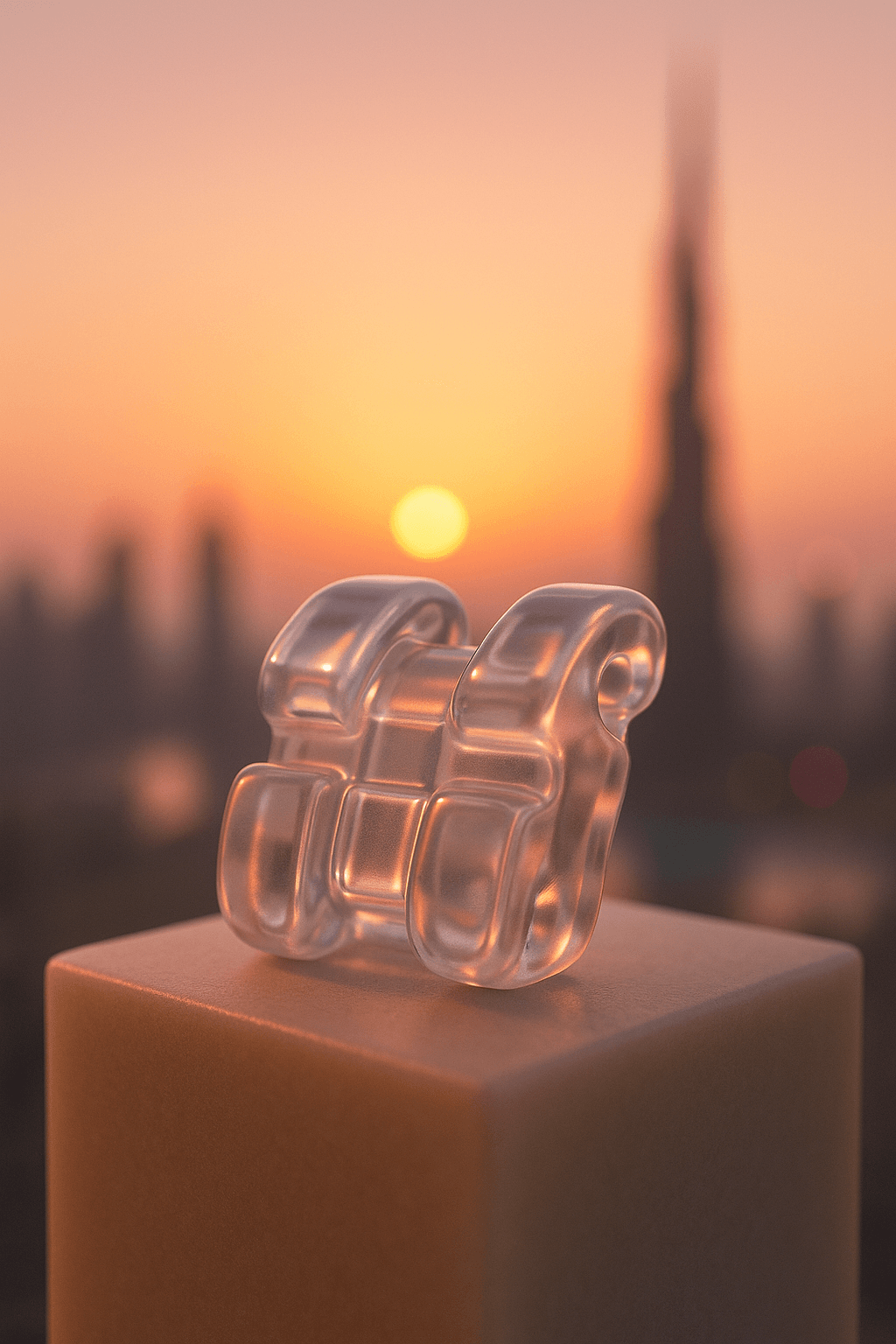
Artistic rendering of a clear ceramic orthodontic bracket with a Dubai skyline in the background

What Are Ceramic Braces?

Ceramic braces are a type of fixed orthodontic appliance. The brackets stay attached to the teeth during active treatment and are connected by an archwire. Their defining feature is the bracket material: ceramic brackets are made to look clear or tooth-coloured rather than metallic.

Ceramic describes the bracket material

Ceramic does not tell you how the wire is secured to the bracket. Some ceramic brackets use separate ties, while others use a self-ligating mechanism. In other words, ceramic describes material; self-ligating describes a bracket mechanism. [1,2]

If you want to understand a named self-ligating system, see the Damon braces guide. The two categories should not be treated as synonyms.

Bracket, wire and tie are different components

The bracket, archwire and any elastomeric or metal ties are separate parts of the appliance. That matters because their materials and colours can affect how the braces look and how different parts of the appliance age over time. [1,2]

Ceramic Braces vs Metal Braces: What Actually Differs?

The most obvious difference is the bracket material and appearance. Conventional metal brackets are metallic; ceramic brackets are clear or tooth-coloured and can be less visually prominent. Ceramic is also more brittle than metal as a material, but that does not mean every ceramic bracket will fail more often in treatment. [1,3,5,6,7]

Appearance and bracket material

If a lower-visibility fixed appliance matters to you, ceramic brackets may be worth discussing. The exact look still depends on the bracket, wire and ties being used, so ask what the complete appliance will look like rather than judging the bracket alone.

For deeper information about conventional metal brackets, see the metal braces guide.

What the material does not automatically tell you

The fact that a bracket is ceramic does not, by itself, tell you that treatment will be faster, slower, more comfortable or less comfortable. It also does not establish that every ceramic system will behave the same way. Bracket design and the wider treatment plan matter. [2,3,4]

Appearance in everyday life

How Noticeable Are Ceramic Braces?

Clear or tooth-coloured brackets can make fixed braces less visually prominent than conventional metal brackets. They are not invisible, and the archwire and any ties can still be noticeable.

Brackets Clear or tooth-coloured
Archwire Still part of the appliance
Ties, when used Can affect overall appearance

Clear or tooth-coloured brackets, but not invisible

A useful expectation is lower visibility, not invisibility. How noticeable the appliance looks will vary with the bracket shade or translucency, the wire, the ties and your teeth. [1]

Why the wire and ties can still affect appearance

Even when the bracket blends with the tooth, the wire remains part of the appliance. If elastomeric ties are used, their colour can also affect the overall appearance. Ask which components will be used if aesthetics are important to you. [1,2]

What can actually change colour

Do Ceramic Braces Stain or Discolour?

It is too simple to say either that “ceramic braces stain” or that they “do not stain.” Different parts of the appliance can change appearance differently. The ceramic bracket, the adhesive or resin around it, and any elastomeric ties are separate materials. [8,9]

Ceramic bracket One visible component
Adhesive / resin A separate material
Elastomeric ties Another separate material

Bracket vs adhesive/resin vs elastomeric ties

Discolouration may involve one component more than another, and this can vary with the materials used. If appearance is a major reason you are considering ceramic braces, ask what bracket, adhesive and tie system is planned and which parts may change colour over time. [8,9]

Practical care without promising stain-proof treatment

Keep the appliance and the tooth surfaces around it clean, and follow the care instructions given for your braces. If a tie or another visible component changes colour, ask the treating team whether it can be replaced at a routine visit. Good care can help maintain appearance, but no fixed appliance should be described as stain-proof.

Material strength vs clinical failure

Are Ceramic Braces More Fragile Than Metal Braces?

Ceramic is more brittle than metal as a material. That is a real material difference, but it should not be converted into a blanket claim that ceramic brackets always break or fail more often in clinical use. [1,3,5,6,7]

Illustration representing the brittle material properties of a ceramic orthodontic bracket
Ceramic is more brittle than metal as a material.
Material property Ceramic is more brittle than metal
Clinical question Actual bracket problems depend on the treatment context

Material brittleness vs actual bracket failure

Actual bracket problems can depend on the bracket design, where it is positioned, the way the bite contacts it and how the appliance is managed during treatment. The relevant question is how the proposed ceramic system performs in your treatment plan, not whether all ceramic brackets behave identically. [1,3,5,6,7,12,13]

What extra care may mean in practice

Because fixed brackets and wires can be damaged, you may need to change how you bite or chew certain hard or sticky foods and follow the appliance-care instructions you are given. If a bracket becomes loose or fractures, contact the treating team rather than trying to repair it yourself.

Friction and treatment speed

Does Ceramic-Bracket Friction Make Treatment Slower?

Not necessarily. Friction can differ between bracket designs and can be affected by the slot, archwire, surface or coating and the way the wire is ligated. A laboratory friction measurement is not the same thing as total treatment duration. [2,3,4]

Bracket Design and slot can matter
Archwire Wire and surface can matter
Ligation How the wire is held can matter

Why friction varies between systems

There is no single friction value that represents every ceramic bracket. Different bracket and wire combinations can behave differently, so one laboratory result should not be applied to the whole ceramic category. [2,3,4]

Why laboratory friction does not equal total treatment time

Treatment time depends on the diagnosis, the movements required, the wider mechanics of the plan and how treatment progresses. Ceramic should therefore not be described as universally faster, slower or the same speed as metal simply from a friction result. [2,3,4]

Suitability starts with diagnosis

Who May Be Suitable for Ceramic Braces?

Ceramic braces may be considered when a fixed appliance is appropriate and a less visually prominent front-surface bracket is a practical priority. The decision should still start with diagnosis, treatment goals, the movements required, the bite, oral health and where the brackets would need to be positioned. [1,12,13]

Diagnosis Start with the treatment problem
Bite Opposing-tooth contact can matter
Treatment plan Position and movements matter

Start with diagnosis, tooth movement and treatment goals

Age or a simple label such as “mild” or “complex” should not decide the appliance by itself. Ask why ceramic brackets are appropriate for the movements planned in your case and what realistic alternatives were considered.

Bite and opposing-tooth contact can matter

Ceramic is a hard material, so the clinician should consider situations where a ceramic bracket could contact an opposing tooth. Bracket position, bite and material choice may influence where ceramic is appropriate. This is a case-specific planning issue, not a blanket rule that ceramic can never be used on lower teeth or in a particular bite pattern. [1,12,13]

Treatment process

What Does Ceramic-Braces Treatment Usually Involve?

The broad treatment journey is the same kind of fixed-brace process described in LumiQuest's braces guide. This page focuses only on the ceramic-specific decisions.

Planning Diagnosis and intended movements first
Fitting Brackets bonded and connected by an archwire
Monitoring Progress checked and the appliance adjusted as required

Planning and fitting

Treatment planning should establish the diagnosis and intended tooth movements before the bracket material is chosen. Once the plan is agreed, the brackets are bonded to the teeth and connected by an archwire. [2]

Monitoring and appliance care

Fixed braces need ongoing monitoring so the clinician can assess progress and adjust the appliance as the plan requires. The schedule should follow the treatment stage and clinical need rather than a universal ceramic-braces interval. [2]

For the broader fixed-braces treatment journey, see Braces in Dubai.

Day-to-day care

Living With Ceramic Braces

Ceramic brackets are still fixed braces, so the main day-to-day responsibilities are appliance protection and careful cleaning.

Eating and appliance protection

Hard or sticky foods can damage fixed brackets and wires, so you may need to modify how you eat some foods. Follow the instructions for your particular appliance rather than relying on a universal food list. [2,14]

Cleaning around fixed brackets

Cleaning around brackets and wires requires additional care. Ceramic should not be described as inherently cleaner or dirtier than metal simply because of the bracket material. The important point is keeping plaque away from the teeth and gums around any fixed appliance. [2,14]

End of active treatment

Removing Ceramic Braces: What Should You Know?

Removing ceramic brackets is a controlled clinical stage. The bracket design, adhesive and removal technique can affect how debonding is carried out. Bracket fracture and enamel effects are recognized considerations, but enamel damage is not inevitable. [10,11]

Debonding is a controlled clinical stage

When active treatment is complete, the brackets and remaining adhesive are removed from the teeth. Ceramic-specific removal considerations are one reason this step should be carried out with the appropriate clinical technique rather than treated as a simple mechanical peel-off.

Bracket, adhesive and technique matter

Different ceramic bracket and adhesive systems can behave differently during removal. If this is a concern for you, ask how the proposed system is designed to be removed and how the enamel surface will be checked afterwards. [10,11]

Fixed vs removable

Ceramic Braces vs Clear Aligners

Ceramic braces and clear aligners are both lower-visibility orthodontic options, but they are different treatment formats. Ceramic braces are fixed to the teeth; clear aligners are removable.

Ceramic braces Fixed to the teeth

Brackets and wires remain attached during active treatment.

Clear aligners Removable trays

Aligners can be removed and belong to a different treatment format from fixed braces.

Fixed ceramic brackets vs removable aligners

That fixed-versus-removable difference changes day-to-day responsibilities and how treatment is delivered. For clear-aligner treatment depth, see the clear aligners guide. This ceramic-braces page does not use the broad term “clear braces” as if it referred only to ceramic brackets.

Treatment timing

How Long Does Treatment With Ceramic Braces Take?

There is no universal ceramic-braces treatment time. Duration depends on the diagnosis, treatment goals, movements required, the broader mechanics of the plan and how treatment progresses. Ceramic should not be presented as inherently faster, slower or the same speed as metal. [2,3,4]

Treatment length starts with the diagnosis and the tooth movements required.

The wider mechanics of the treatment plan matter more than the ceramic bracket material alone.

How treatment progresses over time also affects the eventual duration.

For broader treatment-process guidance, see the fixed-braces treatment guide.

Cost and quote scope

What Do Ceramic Braces Cost in Dubai?

This page does not maintain a separate ceramic-braces AED range. A useful quote should make clear which bracket system and material are proposed, whether one or both arches are being treated, the treatment scope, and what monitoring, repairs, removal, retention and other relevant items are included.

Compare the scope, not just the number A useful ceramic-braces quote should identify:

Which bracket system and material are proposed.

Whether one or both arches are being treated.

The treatment scope.

What monitoring, repairs, removal, retention and other relevant items are included.

What to Ask Before Choosing Ceramic Braces

These questions can help you understand whether the proposed ceramic system fits your treatment plan:

Why are ceramic brackets appropriate for my treatment plan?

Which exact ceramic bracket system are you proposing?

Is the system conventionally ligated or self-ligating?

Will the wire or ties affect how noticeable the appliance looks?

Are there any bite or opposing-tooth contact reasons ceramic may not be ideal in some positions?

How should I clean and protect the appliance?

What should I do if a bracket fractures or comes loose?

How will the ceramic brackets be removed at the end of treatment?

What realistic alternatives should I compare?

What exactly is included in the written quote?

These are treatment-planning questions, not a provider-ranking framework.

After active treatment

Retainers After Ceramic Braces

Retention follows active orthodontic treatment. The retainer type, wear instructions and follow-up plan should be individualized; ceramic brackets do not require a special retention protocol simply because the brackets were ceramic. [15]

Retention is based on the orthodontic result, not the ceramic bracket material.

The retainer type, wear instructions and follow-up plan should be individualized after active treatment.

Common questions

Ceramic Braces FAQs

Are ceramic braces less noticeable than metal braces?

Generally, yes: clear or tooth-coloured ceramic brackets are usually less visually prominent than conventional metal brackets. They are still visible, and the wire and ties can affect the overall appearance.

Do ceramic braces stain?

It depends on which part of the appliance you mean. The ceramic bracket, adhesive or resin and elastomeric ties are different materials and can change appearance differently. Blanket “stains” or “does not stain” claims are too broad.

Are ceramic braces more fragile than metal braces?

Ceramic is more brittle than metal as a material, but that does not mean every ceramic bracket will fail more often in treatment. Bracket design, position, bite contact and appliance care can matter.

Are ceramic braces slower than metal braces?

There is no universal ceramic-versus-metal speed rule. Treatment time should be estimated from your diagnosis and treatment plan, not from the bracket material alone.

Are ceramic braces suitable for adults?

Adults may be considered for ceramic braces when a fixed appliance is appropriate, but age alone does not determine suitability. The diagnosis, treatment goals, bite, oral health and bracket position matter.

Are ceramic braces the same as clear aligners?

No. Ceramic braces are fixed brackets and wires; clear aligners are removable. If your main question is fixed versus removable treatment, compare the treatment formats rather than treating both as the same type of “clear braces.”

How much do ceramic braces cost in Dubai?

This page does not publish a separate ceramic-braces range. Use LumiQuest's braces cost guide for current ceramic-braces pricing evidence and quote-inclusion guidance.

About This Guide

LumiQuest Dental Circle is an independent dental guidance platform, not a dental clinic, public ranking or paid-placement marketplace. This guide is designed to help you understand ceramic braces, their specific trade-offs and the questions to discuss before making a treatment decision.

Written by LumiQuest Editorial Team
Clinical review by Dr. Joe Feghali — Orthodontist and Founder, LumiQuest Dental Circle
Clinical review date 10 September 2026

References

Clinical claims in this guide were selectively evidence-checked against relevant professional guidance and research.

  1. 1
    American Association of Orthodontists. What Are Ceramic Braces? 8 September 2026. American Association of Orthodontists .
  2. 2
    American Association of Orthodontists. How Do Braces Work? Current professional/patient guidance; controlled source state checked 9 September 2026. American Association of Orthodontists .
  3. 3
    Karamouzos A, Athanasiou AE, Papadopoulos MA. Clinical characteristics and properties of ceramic brackets: A comprehensive review. American Journal of Orthodontics and Dentofacial Orthopedics. 1997;112:34–40. DOI: 10.1016/S0889-5406(97)70271-3 . PMID: 9228839.
  4. 4
    AlSubaie M, Talic N, Khawatmi S, Alobeid A, Bourauel C, El-Bialy T. Study of force loss due to friction comparing two ceramic brackets during sliding tooth movement. Journal of Orofacial Orthopedics. 2016;77:334–340. DOI: 10.1007/s00056-016-0038-0 .
  5. 5
    Scribante A, Pascadopoli M, Gandini P, Mangia R, Spina C, Sfondrini MF. Metallic vs Ceramic Bracket Failures After 12 Months of Treatment: A Prospective Clinical Trial. International Dental Journal. 2024;74:1371–1377. DOI: 10.1016/j.identj.2024.04.023 . PMID: 38744578.
  6. 6
    Ogiński T, Kawala B, Mikulewicz M, Antoszewska-Smith J. A Clinical Comparison of Failure Rates of Metallic and Ceramic Brackets: A Twelve-Month Study. BioMed Research International. 2020:9725101. DOI: 10.1155/2020/9725101 . PMID: 32382584.
  7. 7
    Daraqel B, Yingying T, Zheng L. Flash-free and conventional adhesive ceramic brackets in patients undergoing orthodontic treatment: A systematic review and meta-analysis. Orthodontics & Craniofacial Research. 2023;26:1–12. DOI: 10.1111/ocr.12585 . PMID: 35506474.
  8. 8
    Šimunović L, Blagec T, Vrankić A, Meštrović S. Color Stability of Orthodontic Ceramic Brackets and Adhesives in Potentially Staining Beverages—In Vitro Study. Dentistry Journal. 2022;10:115. DOI: 10.3390/dj10070115 .
  9. 9
    Mazhari M, Yaghoubi Ashrafi M, Gholamian S, Moradinejad M. Color Stability of Orthodontic Elastomeric Ligatures in the Oral Environment: A Clinical Trial. 2025. DOI: 10.18502/fid.v22i3.17542 . PMID: 40390824.
  10. 10
    Gibas-Stanek M, Pełka P, Pihut M. What is the safest method of orthodontic debonding — a systematic review of the literature. Folia Medica Cracoviensia. 2023;63:133–156. DOI: 10.24425/fmc.2023.147219 . PMID: 38310534.
  11. 11
    Inchingolo F et al. Structural and Color Alterations of Teeth following Orthodontic Debonding: A Systematic Review. Journal of Functional Biomaterials. 2024;15:123. DOI: 10.3390/jfb15050123 .
  12. 12
    Viazis AD, DeLong R, Bevis RR, Rudney JD, Pintado MR. Enamel abrasion from ceramic orthodontic brackets under an artificial oral environment. American Journal of Orthodontics and Dentofacial Orthopedics. 1990;98:103–109. DOI: 10.1016/0889-5406(90)70003-U . PMID: 2378315.
  13. 13
    Ghafari J. Problems associated with ceramic brackets suggest limiting use to selected teeth. Angle Orthodontist. 1992;62:145–152. DOI: 10.1043/0003-3219(1992)062<0145:PAWCBS>2.0.CO;2. PMID: 1626749 .
  14. 14
    British Orthodontic Society. Risks of Orthodontic Treatment — Guidance on Informing Patients. Controlled official BOS guidance; updated/reviewed by the BOS Clinical Governance Directorate in 2023; current controlled source state verified for the ceramic evidence layer. British Orthodontic Society .
  15. 15
    Al-Moghrabi D, Littlewood SJ, Fleming PS. Orthodontic retention protocols: an evidence-based overview. British Dental Journal. 2021;230:770–776. DOI: 10.1038/s41415-021-2954-7 .
References were selected for the specific clinical claims cited in this guide.

Get Clear Guidance to the Right Dentist

Just a couple of minutes — no pressure, no cost, and fully private
One of our advisors will review your request and guide you to a suitable dentist or clinic, usually within 12 hours.

Type your country (e.g., “United Arab Emirates”) or its code (e.g., “+971”), then your number without the area code. WhatsApp only.
Please enter a valid phone number.
Advanced Options (optional)
JPG, JPEG, PNG, PDF, HEIC, WEBP (max 10MB each)