
Fixed braces
Like conventional fixed braces, Damon brackets stay attached to the teeth during active treatment.
Damon is one named system within the broader category of self-ligating fixed braces. Its brackets use a built-in mechanism to hold the wire. [1,2,3]
The self-ligating mechanism does not by itself establish faster total treatment, less pain, fewer appointments or better outcomes. [5,6,7]
Whether Damon is a good option for you should start with what needs to be corrected, your treatment goals and how your teeth need to move — not simply with the bracket brand. [2,3]
See our guide to braces in Dubai for an overview of the main fixed-brace types.
LumiQuest Dental Circle is an independent dental guidance platform. We do not provide orthodontic treatment, publish public clinic rankings or sell paid placement on this guide.
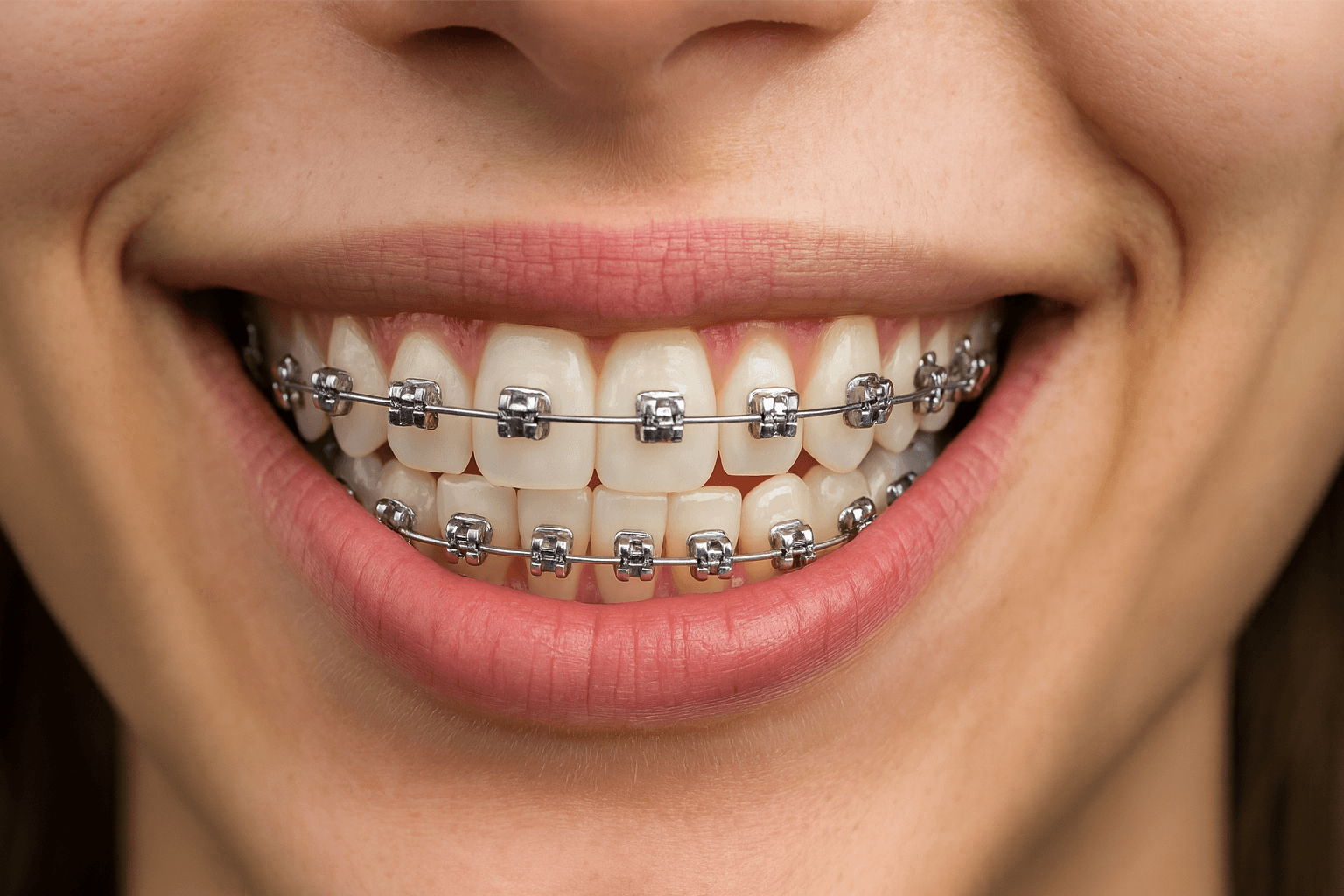
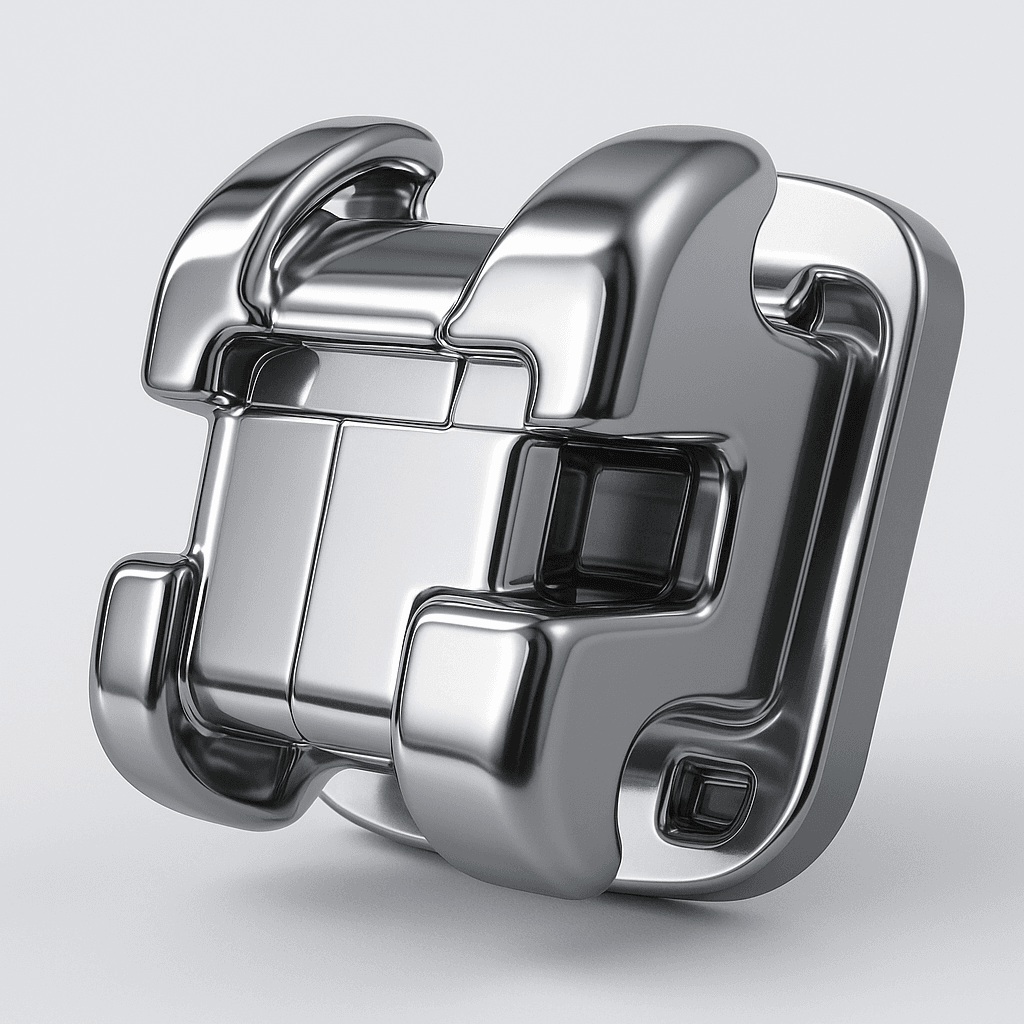
Damon is the system name. Self-ligating braces are the wider bracket category.
Damon braces are fixed braces: the brackets stay attached to your teeth during active treatment and are connected by a wire. Damon is one named system within the wider group of self-ligating braces. [1,2,3]
Like conventional fixed braces, Damon brackets stay attached to the teeth during active treatment.
Each bracket uses its own clip or door to hold the wire.
Not every self-ligating brace is Damon.
“Self-ligating” describes the type of bracket. Damon is one named system within that wider group.
If a provider recommends self-ligating braces, ask which system they mean and why they are recommending it for your treatment.
A self-ligating bracket uses a built-in clip or door to hold the wire. Conventional brackets commonly use separate elastic or metal ties, also called ligatures. [1,2,3]
That explains how the wire is held at the bracket. By itself, it does not tell you how quickly treatment will finish or how treatment will feel.
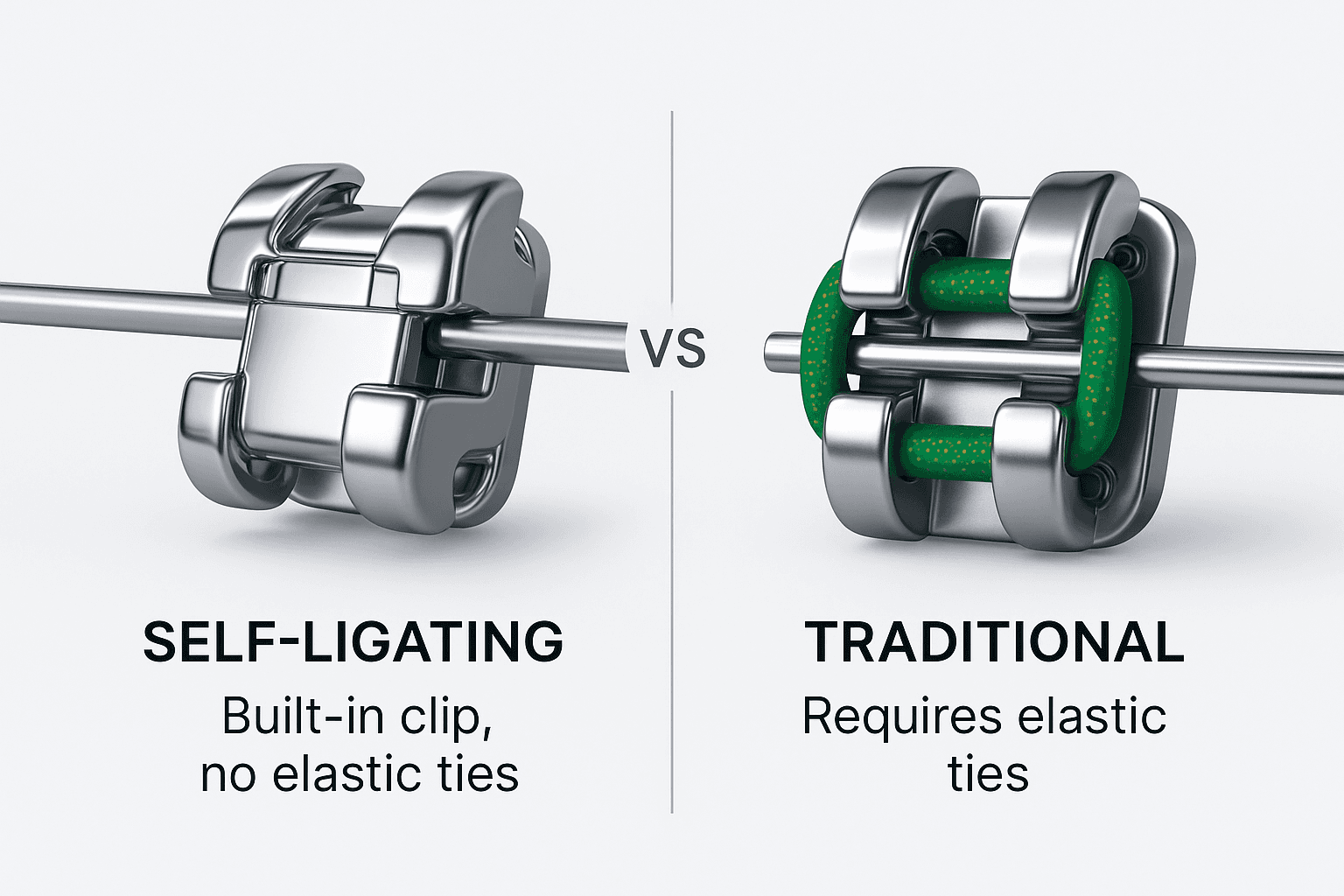
Damon is a specific self-ligating system. The main bracket difference is how the wire is held.
Damon has a real difference in how the bracket holds the wire. The important question is whether that difference reliably changes things patients care about, such as treatment time, pain, appointment frequency or the final result.
As explained above, a self-ligating bracket uses its own built-in clip or door to hold the wire instead of using separate ties in the same way as conventional brackets.
In some situations, this can reduce the friction created by those ties. You may see this described as ligation-related friction.
That is a real mechanical difference, but friction at the bracket is only one small part of how teeth move during orthodontic treatment. Lower friction in one part of the brace does not automatically mean the whole treatment will be faster.
The self-ligating mechanism does not by itself establish faster total treatment, less pain, fewer appointments or better outcomes. [5,6,7]
In simple terms, Damon can work differently at the bracket without being better overall in every case.
If Damon is being recommended because of a particular promised advantage, ask how that advantage applies to your own treatment plan rather than assuming it comes automatically from the bracket design.
Total treatment time depends on what needs to be corrected and how the treatment progresses.
Pain and comfort vary from person to person and can also change at different stages of treatment.
Follow-up visits should be planned around what your treatment needs at each stage.
The final result depends on the treatment plan, how it is carried out and your individual case.
Damon has a real bracket difference, but the bracket alone should not be the reason you expect faster, easier or more successful treatment. The useful question is whether it makes sense for your individual treatment plan.
Damon can be an option for some people who need fixed braces, but the starting point should be what needs to be corrected and how the teeth need to move — not the bracket brand.
Your orthodontist should first work out what needs to be corrected, how your bite is affected, which teeth need to move and what the treatment is trying to achieve. [2,3]
Damon may be one way to carry out that plan, but the bracket choice should come after the treatment needs are understood.
Damon will not be the right choice for every case. Another fixed-brace system, clear aligners or a different treatment approach may sometimes make more sense depending on what needs to be corrected and how the treatment is planned. [2,3]
The important point is that the treatment choice should make sense for your case even before the brand name is discussed.
Damon should be chosen because it fits the treatment you need, not because it is assumed to be the best bracket for everyone.
Damon may be offered with metal brackets or with a clear option called Damon Clear2. Damon Clear2 is designed to be less noticeable than metal, but it is still a visible fixed brace. [4,2,3]
A fixed-brace option with visible metal brackets on the front of the teeth.
A clear fixed-brace option that sits on the front of the teeth and is designed to be less noticeable than metal.
Damon Clear2 uses clear brackets on the front of the teeth. They may be less noticeable than metal brackets, but they are not invisible. [4,2,3]
If appearance matters to you, that is a reasonable part of the decision. It should be considered alongside what your treatment actually needs rather than treated as proof that the clear bracket is better overall.
If your main question is how clear or tooth-coloured fixed braces compare more broadly, use the dedicated ceramic-braces guide.
Damon Metal is more visible. Damon Clear2 is designed to be less noticeable from the front. The right choice still depends on your treatment plan and preferences.
Damon treatment still follows the usual steps of fixed-brace care: assessment, planning, fitting the braces and checking progress over time.
Your orthodontist works out what needs to be corrected and how the teeth need to move.
The brackets are attached to the teeth and connected with a wire.
Your treating team checks how treatment is progressing and makes changes when needed.
Planning should start with the diagnosis, treatment goals and the tooth movements needed.
The decision to use Damon should fit that plan rather than determine the plan by itself.
Once the braces are fitted, regular follow-up remains part of treatment. Your treating team checks progress and changes the wire or other parts of the braces when needed.
There is no single Damon appointment interval that applies to everyone. The timing of follow-up visits should depend on what your treatment needs at that stage. [8,2]
Checking how the teeth are moving
Changing or adjusting the wire when needed
Checking the brackets and braces
Changing the plan if treatment is not progressing as expected
If a bracket becomes loose, a wire is causing significant irritation, or pain or irritation is severe or does not settle, contact your treating team for advice. [8,2]
Avoid trying to repair the braces yourself unless your treating team has specifically told you what to do.
Damon treatment still needs careful planning, regular follow-up and changes based on how your treatment is progressing.
Damon braces are still fixed braces, so the day-to-day basics are similar to other fixed-brace systems: protect the brackets and wires, keep everything clean and know when to ask for help.
Some hard or sticky foods may need extra care so the brackets and wires are not damaged.
Fixed brackets and wires need careful brushing and cleaning around them.
Some discomfort can happen during fixed-brace treatment. Get advice if it is severe or does not settle.
Because brackets and wires can be damaged, you may need to change how you eat some hard or sticky foods. [2,3]
Follow the advice given for your own braces rather than relying on one fixed food list for everyone.
Fixed brackets and wires take extra care to clean. Ask your treating team to show you how they want you to brush and clean around the braces and between the teeth. [2,3]
Self-ligating brackets do not remove the usual cleaning needed with fixed braces.
Do not assume Damon will automatically feel less painful or more comfortable just because the brackets are self-ligating. [5,6,7,8]
Some soreness or irritation can happen while you are getting used to fixed braces. If pain or irritation is severe, does not settle, or a loose bracket or wire is causing the problem, contact your treating team.
Damon uses a different bracket design, but eating carefully, cleaning well and dealing with discomfort are still part of fixed-brace treatment.
Choosing Damon tells you which bracket system is being used. It does not replace the diagnosis or decide the rest of your orthodontic treatment.
The bracket brand does not decide what needs to be corrected or what your treatment goals should be.
That decision should come from the diagnosis and treatment plan, not from the Damon name.
Some cases may need a different approach or additional treatment. The bracket brand does not decide that by itself.
Treatment time depends on what needs to be corrected and how the case progresses, not on the brand name alone.
The experience and decisions of the person treating you remain important regardless of which bracket system is used.
Damon does not decide which retainer you need or what wear instructions you will be given after braces.
If Damon is being used to justify an important treatment decision, ask for the reason behind that decision separately from the bracket brand.
The diagnosis and treatment plan should make sense even before the exact bracket system is discussed.
Damon is a bracket system. It does not replace the diagnosis, the treatment plan or the decisions needed to manage your care.
There is no single treatment time that applies to everyone using Damon braces. How long treatment takes depends on what needs to be corrected, how complex the treatment is and how your case progresses. [2,10]
Two people can use the same bracket system and still have very different treatment times because their starting problems, tooth movements and treatment goals are different.
Your orthodontist should give you an estimate based on your own treatment plan and update it if the plan or your progress changes. [2,10]
Damon should not be presented as having one standard duration or as guaranteeing faster overall treatment simply because the brackets are self-ligating.
Ask for an estimate based on your own treatment plan and what could make that estimate shorter or longer.
There is no one standard length of Damon treatment. Your expected treatment time should come from your individual plan, not from the bracket brand alone.
Damon is one type of fixed-brace system. The useful comparison is not which option sounds better, but which one fits your treatment needs, appearance preferences and day-to-day routine.
Damon braces and conventional fixed braces both use brackets and a wire to move the teeth. The main bracket-level difference is how the wire is held: Damon uses a built-in clip or door, while conventional brackets commonly use separate ties. [2,3,5,6,7]
That difference in bracket design does not by itself make one option the better choice for every patient. The treatment plan still matters more than the brand name.
Damon Clear2 is the clear-bracket option within the Damon system. Ceramic braces are the broader group of tooth-coloured or clear fixed-brace options. [4,2,3]
If appearance matters to you, compare how visible the brackets are, what your treatment needs and the practical differences involved. The broader ceramic-braces guide covers that comparison in more detail.
Damon braces are fixed to the teeth during treatment. Invisalign uses removable clear aligners.
Which approach makes more sense depends on your diagnosis, the tooth movements needed, your treatment goals and how you feel about wearing a fixed or removable option.
Compare Damon with other options based on the treatment you need and the practical differences that matter to you — not on the brand name alone.
There is no reliable single Damon price that applies to every patient in Dubai. The useful comparison is the full treatment quote: which Damon system is being offered, what treatment it covers and what is included in the price.
Two quotes can show different totals because they may not cover the same treatment or include the same services.
Before comparing prices, check whether the quote is for Damon Metal or Damon Clear2, whether it covers the upper teeth, lower teeth or both, and what happens during and after treatment.
Ask for the quote to be broken down clearly so you know what you are paying for.
Confirm whether the quote is for Damon Metal, Damon Clear2 or another system.
Check whether the quote covers the upper teeth, lower teeth or both, and the treatment planned for your case.
Ask whether the consultation, scans, X-rays, photographs or other records are included or charged separately.
Check whether routine monitoring and wire changes during active treatment are included.
Ask what happens if a bracket, wire or another part of the braces needs attention during treatment.
Confirm whether removing the braces at the end of treatment is included in the quoted total.
Check whether retainers are included, how many are provided and whether replacements would cost extra.
Ask what could be added later if the treatment plan changes or additional care becomes necessary.
For broader Dubai braces pricing, quote inclusions and the factors that can change total treatment cost, use LumiQuest's detailed braces cost guide.
Ask: “What could I reasonably be charged for that is not included in this quote?”
Do not compare Damon quotes by the headline number alone. Make sure you know which system is being offered, what treatment the quote covers and what is included from assessment through retention.
A good consultation should explain why Damon is being recommended, what other options could work and how the whole treatment plan will be managed.
Ask whether it is Damon specifically or another self-ligating system.
The answer should connect the bracket choice to your treatment plan, not just to the brand name.
Ask whether another fixed-brace system, clear aligners or another treatment approach could also be suitable.
Ask how visible each option is and whether choosing one changes anything else about your treatment.
Ask how follow-up visits are planned and what might cause the schedule to change.
Know who to contact, what you should do and what should not be repaired at home.
Ask which retainer is planned, how you will be told to wear it and what follow-up is expected.
Check follow-up visits, repairs, removal, retainers and anything that could cost extra.
Ask about experience with similar treatment needs, not only with the Damon brand.
Ask what might change the treatment approach, expected timing or need for additional treatment.
If you are comparing orthodontic providers, look at who will plan and manage your treatment, how clearly the options are explained and whether the recommendations make sense for your case.
LumiQuest is an independent dental guidance platform. It is not a dental clinic, public ranking or paid-placement marketplace.
Once Damon braces are removed, retainers are usually used to help keep the teeth in their new positions. The retainer plan should be based on your individual treatment needs, not on the Damon brand. [9]
The type of retainer, how often you are told to wear it and how follow-up is managed can vary from person to person. [9]
Damon does not decide which retainer you need or how long you should wear it. Those instructions should come from the person managing your orthodontic treatment.
For more detail on retainer types, wear instructions and follow-up after orthodontic treatment, use LumiQuest's retainer guide.
Finishing Damon treatment does not remove the need for a retainer plan. The right retainer and wear instructions should be based on your individual case.
Quick answers to common questions about Damon braces.
Damon braces are a named self-ligating fixed-brace system. The brackets stay attached to the teeth during treatment and use a built-in clip or door to hold the wire.
Not exactly. Self-ligating braces are the wider group. Damon is one named system within that group.
Damon brackets use a built-in clip or door to hold the wire. Conventional brackets commonly use separate elastic or metal ties. The brackets and wire are then used as part of the treatment plan to move the teeth.
Damon should not be expected to make treatment faster simply because the brackets are self-ligating. Treatment time depends on what needs to be corrected, the treatment plan and how the case progresses.
The self-ligating bracket design does not guarantee less pain or greater comfort. Soreness and irritation can vary from person to person and at different stages of treatment.
There is no single Damon treatment time. Your expected treatment length should be based on what needs to be corrected and how your treatment progresses, not on the bracket brand alone.
Ask which exact system is being recommended, why it suits your treatment plan, what other options could work, how follow-up will be managed, what the quote includes, what the retainer plan is and who will manage your treatment.
Authorship and clinical review are shown so you can see who is responsible for the information on this page.
The editorial team prepared this guide using the selected source set and the evidence review carried out for this page.
Orthodontist and Founder, LumiQuest Dental Circle
The clinical claims and supporting reference set were reviewed for this version of the guide.
Selected clinical claims in this guide were checked against relevant professional guidance and research. The supporting sources are listed below.
Manufacturer information is used only to confirm current Damon product names and terminology where stated. It is not used as proof that Damon provides faster treatment, less pain, fewer appointments or better treatment outcomes.
This guide provides general information and does not provide a diagnosis or an individual treatment recommendation.
Clinical claims in this guide were selectively evidence-checked against relevant professional guidance and research.
Describe your dental concern or goal. We'll review your enquiry and follow up using the contact details you provide.
LumiQuest guidance is currently free for patients; clinic consultation and treatment charges are separate.
We ask for your consent before sharing your identifiable information with a clinic.
Enquiring about dental care for a child? Please have a parent or legal guardian submit the enquiry. We may ask for the child's age during follow-up if it is relevant to understanding the care being sought.
LumiQuest uses necessary cookies and similar technologies for website functionality and security. With your permission, we also use Google Analytics to understand how visitors use our website. You can accept or deny optional analytics cookies, view your preferences, and change your choice later using Manage consent. Read our Privacy Policy for more information.