Periodontist in Dubai — Specialist Care for Gum Disease & Bone Support
A periodontist is a dental specialist focused on the diagnosis and treatment of gum disease, recession and bone loss — helping protect natural teeth, stabilise implants and prevent periodontal problems from progressing unnoticed.
LumiQuest focuses on criteria, not advertising. We assess periodontal ethics, diagnostic standards and long-term care planning — then guide patients toward vetted specialists across Dubai’s dental care ecosystem, without paid listings.

Pocket depth, bone level and risk — not guesswork

Stability around teeth and implants matters long-term

Independent guidance to trusted periodontists

Why Gum Problems Need Specialist Care
Gum disease is often silent until it becomes serious. What looks like “just bleeding” can involve deep pockets, bone loss and long-term instability. A periodontist focuses on diagnosis, stabilisation and long-term care — not quick fixes.
Diagnosis, Not Guesswork
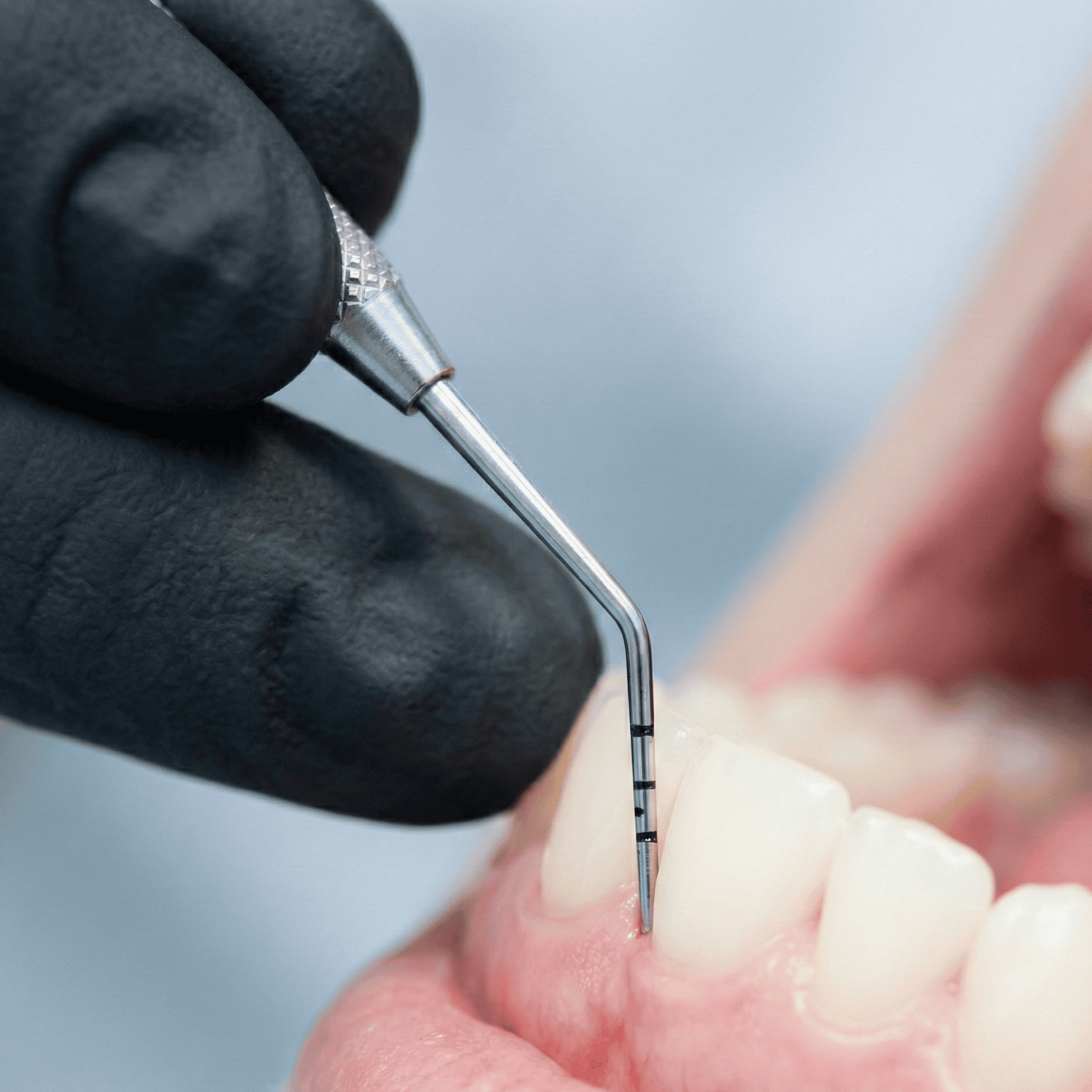
Periodontal care starts with probing, bone-level assessment and risk mapping. You need clarity on what’s happening under the gumline — not assumptions.
Pocket depths and bleeding patterns guide the plan.

Saving Teeth & Supporting Bone
The real goal is stability: reduce inflammation, protect bone and keep teeth functional. Gum disease is a bone disease in disguise.
Early control prevents long-term tooth mobility.
Controlled Deep Cleaning & Infection Care
Specialist care targets bacteria below the gumline using structured debridement and clear follow-up — not one-off “cleaning and goodbye.”
Aftercare is part of treatment, not an extra.
Implant & Surgical Risk Management
Periodontists manage gum and bone conditions that affect implants, grafts and healing. Stability around implants is just as critical as stability around teeth.
Peri-implant inflammation needs early intervention.
If your concern started with bleeding or “puffy gums,” start with the simplest anchor: Dental Cleaning. If you’re preparing for tooth replacement, see Dental Implants.
What a Periodontist Treats
Periodontists focus on the tissues that hold teeth in place — gums, ligament and supporting bone. Treatment is not one-size-fits-all: the plan depends on pocket depth, bone levels and inflammation control.
1. Gum Disease (Gingivitis & Periodontitis)
Gingivitis affects the gums only and is often reversible, while periodontitis develops when inflammation spreads deeper, leading to pocket formation and bone loss.
The goal is to reduce infection and stabilise bone support, then keep it stable with ongoing follow-up care.
2. Gum Recession & Root Exposure
Receding gums can cause sensitivity and higher decay risk on exposed roots. Specialists assess why recession is happening before any grafting decision.
Treatment may include hygiene optimisation, bite factors, or grafting when indicated.
3. Bone Loss & Tooth Mobility
Bone loss is the hidden driver behind looseness and shifting. A periodontist evaluates stability and whether teeth can be preserved safely.
Early control can prevent extractions and complex reconstruction later.
4. Implant Gum Problems (Peri-Implantitis)
Implants can develop inflammation around them. Periodontal care focuses on implant tissue health, decontamination and preventing progressive bone loss.
If you’re considering implants, gum stability is part of success — not an afterthought.
If gum disease has already damaged a tooth beyond predictability, see Tooth Extraction. If you’re planning tooth replacement, explore Dental Implants for what stability requires long-term.
Gummy Smile — When It’s a Periodontal Concern
Not every “gummy smile” is cosmetic. Sometimes the issue is gum position, inflammation, or how tissue sits on the tooth — and a periodontist’s role is to diagnose the cause before anyone talks about “correction.”
When a periodontist is relevant
- Gum overgrowth or puffiness (often inflammation-driven)
- Excess gum coverage on teeth (tissue position may need assessment)
- Gum symmetry concerns where diagnosis comes before any change
The goal is clarity: what’s causing the gum display, and whether stabilisation or monitoring is the right first step.
Periodontal Treatments & Care Pathways
Periodontal care is delivered in stages — from inflammation control to stabilisation and long-term maintenance. The right pathway depends on disease severity, bone levels and risk factors.
Deep Cleaning (Scaling & Root Planing)
Targeted removal of bacteria and calculus below the gumline to reduce pocket depth and bleeding.
Often the first step before considering surgery.
Infection Control & Re-Evaluation
Healing is assessed after initial therapy to confirm inflammation reduction and stability.
Decisions are based on response — not assumptions.
Periodontal Surgery (When Needed)
Surgical access may be required to clean deep pockets, reshape bone or improve long-term maintainability.
Only recommended when non-surgical care isn’t sufficient.
Gum Grafting & Regeneration
Procedures designed to cover exposed roots or rebuild lost support where appropriate.
Indicated selectively — not cosmetic by default.
Implant-Related Periodontal Care
Management of peri-implant inflammation to protect bone and extend implant lifespan.
Stability around implants requires ongoing monitoring.
Maintenance & Long-Term Follow-Up
Periodontal stability depends on structured maintenance visits and risk-based intervals.
Gum disease is controlled — not “cured.”
If periodontal stability cannot be achieved safely, tooth removal may be discussed — see Tooth Extraction. For planned replacement after stabilisation, review Single Tooth Implants.
Recovery, Maintenance & Long-Term Gum Stability
Periodontal care doesn’t end when bleeding stops. Long-term success depends on healing quality, risk control and structured maintenance — keeping gums stable around teeth and implants.
Healing Window
Most patients feel improvement quickly, but tissues need time to stabilise.
Your clinician checks bleeding and pocket response — not “guessing.”
Maintenance Rhythm
Stability is protected with regular intervals based on your risk profile.
Skipping visits can allow silent inflammation to return.
Implant Stability
Implants need the same — or greater — gum monitoring as natural teeth.
Early peri-implant inflammation is easier to stabilise than late failure.
What Long-Term Stability Usually Includes
1) Healing Review
Comfort, bleeding reduction and pocket response guide what happens next.
2) Personal Risk Factors
Smoking, diabetes, stress and bite forces influence recurrence and timing.
3) Maintenance Visits
Regular care keeps bacteria controlled below the gumline where damage starts.
4) Implant & Restoration Monitoring
Gum health protects restorations and reduces peri-implant complications over time.
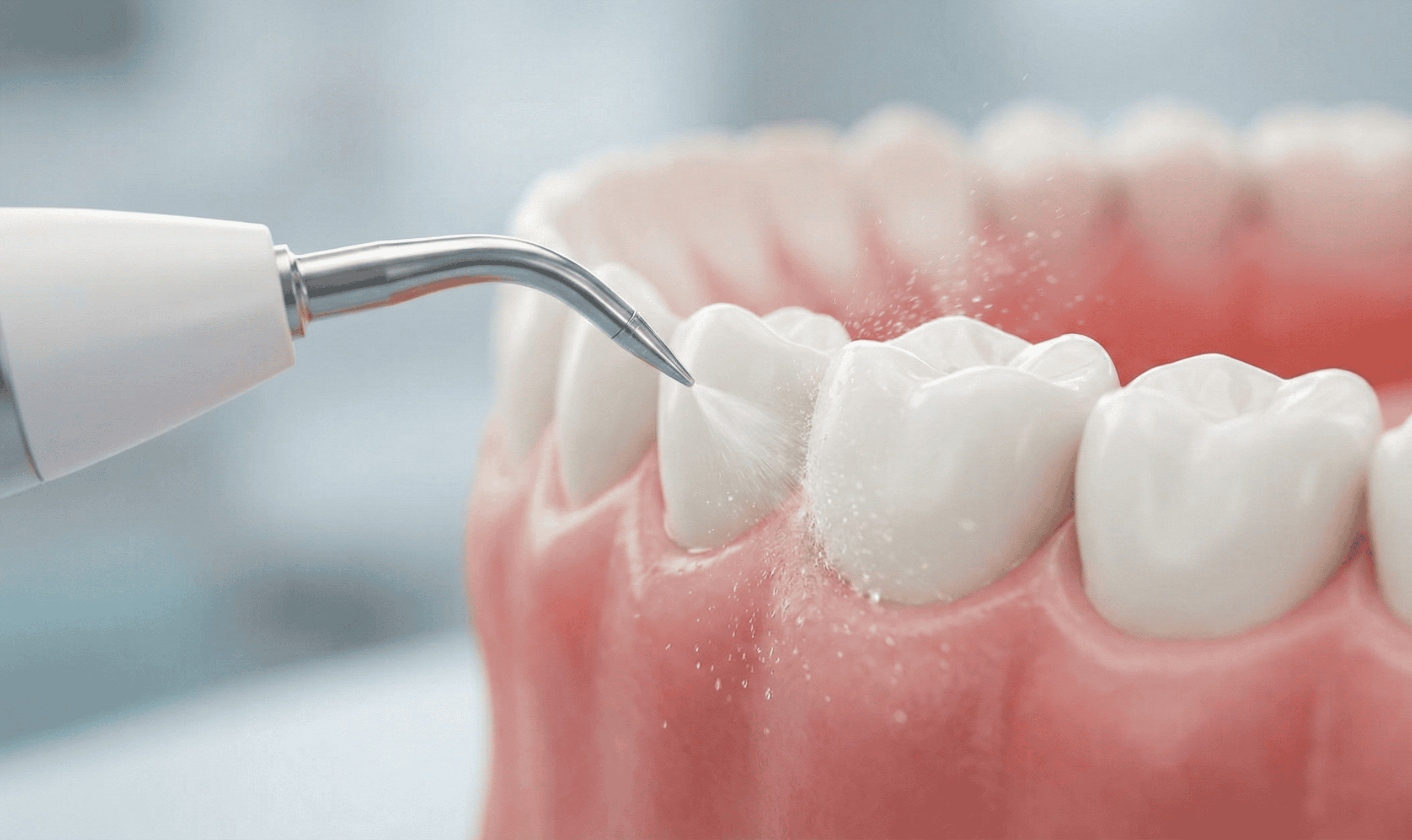
Periodontal maintenance focuses on early inflammation control before damage progresses.
If your plan includes tooth replacement, review Dental Implants. For routine hygiene support, see Dental Cleaning.
How to Choose a Qualified Periodontist in Dubai
Not every dentist who treats gums is a periodontist. Choosing the right specialist means looking beyond titles and focusing on training, diagnostics and long-term care philosophy.
Specialist Training & Scope
Look for advanced postgraduate training focused on gum disease, bone support and implant stability — not just general dentistry.
Diagnostic Standards
Proper periodontal care starts with probing, radiographs and risk assessment. Decisions should be measurement-led, not “quick visual inspection.”
Conservative First Approach
Good specialists prioritise non-surgical stabilisation before surgery, and explain clearly when advanced treatment is — or isn’t — needed.
Long-Term Planning
Gum disease management is ongoing. Look for a provider who discusses maintenance intervals, risk control and follow-up, not one-off treatments.
FAQs: Periodontist in Dubai
Clear answers to common questions about gum disease, periodontal treatment and specialist care — so you know when a periodontist is the right step.
What is the difference between a dentist and a periodontist?
A periodontist is a dental specialist with several additional years of postgraduate training focused on gum disease, bone support and implant-related conditions. They manage cases involving bone loss, deep periodontal pockets and long-term stability — situations where general dental care may no longer be sufficient.
When should I see a periodontist?
You should consider a periodontist if you experience persistent gum bleeding, recession, loose teeth, bone loss on X-rays, or repeated gum infections. Early specialist evaluation matters — untreated periodontal disease can quietly progress and compromise both natural teeth and future treatments such as dental implants.
Is periodontal treatment painful?
Most periodontal treatments are performed under local anaesthesia and are well tolerated. Discomfort is usually mild and short-lived, especially when treatment is properly staged and planned by a specialist. Periodontists focus on controlling inflammation while preserving healthy tissue.
Can gum disease be cured?
Gum disease is a chronic condition. While it cannot be fully cured, it can be stabilised and controlled with the right specialist care. Long-term success depends on accurate diagnosis, appropriate treatment, and structured follow-up rather than one-time intervention.
Do periodontists place dental implants?
Yes. Many periodontists place dental implants, particularly in cases where bone quality, gum health and long-term stability are critical. Their training focuses on managing the tissues that support implants, which can reduce the risk of future complications. Learn more about implant-focused care here.
Does insurance cover periodontal treatment in Dubai?
Coverage depends on your insurance plan and the type of treatment. Basic periodontal care may be partially covered, while advanced procedures often require pre-approval or are self-funded. A specialist assessment helps clarify what is medically necessary versus elective.
What is LumiQuest?
LumiQuest is an independent patient guidance platform designed to help you navigate gum disease, periodontal treatment and long-term oral stability in Dubai. We focus on clarity, ethics and specialist-level care — especially when gum problems are subtle, progressive or easy to overlook.

No Ads. No Influence.
LumiQuest does not accept paid listings or promotions. Guidance is based on diagnostic integrity, treatment ethics and long-term outcomes — never on marketing or referral fees.

Periodontal Standards That Matter
Clinics are assessed for periodontal training, diagnostic depth and care philosophy. We prioritise specialists who investigate root causes, explain risks clearly and avoid overtreatment.

A Long-Term View of Gum Health
Only providers who consistently demonstrate clinical honesty, precision and follow-through remain in our circle. LumiQuest helps you access care that protects gums, bone and teeth over time — not just short-term fixes.
✔ Guidance grounded in safety, ethics, and real-world signals — in Dubai
Your smile deserves clarity, trust, care — and privacy
No ads · No sponsored spots · 100% patient-first · Fully confidential
Find Trusted Periodontal Care in Dubai
Gum disease often progresses quietly — and the right clinician can make the difference between stabilising your mouth and chasing repeat flare-ups. LumiQuest connects you with vetted periodontal providers in Dubai who prioritise accurate diagnosis, ethical treatment planning and long-term stability — without pressure, overselling or shortcuts.
Get Clear Guidance to the Right Dentist
Just a couple of minutes — no pressure, no cost, and fully private
One of our advisors will review your request and guide you to a suitable dentist or clinic, usually within 12 hours.