Tooth Extraction in Dubai — Safe, Gentle & Professional Removal

Tooth extraction in Dubai isn’t just “pulling a tooth”. It’s a planned clinical procedure that starts with diagnosis and tries to save the tooth where possible — and only remove it when extraction is the safest option for pain, infection and long-term oral health.

LumiQuest focuses on criteria, not advertising. Instead of listing clinics by paid visibility, we look at diagnosis quality, pain control, surgical technique and aftercare — then help you compare options through our Dubai dental hub, starting from the Tooth Extraction Cost guide, Wisdom Tooth Removal overview and Oral Surgeon page.

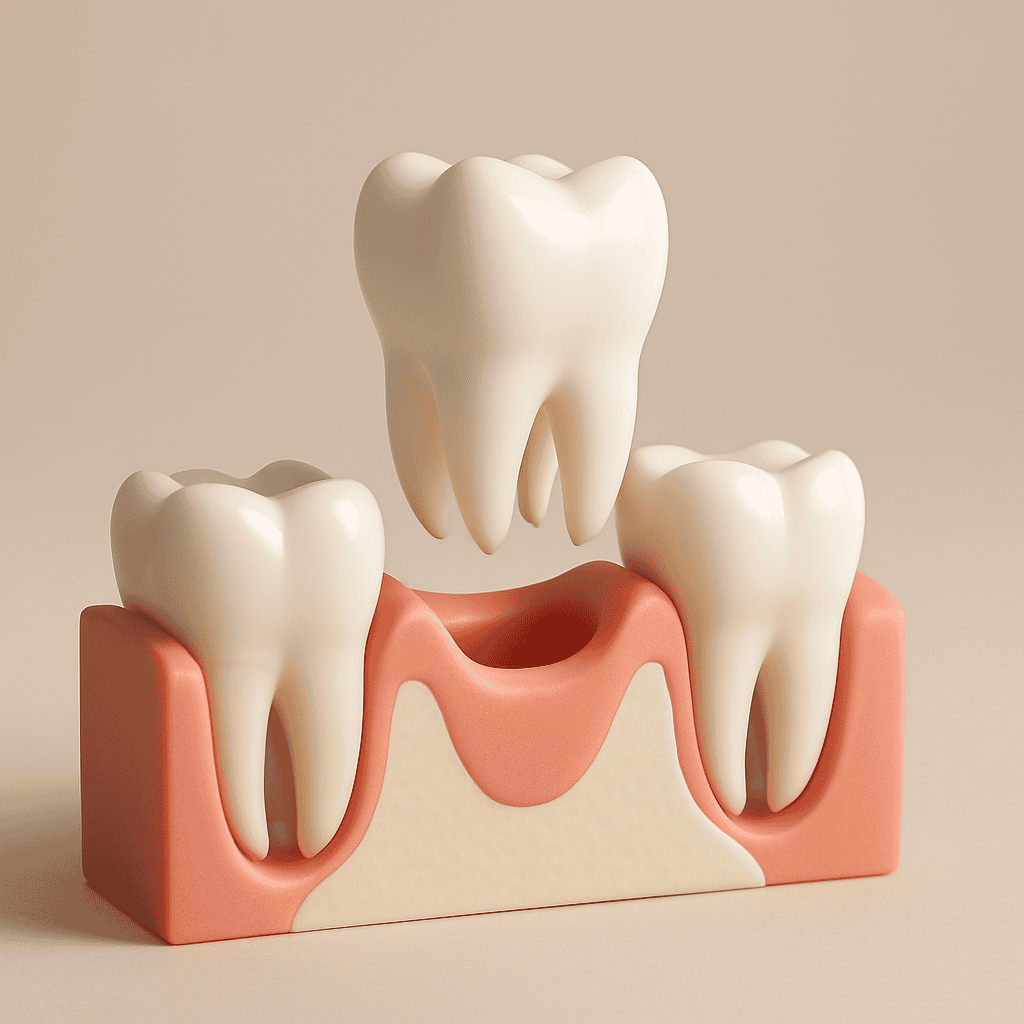
A clean 3D dental model showing a single tooth gently lifted above its socket between two adjacent teeth, with smooth gum and bone textures in soft coral and ivory tones. Minimal, educational, and clinical illustration representing tooth extraction in a calm, gentle way.

When Tooth Extraction Is Needed

Tooth extraction is rarely the first choice. A good dentist will try to save the tooth where possible with fillings, crowns or root canal treatment. Extraction is recommended when keeping the tooth would prolong pain, infection or long-term damage.

🦷

Severe Decay & Failed Restorations

When decay reaches deep into the root, or a tooth has broken repeatedly under fillings or crowns, it may no longer be predictable to restore.

Extraction can prevent ongoing pain, repeated treatment and hidden cracks spreading.

🔥

Infection, Abscess & Swelling

A severely infected tooth with swelling, abscess or spreading pain sometimes cannot be saved safely with root canal alone.

Removing the source of infection can protect nearby teeth and overall health.

💢

Cracks, Fractures & Mobility

Vertical root fractures, split teeth or teeth that have become very loose from trauma or bone loss are often not restorable.

In these cases, extraction avoids ongoing discomfort and unpredictable failures.

📐

Wisdom Teeth, Crowding & Gum Disease

Impacted wisdom teeth, severe crowding before orthodontics or teeth with advanced gum disease may need removal as part of a larger plan.

Here, extraction supports overall bite, gum health and long-term function.

If you’re unsure whether a tooth can still be saved, a careful exam (and sometimes 3D imaging) helps compare options like root canal treatment versus planned replacement after extraction. For wisdom teeth or complex surgical cases, see Wisdom Tooth Removal and Oral Surgeon in Dubai.

Simple vs Surgical Extraction — What’s the Difference?

There are two main types of tooth extraction in Dubai. The goal of both is safe, gentle removal with predictable healing, but the technique depends on tooth condition, visibility and anatomy.

Simple Extraction

Removes a tooth that is visible above the gum and not blocked by bone or soft tissue.

  • Done with local anesthesia
  • Minimal incision, shorter appointment
  • Suitable for most front and premolar teeth
  • Faster recovery and lower cost

Good option when the tooth is restorable in theory, but not worth saving.

Surgical Extraction

Required when a tooth is partially broken, under the gum, or impacted.

  • Performed by a clinician with surgical training
  • May involve small incisions or bone removal
  • Often needed for wisdom teeth
  • More complex, longer healing

Complexity depends on position, infection and proximity to nerves.

Your dentist will recommend an approach based on examination and imaging. The aim is to make removal as safe and comfortable as possible, not to “force” a difficult tooth.

Complex cases are often managed by an oral surgeon to reduce risk and speed up healing.

For pricing differences, see the Tooth Extraction Cost guide.

What to Expect During the Procedure

A well-performed extraction should feel controlled, gentle and predictable. The aim is to support comfort, protect surrounding tissue and set the foundation for fast, healthy healing.

1. Diagnosis and Imaging

Your dentist assesses the tooth, gums and bone, often using X-rays or CBCT scans to plan the safest approach.

This identifies infection, fractures and proximity to nerves or sinuses.

2. Local Anesthesia & Comfort

Numbing is applied to ensure that you feel pressure, not pain. Additional anesthesia is provided if needed.

Comfort is monitored continuously throughout the procedure.

3. Gentle Loosening of the Tooth

The tooth is gradually loosened using controlled, precise movements to separate it from the surrounding tissue, rather than forceful pulling.

This approach reduces trauma to bone and gums, supporting a smoother recovery.

4. Removal & Cleaning

Once freed, the tooth is removed using careful, controlled movements, followed by cleaning of the socket and surrounding tissue.

Clearing debris and infection lowers the risk of complications.

5. Stitches (If Needed)

Some surgical cases may use dissolvable or removable stitches to stabilise the area and guide healing.

Many dissolve on their own in 1–2 weeks, although some types are removed at a follow-up visit.

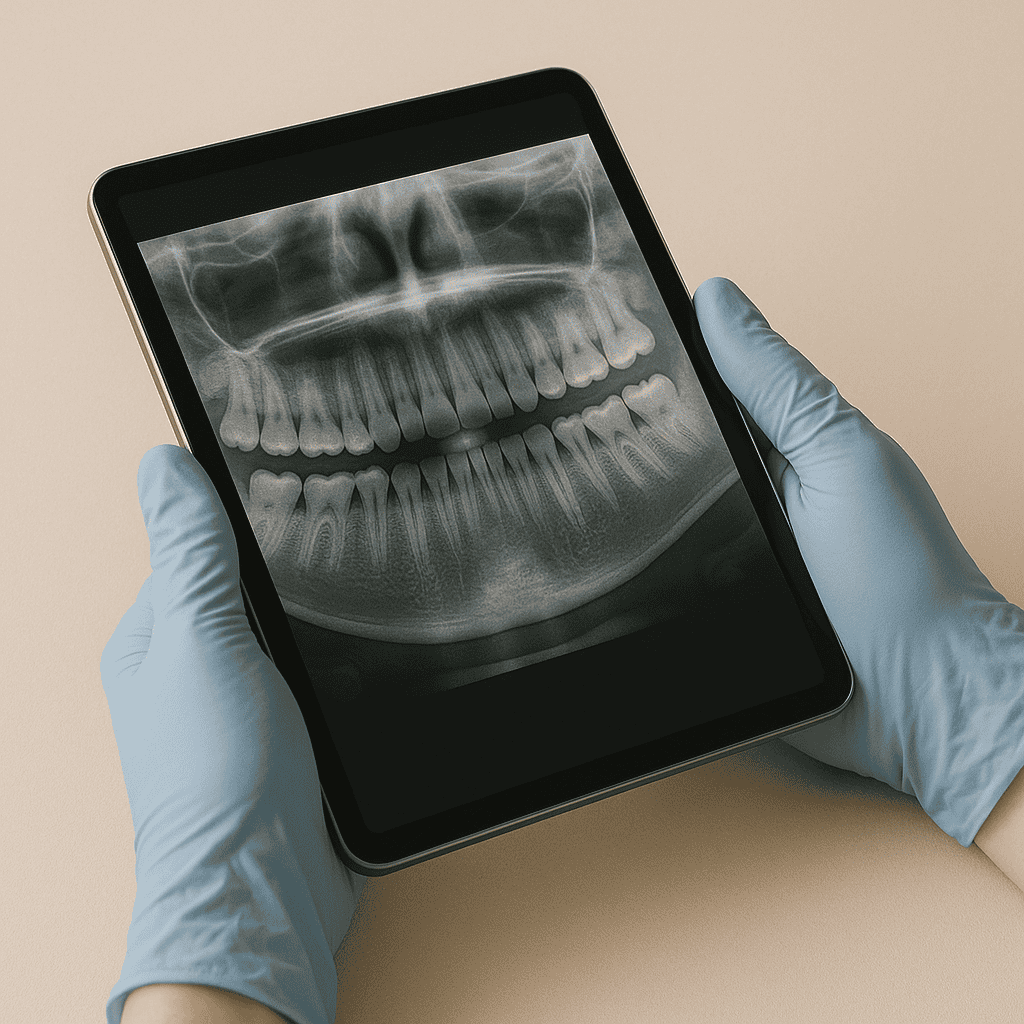
A close-up of gloved hands holding a digital tablet displaying a panoramic dental X-ray, showing full upper and lower teeth in a clean, modern clinical environment.
Digital imaging helps diagnose tooth position, bone support and treatment needs with clarity and precision.

If you’re anxious about pain, sedation or recovery, a consultation can explain your options, timelines and comfort plan before treatment.

Pain Control, Anesthesia & Comfort Options

Modern tooth extraction in Dubai is designed to be safe and comfortable. Most patients feel pressure, not pain, and dentists use multiple comfort strategies to make treatment as stress-free as possible.

💉

Local Anesthesia

The most common approach. Numbs the tooth and surrounding tissue so you feel no sharp pain.

Additional anesthesia can be given during treatment if needed.

😌

Conscious Sedation

Often used for patients with dental anxiety or longer surgical appointments. Options like nitrous oxide or oral medication can help you feel calmer during treatment.

You stay awake and able to respond, but anxiety and tension are reduced.

🩺

Gentle Technique

Experienced dentists use slow, controlled movements to avoid unnecessary force.

This can reduce tissue trauma, swelling and post-operative soreness.

🧊

Post-Treatment Comfort

Short-term soreness or tenderness is normal and usually managed with standard pain relief.

Most patients resume daily activities within 1–2 days, following their dentist’s instructions.

Sterile dental instruments, including extraction forceps, syringe, gauze and suction tip, arranged neatly on a stainless-steel tray in a modern operatory with a dental chair in the background.

Many Patients Are Surprised by How Manageable It Feels

The goal isn’t to “rush through” the procedure — it’s to create a controlled experience that supports comfort, safety and smoother healing.

Good clinics combine clear communication, effective anesthesia and gentle technique to make the process easier and more comfortable.

If you’re anxious about treatment, discuss options with your dentist. Many clinics can tailor an approach that matches your comfort level and medical needs.

Complex surgical cases may involve specialist care from an oral surgeon.

Recovery, Aftercare & Healing Time

Healing after a tooth extraction is usually straightforward and predictable when aftercare instructions are followed. Most patients experience mild soreness for 1–3 days and return to normal activities quickly.

First 24 hours

Protect the blood clot, follow pain relief advice and keep the area undisturbed.

Days 2–3

Mild soreness or swelling is common. Soft foods and gentle hygiene support healing.

7–14 days

Soft tissue usually closes over. Bone continues to remodel over the next few weeks.

What Helps Healing

  • Follow your dentist’s instructions on medication and pain relief.
  • Choose a soft diet for the first 24–48 hours and chew on the opposite side.
  • Keep the area clean but gentle with brushing and rinses as advised.
  • Use cold compresses in the first hours if recommended to limit swelling.

What to Avoid Early On

  • Smoking or vaping, which can slow healing and increase dry socket risk.
  • Straws, vigorous rinsing or spitting that may disturb the blood clot.
  • Very hot food or drinks in the first 24 hours.
  • Touching the area repeatedly with fingers or tongue.
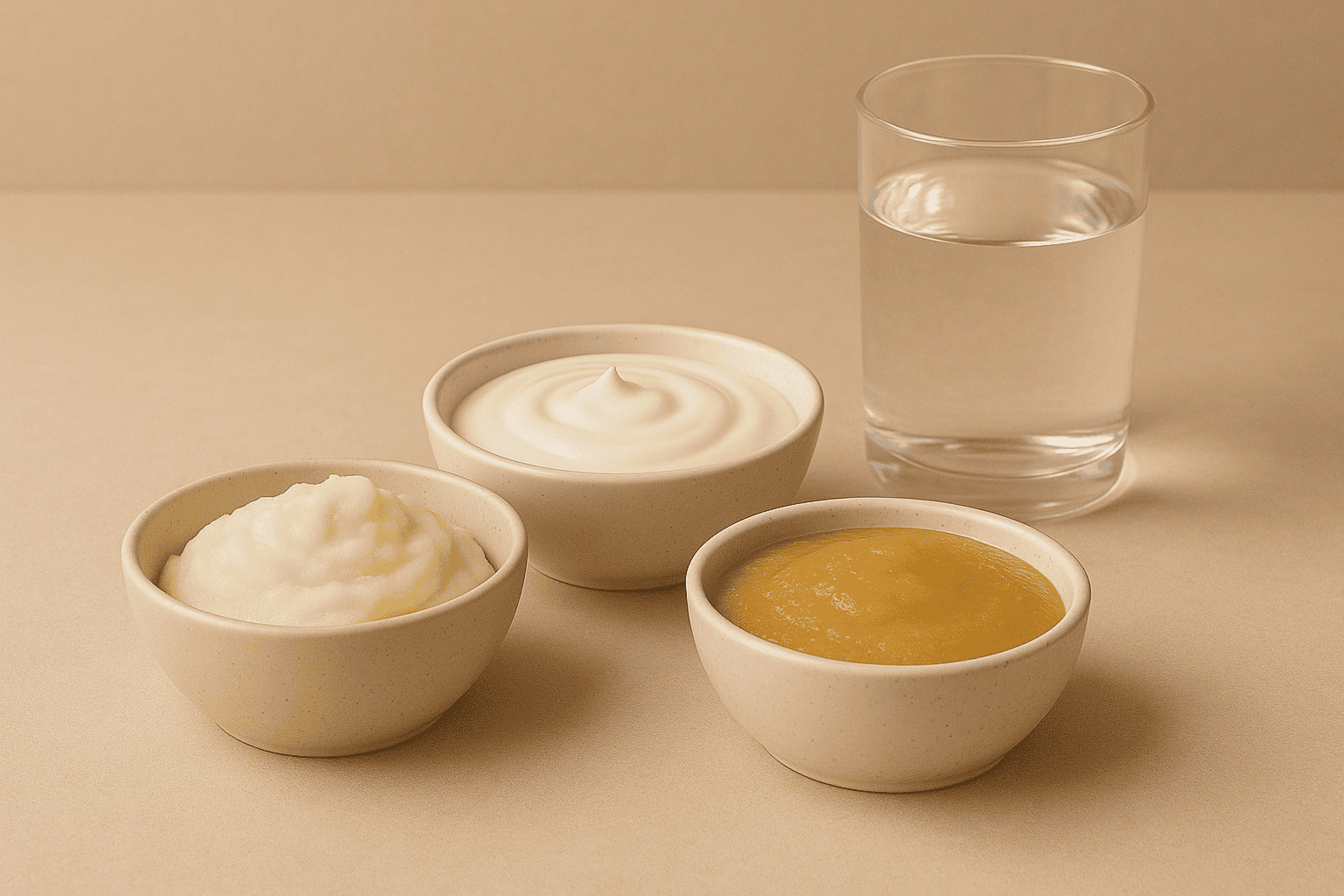
Three small bowls of soft foods—mashed potatoes, yogurt, and applesauce—arranged on a warm neutral surface beside a glass of water, representing gentle meal options after tooth extraction.
Soft, easy-to-eat foods and water support gentle healing in the first days after extraction.

If something doesn’t feel right — increasing pain, swelling or unusual symptoms — contact your dentist so they can reassess and adjust your care. If you’re considering replacing the tooth with an implant, bridge or aligners, timing matters. The Dental Implants hub explains how healing, bone support and planning come together for long-term results.

FAQs: Tooth Extraction in Dubai

Straightforward answers to common questions about tooth extraction in Dubai — from pain and healing time to antibiotics, eating and when you might need an oral surgeon.

Is tooth extraction painful?

During the procedure, you should feel pressure, not sharp pain, thanks to local anesthesia. If anything feels uncomfortable, your dentist can reinforce numbing straight away.

After the extraction, mild soreness is normal and usually managed with standard pain relief. Most patients feel much more comfortable within 48–72 hours.

How long does healing take after extraction?

Soft tissue (gum) healing typically takes around 1–2 weeks, while bone healing is gradual over several weeks. Simple extractions often feel settled sooner than surgical or wisdom tooth removals.

Your dentist may schedule a review to check healing and discuss next steps, such as implants or orthodontics.

What is the difference between simple and surgical extraction?

A simple extraction removes a tooth that is clearly visible and accessible above the gum. A surgical extraction is needed when the tooth is broken, impacted or partly covered by bone or gum.

Surgical extractions take longer, may involve stitches and usually have a slightly longer recovery time and higher cost. Your dentist will explain which option applies to your tooth.

Do I need antibiotics before or after extraction?

Not everyone needs antibiotics. They are usually reserved for cases with significant infection, swelling or specific medical conditions.

Your dentist or oral surgeon will review your medical history, symptoms and X-rays before deciding whether antibiotics are appropriate.

What can I eat after a tooth extraction?

For the first 24–48 hours, stick to a soft, cool or room-temperature diet and avoid chewing directly on the extraction side.

Gradually reintroduce normal foods as soreness improves. Avoid very hot, spicy or crunchy items early on, and follow your dentist’s specific instructions.

When should I remove wisdom teeth?

Wisdom teeth are usually removed if they cause pain, swelling, repeated infection, decay or crowding, or if imaging shows a high risk of future problems.

A focused assessment on the Wisdom Tooth Removal pathway can clarify whether monitoring or proactive removal is safer for your situation.

Do I need an oral surgeon or can a general dentist extract my tooth?

Many simple extractions are safely managed by general dentists. More complex cases — impacted wisdom teeth, difficult roots, cysts or nerve proximity — may be better handled by an oral surgeon.

If your dentist anticipates higher risk or complexity, a referral is a protective step, not a complication.

When is tooth extraction an emergency?

Severe pain with swelling, fever, difficulty swallowing or limited mouth opening can indicate an urgent infection. In these situations, you may need emergency dental care and prompt assessment.

Don’t wait if symptoms are worsening — early treatment usually means safer, simpler solutions.

For pricing, complexity levels and when costs increase for surgical or wisdom teeth, see the Tooth Extraction Cost guide and Wisdom Tooth Removal Cost guide. If gum problems are part of the picture, the Periodontist in Dubai page explains specialist care for gum and bone health.

What is LumiQuest?

LumiQuest is an independent patient guide that helps you find dental providers in Dubai for procedures such as tooth extraction, wisdom tooth removal and oral surgery who are committed to safe care, clear explanations and ethical decision-making. Our role is to make choosing trustworthy care simple — especially when you’re in pain or anxious.

No ads or sponsored listings for dental care in Dubai

No Ads. No Sponsorships.

LumiQuest does not accept paid listings or promotions. You receive clear, unbiased guidance to clinics based on clinical quality, ethics and patient outcomes — not advertising budgets.

Vetted oral surgeons and dental clinics in Dubai

Clinics That Are Properly Vetted

Each clinic is screened for experience, transparency and responsible treatment planning. We look for providers who explain options clearly, avoid pressure tactics and put safety and predictability first.

Trusted network of oral surgery and extraction providers in Dubai

A Private Circle of Trust

Only clinics that consistently show honesty, clinical quality and patient-first care are included in our network. LumiQuest helps you access places that prioritise clear diagnosis, comfort and predictable recovery.

Find My Dentist

Guidance grounded in safety, ethics, and real-world signals — in Dubai

Your smile deserves clarity, trust, care — and privacy
No ads · No sponsored spots · 100% patient-first · Fully confidential

Find Safe, Trusted Dental Care in Dubai

When you need a tooth extracted — whether simple or surgical — choosing the right clinic matters. LumiQuest connects you with vetted, ethical dental providers in Dubai who prioritise clear diagnosis, safe treatment and predictable recovery — without pressure, upselling or uncertainty.

Get Clear Guidance to the Right Dentist

Just a couple of minutes — no pressure, no cost, and fully private
One of our advisors will review your request and guide you to a suitable dentist or clinic, usually within 12 hours.

Type your country (e.g., “United Arab Emirates”) or its code (e.g., “+971”), then your number without the area code. WhatsApp only.
Please enter a valid phone number.
Advanced Options (optional)
JPG, JPEG, PNG, PDF, HEIC, WEBP (max 10MB each)

Maintained by: LumiQuest Dental Circle