Ultra-Thin Ceramic Shells
No-prep veneers are often 0.2–0.3 mm in thickness, designed to sit on enamel like a contact lens rather than replacing a large portion of the tooth surface.
No-prep veneers are ultra-thin ceramic shells bonded to the front of your teeth with minimal or no enamel drilling. When used in the right cases, they brighten and refine your smile while preserving as much natural tooth as possible.
They are sometimes compared with branded systems like “Lumineers”, but what truly matters is case selection, design, and bonding technique. Your teeth, bite, and smile goals determine whether no-prep veneers are a safe choice — or if traditional porcelain or Emax veneers are more suitable. For deeper comparisons between materials, visit the Veneer Types guide. To explore the full veneers category, visit the main Veneers page.



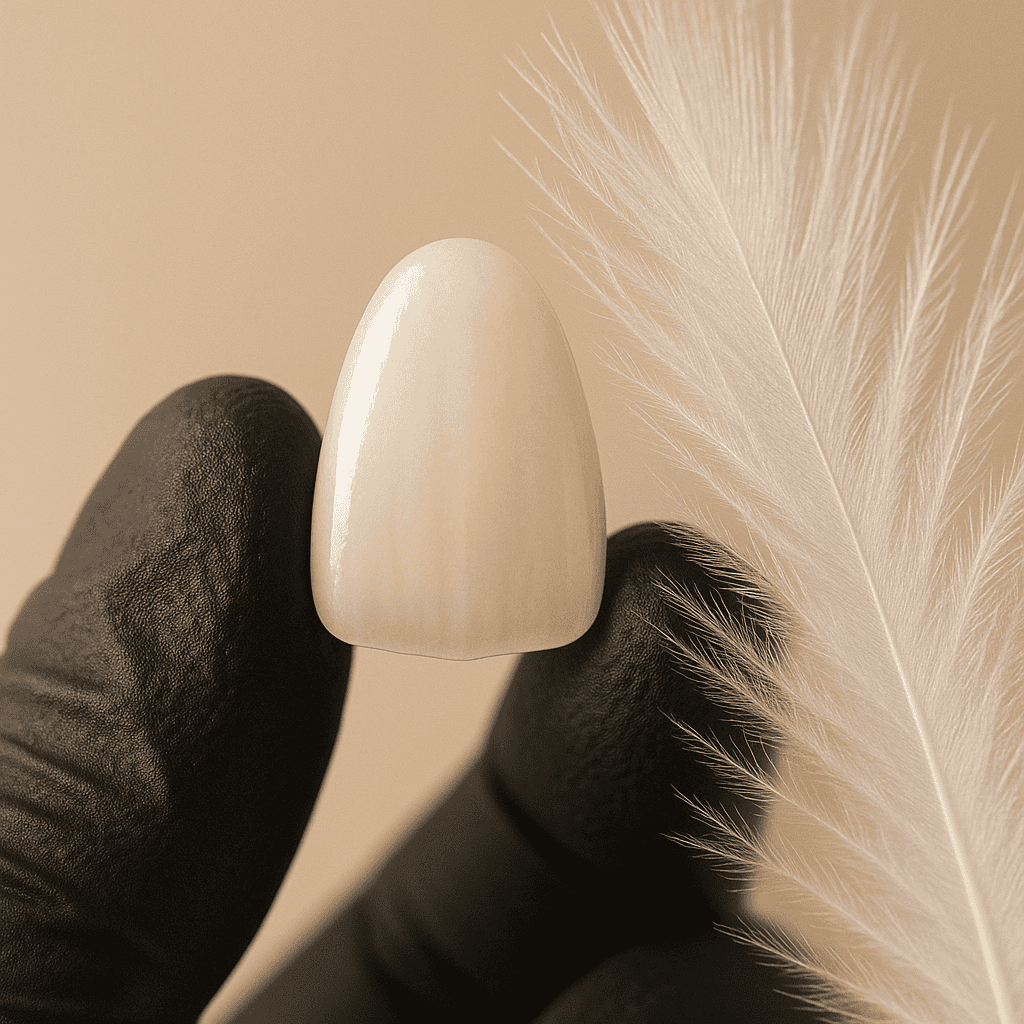
No-prep veneers are very thin ceramic veneers designed to be bonded onto teeth with little or no enamel reduction. They are most suitable when the existing teeth already have good alignment and shape, and only need subtle brightening or contouring.
No-prep veneers are often 0.2–0.3 mm in thickness, designed to sit on enamel like a contact lens rather than replacing a large portion of the tooth surface.
In suitable cases, only minor smoothing at the edges is needed for fit. In others, small adjustments are still required to avoid bulkiness and to keep the bite balanced.
They are not a shortcut for every smile. Teeth that are crowded, protruded, or heavily restored often need traditional veneers or orthodontics instead.
No-prep veneers are usually integrated into a broader smile makeover or Hollywood Smile plan, not used in isolation on mismatched teeth.
No-prep veneers are one option among several. This overview shows how they compare to Composite, Porcelain, and Emax in terms of invasiveness, durability, and aesthetics. Use it to understand which direction may fit your smile best before discussing details with your dentist. For deeper explanations, visit the Veneer Types guide.
These categories help guide expectations — but the right choice depends on your tooth colour, alignment, bite, and long-term goals. Explore more details in Veneer Types, Composite Veneers, Porcelain Veneers, and Emax Veneers.
No-prep veneers work beautifully when the starting point is already close to ideal. They are not a shortcut for every smile. Here’s a realistic view of who they tend to suit — and who might be safer with traditional veneers or orthodontics.
Your front teeth are already straight, with only minor shape or length adjustments needed.
You want a brighter, more even shade, but your underlying tooth color is not severely dark.
Front teeth do not have large fillings or heavy wear that would need structural coverage.
You strongly prefer conservative dentistry and accept that subtle change may be safer than a full redesign.
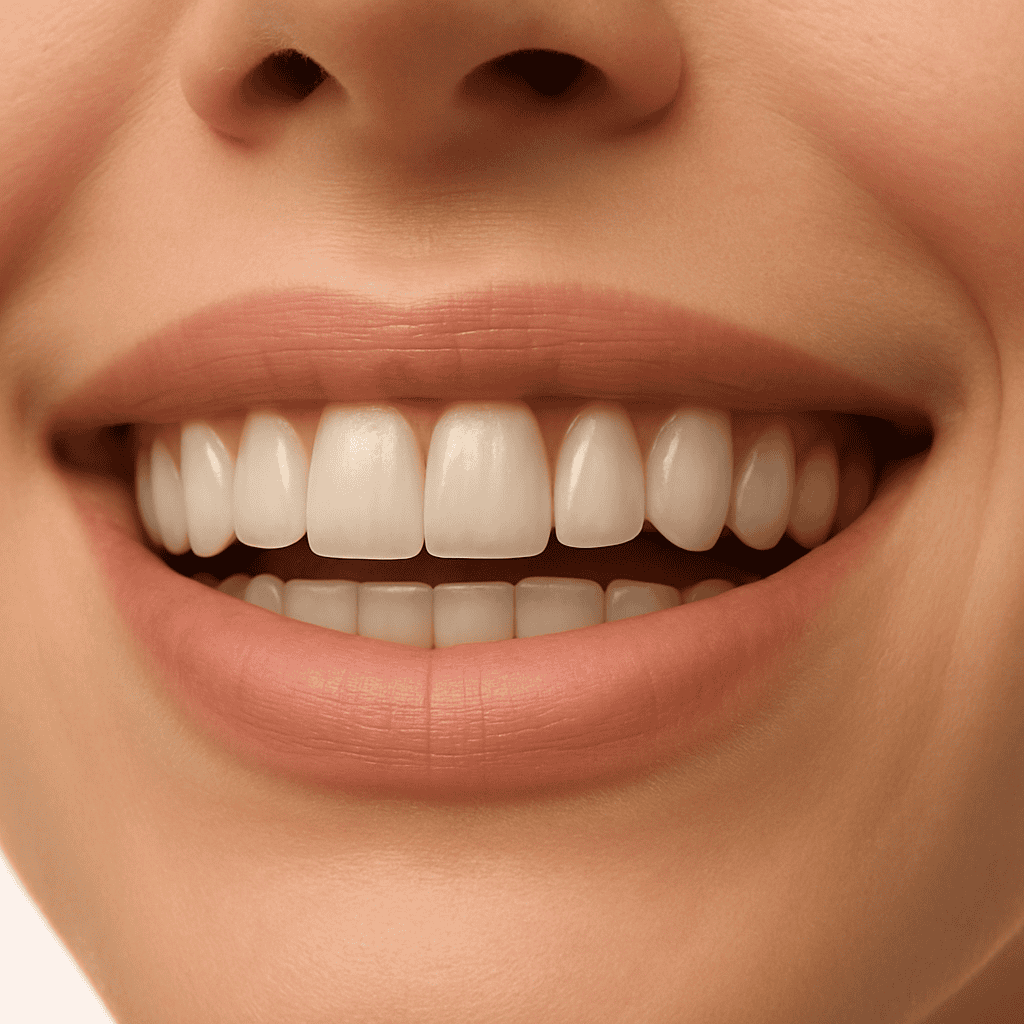
No-prep veneers typically work best when teeth already have good alignment and shape, with only gentle refinements needed.
Adding material on top of already crowded or protruded teeth can make them look bulkier. Orthodontics plus veneers later may be safer.
Ultra-thin ceramics may not fully mask severe discolorations. Traditional veneers or a staged whitening + veneer plan is usually more predictable.
Teeth with large fillings, fractures, or wear may need crowns or more traditional veneers for strength and support.
When you want major shape, position, and bite changes, minimal-prep or traditional veneers are often more controllable.
The overall journey looks similar to other veneer treatments, but with more emphasis on case selection and enamel preservation at each step.
Your dentist evaluates your smile, bite, tooth color, and existing restorations. They will confirm whether no-prep, minimal-prep, or traditional veneers make more sense clinically.
Detailed photos and scans or impressions are taken. A digital or wax-up smile design is created to preview how ultra-thin ceramics can look on your existing teeth.
In some cases, only polishing and slight edge contouring are needed. In others, your dentist may perform very conservative enamel reduction to avoid bulk and keep the bite comfortable.
A high-quality dental lab fabricates your ultra-thin ceramic veneers, often using press or CAD/CAM workflows. This stage determines texture, translucency, and fit.
Veneers are tried in with a temporary try-in paste. You and your dentist assess color, length, and symmetry before committing to bonding. Small adjustments can be requested.
The veneers are bonded using adhesive protocols designed for enamel. You receive guidance on cleaning, night-guard use if needed, and follow-up visits to protect the result long term.
Even with no-prep veneers, you are committing to a long-term bonded restoration. Choosing the right plan now helps avoid future re-treatment or irreversible damage.
Because no-prep veneers are so technique- and indication-sensitive, the choice of clinic matters even more than the material. LumiQuest focuses on clinics that treat no-prep veneers as a conservative option, not a one-size-fits-all shortcut.
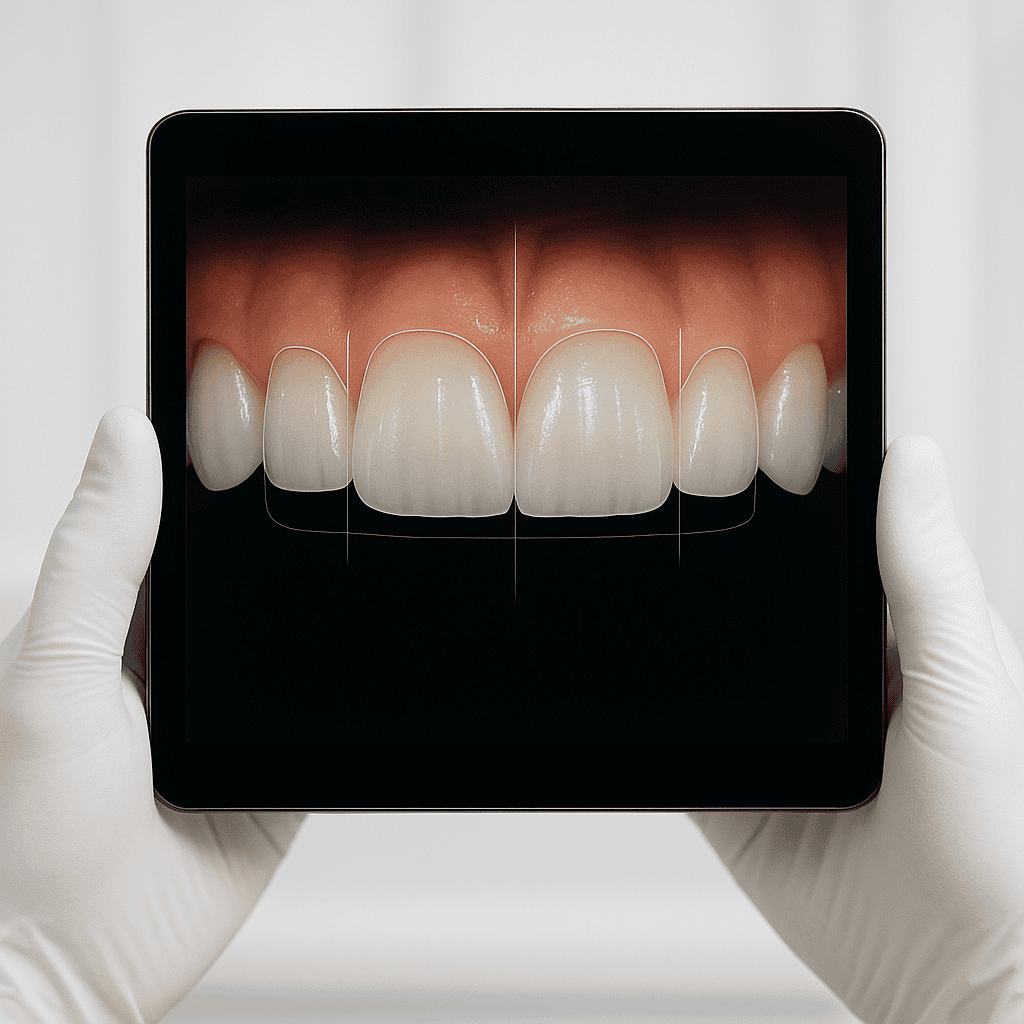
Clinics should clearly explain why no-prep veneers are being proposed — and when alternative plans (orthodontics, whitening, traditional veneers) might be safer.
Ultra-thin ceramics demand precise pressing or CAD/CAM fabrication. LumiQuest looks for labs experienced with minimal-prep and no-prep cases.
From isolation to bonding protocols, vetted clinics prioritize strong enamel bonding and long-term protection of your natural teeth.
Results should look natural, not bulky. Subtle edge refinement, balanced lengths, and a healthy bite matter more than maximum whiteness.
Clear answers to the most common questions about no-prep veneers — when they’re safe, when they’re not, and how they compare with other veneer options in Dubai.
In some carefully selected cases, yes — only polishing and surface cleaning are needed. In many real-world cases, small enamel adjustments are still recommended to avoid a bulky look and to keep the bite comfortable. “No-prep” should describe the teeth, not just the marketing.
When the starting teeth are already well aligned and not very dark, no-prep veneers can look very natural — adding brightness and refinement without a “heavy” effect. On crowded or protruded teeth, they can appear too thick, which is why case selection is so important.
With proper planning, bonding, and maintenance, ceramic no-prep veneers can often last 10+ years, similar to other high-quality veneers. Longevity depends on bite forces, night-time grinding, hygiene, and regular dental reviews.
They are more conservative than traditional veneers, but still bonded ceramic. If any enamel was removed, that part is not reversible. The goal is to keep preparation so minimal that the underlying tooth is largely preserved for future options if needed.
Usually not the best choice. Adding ceramic on top of crowded or protruding teeth can make them look thicker and can interfere with your bite. Often, the safer route is aligners or braces first, then minimal-prep veneers if still needed.
High-quality ceramic veneers are highly stain-resistant. However, smoking, heavy coffee, tea, or colored drinks can still affect the overall smile brightness. Regular hygiene visits and polishing help maintain the gloss.
No-prep veneers are usually priced similar to other porcelain or Emax veneers per tooth, especially when fabricated by high-end labs. Expect a range close to other ceramic veneers, with cost driven more by lab quality, planning, and clinic experience than by the “no-prep” label. For broader ranges and package examples, see the Veneers Cost guide.
In some cases, yes — especially when the smile already has good alignment and only needs brightness and subtle refinement. In many full Hollywood Smile cases, a mix of minimal-prep and traditional veneers provides more control over shape, bite, and long-term stability.
LumiQuest is an independent dental trust platform — guiding patients in Dubai toward trusted clinics for veneers, bonding, smile makeovers, crowns, and other cosmetic treatments with clarity and confidence.

No ads. No paid placements. LumiQuest’s guidance is shaped entirely around patient needs — not clinic marketing.

Clinics are introduced based on transparent standards, ethical conduct, and consistent patient experiences over time.

LumiQuest guides patients toward dentists who align with its patient-first principles — helping you make informed, confident decisions.
✔ Guidance grounded in safety, ethics, and real-world signals — in Dubai
Your smile deserves clarity, trust, care — and privacy
No ads · No sponsored spots · 100% patient-first · Fully confidential
Whether you’re enhancing your smile with veneers, bonding, or crowns, choosing the right clinic shapes your outcome. LumiQuest guides patients toward cosmetic dentists in Dubai who align with its principles of transparency, planning discipline, and ethical care.
Just a couple of minutes — no pressure, no cost, and fully private
One of our advisors will review your request and guide you to a suitable dentist or clinic, usually within 12 hours.