Diagnosis Before Treatment
Safe emergency care starts with assessment, imaging and clinical reasoning — not immediate drilling or extraction.
Pain relief without diagnosis often leads to mistakes.

“Best emergency dentist” in Dubai is not about speed, ads, or walk-in promises. It’s about accurate diagnosis, infection control, pain stabilisation and knowing what truly can’t wait — especially when fear and urgency cloud judgment.
LumiQuest focuses on clinical judgment, safety and restraint. Instead of ranking clinics or promoting urgency offers, we explain what defines safe emergency dental care, how ethical decisions are made under pressure, and when referral or monitoring is the smarter path. For context, start from the Emergency Dentist hub, Root Canal overview and Oral Surgeon guide.

“Best” emergency dental care in Dubai is not defined by speed, availability, or aggressive promises. It’s defined by diagnostic judgment, infection control, ethical restraint, and knowing when to pause or refer — especially under pressure.
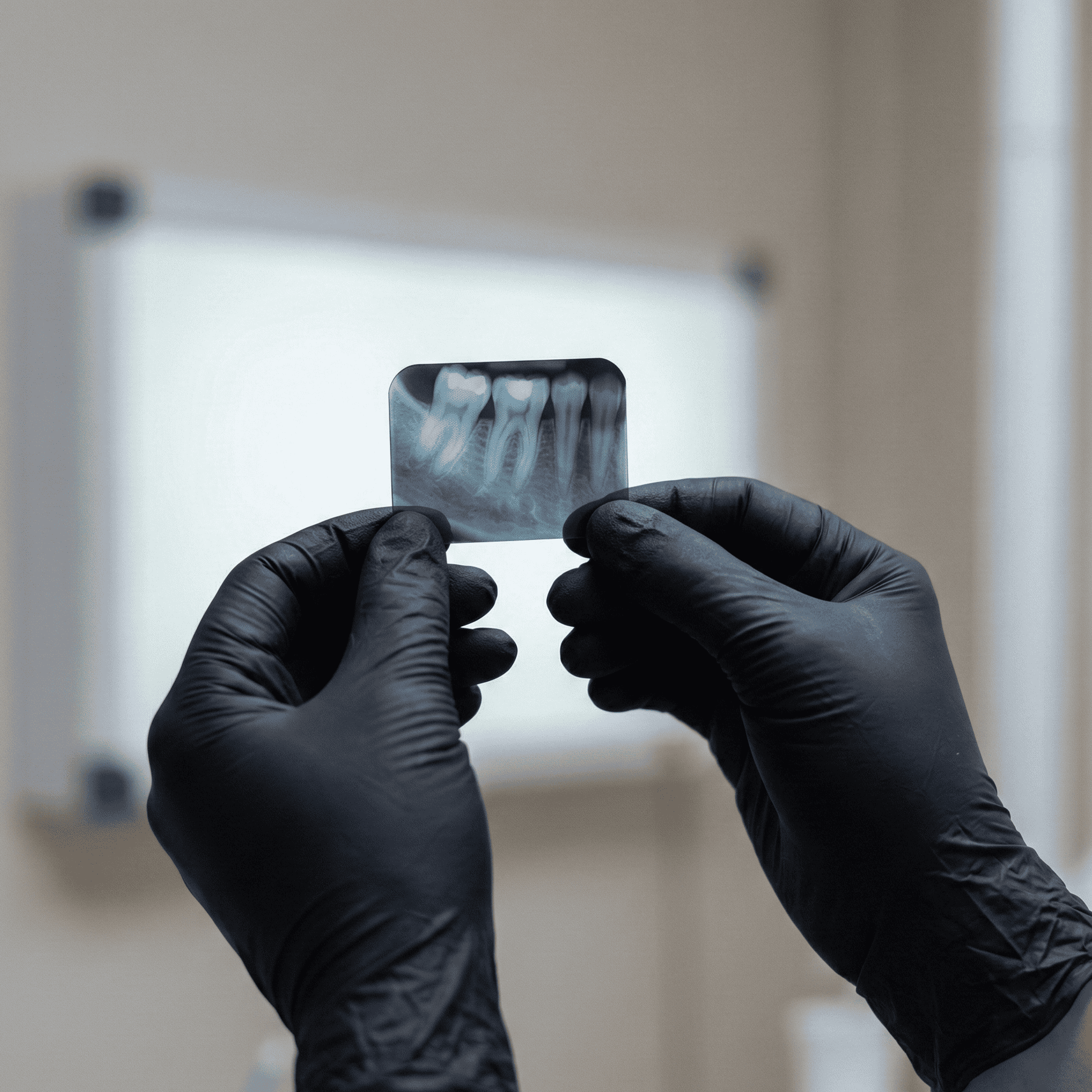
Safe emergency care starts with assessment, imaging and clinical reasoning — not immediate drilling or extraction.
Pain relief without diagnosis often leads to mistakes.
Emergencies often involve infection risk. The priority is stabilisation, drainage when needed, and preventing spread — not cosmetic fixes.
Facial swelling is a medical risk, not a sales opportunity.
The best emergency dentists avoid fear-driven treatment and explain when care can safely wait.
Not every painful tooth needs immediate extraction.
Some emergencies require oral surgeons, endodontists, or hospital care. Safe clinics recognise their limits.
Referral is a strength — not a failure.
If you’re unsure whether your situation is urgent or can wait safely, the Emergency Dentist guide explains what truly qualifies as a dental emergency — without pressure or guesswork.
The best emergency dental care is calm, stabilising and deliberate — not rushed or aggressive.
Quality urgent care in Dubai focuses on relief, safety and clear next steps, not irreversible decisions made under stress.
Safe emergency care prioritises controlled pain relief while identifying the true source of the problem.
Treating pain without diagnosis often masks risk.
Swelling, abscesses and spreading infections are managed through drainage, medication and monitoring — not rushed extraction.
Stabilisation comes before definitive treatment.
The best emergency dentists aim to preserve teeth and tissue whenever it is safe to do so.
Saving options are discussed before removing teeth.
Patients leave with a clear plan — whether that means follow-up treatment, specialist referral or safe monitoring.
Uncertainty increases fear and poor decisions.

In true emergencies, urgent care is often the first step, not the final one. Definitive treatment may involve a root canal, oral surgery, or careful extraction — planned once it’s safe.
When you’re in pain, it’s easy to feel rushed into decisions. The following warning signs suggest unsafe, profit-driven, or poorly judged emergency care — especially under pressure.
Proceeding straight to drilling or extraction without imaging or explanation is unsafe.
Pain does not replace diagnosis.
Being told you must decide immediately — without time to understand options — is a major red flag.
Ethical emergency care allows informed consent.
While sometimes necessary, tooth removal should not be the default response to pain or infection.
Preservation options should be discussed first.
Facial swelling, fever or spreading infection require careful stabilisation, not cosmetic fixes.
Infection spread can become dangerous quickly.
Clinics that avoid referring to specialists or hospitals may be working beyond their limits.
Referral is part of safe emergency care.
Promotions, discounts or cosmetic upsells during emergencies signal misaligned priorities.
Emergencies are not sales moments.
If something feels rushed, unclear or uncomfortable, it’s reasonable to pause. The Emergency Dentist guide explains when to seek care immediately — and when taking time protects you.
LumiQuest does not rank clinics or promote emergency listings. Instead, we assess how decisions are made under pressure — when judgment, restraint, and patient safety matter most.
Clinics should assess before acting — using imaging, examination and explanation rather than reflex treatment.
Emergency care prioritises stabilisation, swelling control and safety, not cosmetic or elective procedures.
We look for clinics that avoid fear-driven upselling and explain when treatment can safely wait.
We value clinics that know when to refer — to endodontists, oral surgeons, or hospitals when needed.
Emergency judgment should be consistent — not dependent on who is on duty or how busy the clinic is.
We listen for calm communication and informed consent, not confusion, pressure, or rushed decisions.
Clinics cannot pay to appear, influence evaluations, or override patient feedback. The goal is safe urgent care — not speed, sales, or panic-driven treatment.
Clear answers to common questions about emergency dental care in Dubai — focused on safety, urgency, decision-making, and avoiding unnecessary treatment.
A true dental emergency involves severe pain, infection, swelling, bleeding, trauma, or risk of spreading infection. Cosmetic issues, minor sensitivity, or stable problems usually do not require emergency care.
Go to a hospital if there are breathing or swallowing issues, rapidly spreading facial swelling, high fever, or uncontrolled bleeding. Otherwise, an experienced emergency dentist can safely assess and stabilise most dental emergencies.
No. Extraction is sometimes necessary, but it should not be the default. Good emergency care focuses on diagnosis, infection control and stabilisation first, then discusses preservation options when safe.
Yes — when done properly. Safe care includes assessment, drainage if needed, medication, and monitoring. Rushed procedures without infection control increase risk.
Emergency visits may cost more due to urgency, diagnostics, or after-hours care. However, high pressure sales or inflated treatment plans are not normal. Ethical clinics explain costs before proceeding.
Many emergencies can be stabilised outside normal hours. The key is choosing a provider who focuses on safe relief and clear next steps, not rushed irreversible treatment.
LumiQuest offers independent guidance to help patients understand urgency, red flags, and safe decision-making. Recommendations are shared privately — never as paid listings or rankings.
If you’re unsure whether your situation requires urgent care, start with the Emergency Dentist guide for calm, step-by-step clarity.
LumiQuest is an independent patient guide that helps you navigate emergency dental care in Dubai safely and confidently. When pain, swelling, or infection makes decisions feel urgent, we help you understand what truly needs immediate care — and what does not.

LumiQuest does not accept paid listings or emergency promotions. Our guidance is independent — designed to protect you from rushed, fear-driven decisions when you’re most vulnerable.

Emergency care isn’t about speed alone. We prioritise clinics that demonstrate diagnostic discipline, infection control, ethical decision-making, and appropriate referral — not shortcuts.

Only clinics that consistently demonstrate clinical honesty, conservative judgment, and patient-first emergency care remain within the LumiQuest circle. Your safety comes before speed or sales.
✔ Guidance grounded in safety, ethics, and real-world signals — in Dubai
Your smile deserves clarity, trust, care — and privacy
No ads · No sponsored spots · 100% patient-first · Fully confidential
When pain, swelling or infection makes decisions feel urgent, where you go matters. LumiQuest helps you access ethical, safety-focused emergency dental care in Dubai — centred on accurate diagnosis, controlled pain relief and appropriate referral, not rushed or unnecessary treatment.
Just a couple of minutes — no pressure, no cost, and fully private
One of our advisors will review your request and guide you to a suitable dentist or clinic, usually within 12 hours.