Endodontist in Dubai — Specialist Care for Complex Tooth Infections

Seeing an endodontist in Dubai isn’t about “doing a root canal differently” — it’s about diagnostic precision, infection control and preserving teeth that are at higher risk of failure.

Endodontists are dentists with advanced training in tooth pain diagnosis, complex canal anatomy, retreatment and dental infections. They are often involved when pain persists, anatomy is unclear, or a tooth has been advised for extraction too quickly.

LumiQuest focuses on clinical criteria, not marketing. Instead of listing specialists publicly, we evaluate diagnostic approach, use of imaging and magnification, treatment planning and patient outcomes — then guide patients through the Dubai hub, Root Canal hub, Cost guide and Extraction comparison to help them decide safely.

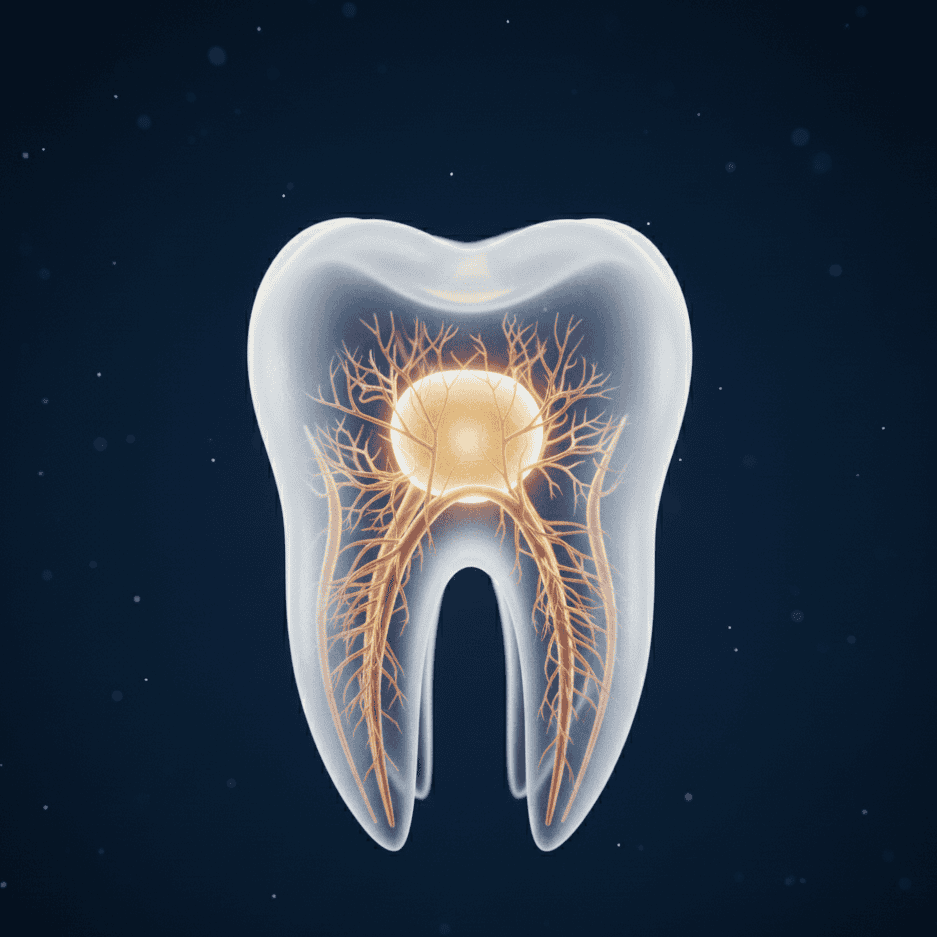
Semi-transparent 3D rendering of a molar tooth with the internal root canal system illuminated in a contrasting color, visually demonstrating complex canal anatomy hidden beneath the enamel and why specialist endodontic care is required.

When You Should See an Endodontist

Not every tooth infection requires a specialist — but some situations carry a higher risk of missed canals, persistent infection or unnecessary extraction. This is where endodontic expertise makes a meaningful difference.

🧠

Unclear or Persistent Pain

Pain that doesn’t match X-rays, shifts location, or returns after treatment often needs advanced diagnostic assessment.

Endodontists focus on identifying the exact tooth and cause before intervening.

🦷

Molars & Complex Anatomy

Back teeth frequently have multiple, curved or hidden canals that are easy to miss without magnification.

Missed anatomy is one of the most common reasons root canals fail.

🔁

Failed or Incomplete Root Canal

Ongoing infection after prior treatment often means canals were missed, contaminated or inadequately sealed.

Retreatment is more predictable when planned by a specialist.

🧬

Cracks, Trauma or Large Restorations

Teeth with cracks, prior crowns or trauma require careful prognosis assessment before committing to treatment.

The goal is deciding what can be saved — and what cannot.

⚠️

High Infection Risk

Swelling, abscesses or spread beyond the tooth increase the need for controlled disinfection and sealing.

In these cases, speed without precision increases failure risk.

🛑

Before Extracting a Tooth

Teeth are sometimes labelled “non-restorable” too quickly. A specialist opinion can clarify whether preservation is still realistic.

Once extracted, reversal is no longer an option.

If your case involves uncertainty, retreatment or a recommendation for extraction, reviewing the Root Canal overview and Extraction guide can help frame the decision before proceeding.

Endodontist vs General Dentist — How the Decision Is Made

Choosing between a general dentist and an endodontist is not about status or price. It’s about case complexity, diagnostic uncertainty and risk of failure. The safest option depends on the tooth — not the title.

General Dentist

General dentists manage a wide range of dental care and routinely perform straightforward root canal treatments when anatomy and diagnosis are clear.

  • Clear diagnosis and visible canals
  • Front teeth or simple premolars
  • First-time treatment with low infection risk
  • No history of trauma or retreatment

For predictable cases, treatment by a skilled general dentist can be appropriate and effective.

Endodontist

Endodontists focus exclusively on tooth pain, infection diagnosis and complex canal systems. They are typically involved when the margin for error is smaller.

  • Unclear or conflicting pain symptoms
  • Molars or teeth with complex anatomy
  • Failed or previously treated canals
  • Cracks, trauma or large restorations
  • Teeth advised for extraction prematurely

Specialist involvement is about reducing failure risk — not doing “more treatment.”

The safest pathway is often collaborative: a general dentist identifies the issue, and an endodontist becomes involved when complexity or uncertainty increases.

LumiQuest helps patients understand when escalation is protective — and when it isn’t necessary.

Precision, Technology & Treatment Approach

Successful endodontic treatment depends less on speed — and more on seeing clearly, planning accurately and executing with control. This is where specialist workflows differ most.

Advanced Diagnosis Before Treatment

Endodontic decisions start with pinpoint diagnosis. This may involve angled imaging, 3D scans or vitality testing to identify the true source of pain.

Treating the wrong tooth is one of the most damaging — and avoidable — errors.

Magnification & Illumination

Complex canals, cracks and anatomical variations are often invisible without high-level magnification. Specialists rely on enhanced visual control throughout treatment.

What cannot be seen clearly cannot be cleaned or sealed predictably.

Controlled Cleaning & Disinfection

Eliminating infection requires thorough mechanical shaping, chemical disinfection and time-controlled protocols.

Rushing this stage increases reinfection risk.

Predictable Sealing & Tooth Preservation

Once disinfected, canals must be sealed three-dimensionally to prevent bacterial re-entry and preserve remaining tooth structure.

Long-term success depends on both seal quality and restoration planning.

Dentist explaining a dental X-ray of a molar with visible root canal anatomy to a seated patient during a clinical consultation, illustrating diagnostic planning before endodontic treatment.
Reviewing detailed X-ray imaging allows the dentist to identify the exact source of pain and plan endodontic treatment accurately before any procedure begins.

These precision steps are especially important in complex root canal cases, retreatment and teeth that have been advised for extraction.

How LumiQuest Evaluates Endodontic Care

LumiQuest does not rank endodontists publicly or promote clinics based on visibility. Our role is to protect patients from avoidable failure by assessing how care is planned, delivered and followed up — not how it is marketed.
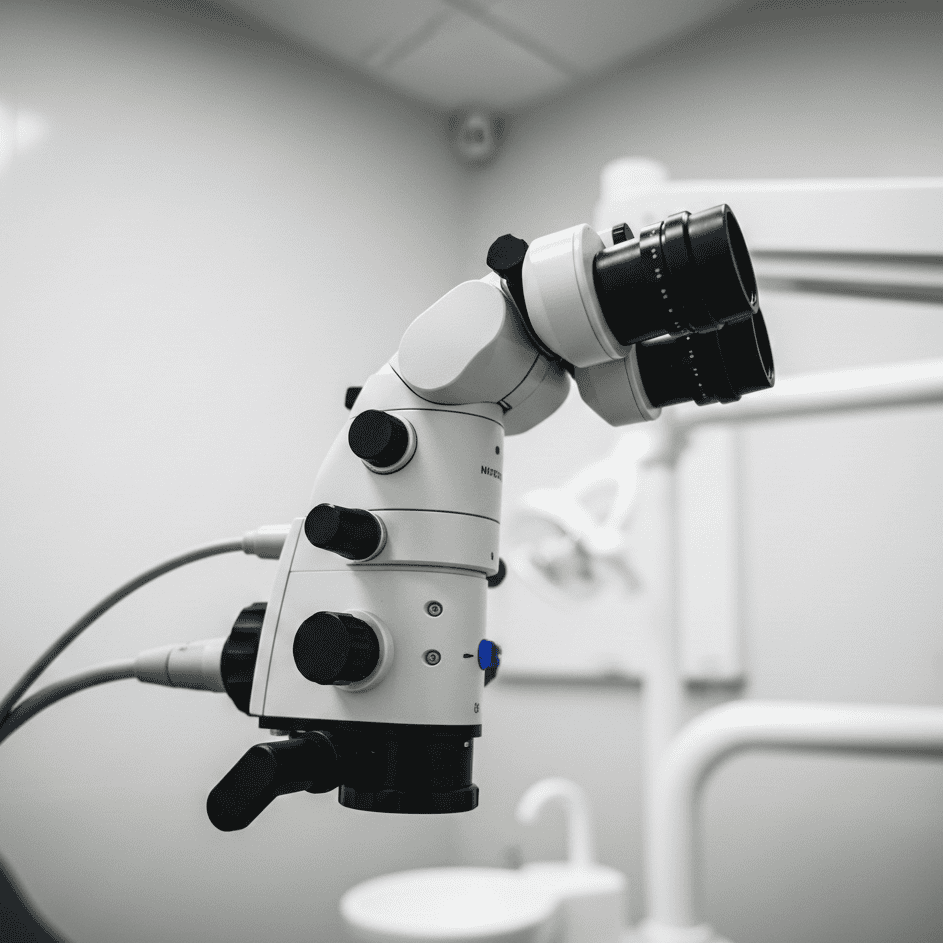
Dental operating microscope positioned over the treatment area in a modern clinic, illustrating magnification and visual precision used in specialist endodontic care.
Magnification is evaluated as part of clinical workflow — not as a marketing feature — because precision directly affects long-term treatment outcomes.

Diagnostic Discipline

We look for clear diagnosis before intervention — including appropriate imaging, vitality testing and documentation.

Case Selection & Ethics

Good clinicians know when to treat, when to refer and when not to promise tooth survival.

Precision Workflow

Use of magnification, isolation and controlled protocols matters more than speed or volume.

Infection Control & Retreatment Awareness

We prioritise clinicians who understand why root canals fail — and actively work to prevent it.

Patient Communication

Clear explanation of risks, alternatives and prognosis before irreversible decisions.

Outcome-Oriented Thinking

Long-term tooth stability matters more than immediate symptom relief or cosmetic appearance.

LumiQuest guidance is based on independent assessment, not paid placements. Patients receive private recommendations aligned with case complexity and risk — never public rankings.

If you’re weighing root canal treatment against extraction, reviewing the Root Canal overview and Tooth Replacement options can help clarify the safest long-term path.

FAQs: Endodontist in Dubai

Clear answers to the most common questions about endodontists in Dubai — from diagnosis and specialist value to retreatment, comfort and when extraction is truly necessary.

What is the difference between a dentist and an endodontist?

A general dentist provides broad dental care and can treat many straightforward root canal cases. An endodontist is a dentist with advanced training focused on tooth pain diagnosis, complex canal anatomy, infections and retreatment. The practical difference is usually precision in complex or high-risk cases.

Do all root canals require an endodontist?

No. Many root canals can be handled safely by an experienced general dentist when diagnosis is clear and the anatomy is straightforward. Specialist care is most valuable when the case involves molars, uncertainty, retreatment, cracks, trauma, or persistent infection.

When is specialist endodontic care recommended?

It’s commonly recommended when there’s a higher risk of failure — for example: molars, complex anatomy, failed prior treatment, unclear diagnosis, persistent pain, or a tooth that’s been advised for extraction without a clear explanation.

Is treatment by an endodontist more expensive?

Often, yes — specialist fees can be higher because cases are more complex and may involve advanced diagnostics, magnification and retreatment workflows. The key comparison isn’t just the initial quote; it’s the likelihood of long-term stability and lower failure risk. For cost context, see the Root Canal Cost guide.

Can an endodontist fix a failed root canal?

In many cases, yes. Failed root canals can sometimes be managed with retreatment (re-cleaning and resealing canals) or, in selected situations, a focused surgical approach. The decision depends on why it failed, the tooth’s structure, and the periodontal support.

Is endodontic treatment painful?

Most patients experience pressure, not pain during treatment when anesthesia is well managed. Post-treatment soreness can happen, but severe pain is not expected. Persistent or worsening pain should be reassessed to confirm diagnosis and healing.

Do endodontists perform extractions or only root canals?

Endodontists primarily focus on tooth preservation (root canal treatment and retreatment). They may advise extraction when prognosis is genuinely poor — but extraction itself is typically handled by general dentists, oral surgeons or other surgical providers. If extraction is being considered, compare pathways in Tooth Extraction and Single-Tooth Implants.

If you’re unsure whether you need specialist care, start with the Root Canal overview — then use this page to decide when escalation is protective.

What is LumiQuest?

LumiQuest is an independent patient guide that helps you navigate root canal treatment and specialist endodontic care in Dubai. We focus on accurate diagnosis, thoughtful decision-making and long-term tooth preservation — especially when pain, infection or uncertainty makes dental decisions harder.

No ads or sponsored listings for root canal and endodontic care in Dubai

No Ads. No Sponsorships.

LumiQuest does not accept paid listings or promotions. Guidance is grounded in clinical reasoning and long-term treatment thinking — never on marketing visibility, discounts or incentives.

Carefully selected endodontic providers for root canal treatment in Dubai

Carefully Selected for Endodontic Depth

We look for experience with complex cases, diagnostic clarity and careful treatment planning. Priority is given to clinicians who explain risks clearly, avoid unnecessary procedures and aim for predictable tooth survival.

Private network of root canal and endodontic care providers in Dubai

A Private Circle of Trust

Clinics that consistently demonstrate clinical honesty, precision and follow-through may be introduced to patients when appropriate. LumiQuest helps you access care that prioritises infection control, comfort and long-term stability — not rushed or repeat treatments.

Find My Dentist

Guidance grounded in safety, ethics, and real-world signals — in Dubai

Your smile deserves clarity, trust, care — and privacy
No ads · No sponsored spots · 100% patient-first · Fully confidential

Find Safe, Trusted Root Canal Care in Dubai

When you need root canal treatment, the quality of diagnosis and infection control matters. LumiQuest connects you with carefully selected dental providers in Dubai who prioritise accurate diagnosis, careful treatment and long-term tooth preservation — without pressure, upselling or rushed care.

Get Clear Guidance to the Right Dentist

Just a couple of minutes — no pressure, no cost, and fully private
One of our advisors will review your request and guide you to a suitable dentist or clinic, usually within 12 hours.

Type your country (e.g., “United Arab Emirates”) or its code (e.g., “+971”), then your number without the area code. WhatsApp only.
Please enter a valid phone number.
Advanced Options (optional)
JPG, JPEG, PNG, PDF, HEIC, WEBP (max 10MB each)

Maintained by: LumiQuest Dental Circle