Root Canal Treatment in Dubai — Preserve the Tooth, Eliminate Infection

Root canal treatment is a precise, infection-focused procedure designed to remove bacteria from inside the tooth while preserving its structure. When diagnosed correctly, it relieves pain, controls infection and helps avoid unnecessary extraction.

Tooth pain, swelling or sensitivity often originate from deep decay, cracks or pulp inflammation. The goal of root canal treatment is not just pain relief — but long-term tooth survival. This page explains when treatment is needed, how decisions are made, and when specialist care matters. For a broader context, see Dubai’s dental treatment landscape, or explore the Root Canal Cost guide, Endodontist overview and Emergency Dentist pathway.

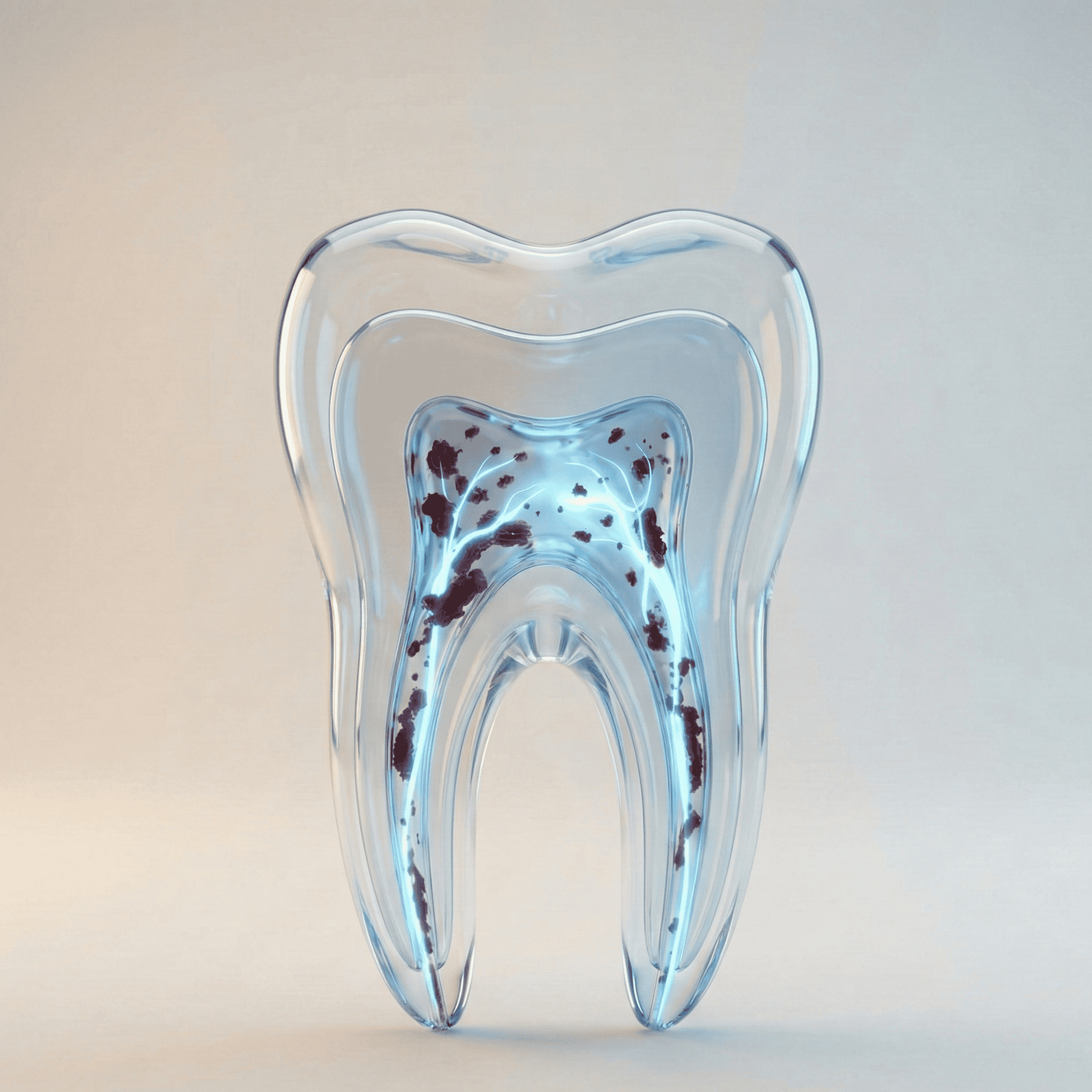
Conceptual 3D render of a translucent molar showing clean blue light flowing through the root canal system and removing internal infection, illustrating root canal treatment that preserves the tooth while eliminating bacteria.

Why Safe Root Canal Treatment Starts with Diagnosis

“Root canal” isn’t a one-size-fits-all procedure. The best outcomes come from accurate diagnosis, infection control and a restoration plan — not rushing into treatment based on symptoms alone.

🩻

Diagnosis Before Treatment

Tooth pain can come from pulp infection, cracks, bite trauma or gum issues. Good care starts with tests and imaging — not guesswork.

This is how you avoid treating the wrong tooth — or missing the real cause.

🧫

Infection Control (Not Just “Cleaning”)

Root canal success depends on disinfection, irrigation and sealing — especially in molars and complex anatomy.

The goal is to reduce bacteria inside the canals so reinfection is less likely.

🔬

Precision Tools & Technique

High-quality treatment is often supported by magnification, careful canal finding and controlled working length.

Precision reduces the risk of missed anatomy and short-lived results.

🦷

Restoration Plan (How the Tooth Will Be Protected)

A root canal-treated tooth often needs protection from fracture. Planning includes whether a crown or onlay is needed based on remaining tooth structure.

Long-term success depends on both the root canal and what happens after it.

If you’re comparing options, start with the Root Canal Cost guide. For complex cases or retreatment, see Endodontist in Dubai. If saving the tooth isn’t predictable, review Tooth Extraction.

What Root Canal Treatment Treats

Root canal treatment targets infection or irreversible inflammation inside the tooth (the pulp). The goal is infection control + tooth preservation — not just short-term pain relief.

1. Deep Decay That Reaches the Nerve

When bacteria reach the pulp, the tooth may become highly sensitive or develop spontaneous pain — especially to hot stimuli or when lying down.

The deeper the decay, the higher the risk of infection spreading beyond the tooth.

2. Tooth Infection or Dental Abscess

Infection can build pressure at the root tip and cause swelling, tenderness, a pimple on the gum, or a bad taste from drainage.

Imaging helps confirm whether the infection is localised or extending into surrounding bone.

3. Cracks or Large Fillings That Irritate the Pulp

A cracked tooth can irritate the pulp and allow bacteria to enter in a way that’s easy to miss. Symptoms often feel like sharp pain on biting or release.

Root canal may be considered if the crack affects pulp health — but diagnosis matters.

4. Failed Previous Root Canal (Retreatment)

Some teeth need retreatment if bacteria persists due to complex anatomy, missed canals, leakage, or delayed restoration.

For complex cases, a specialist assessment can be safer than repeating the same approach.
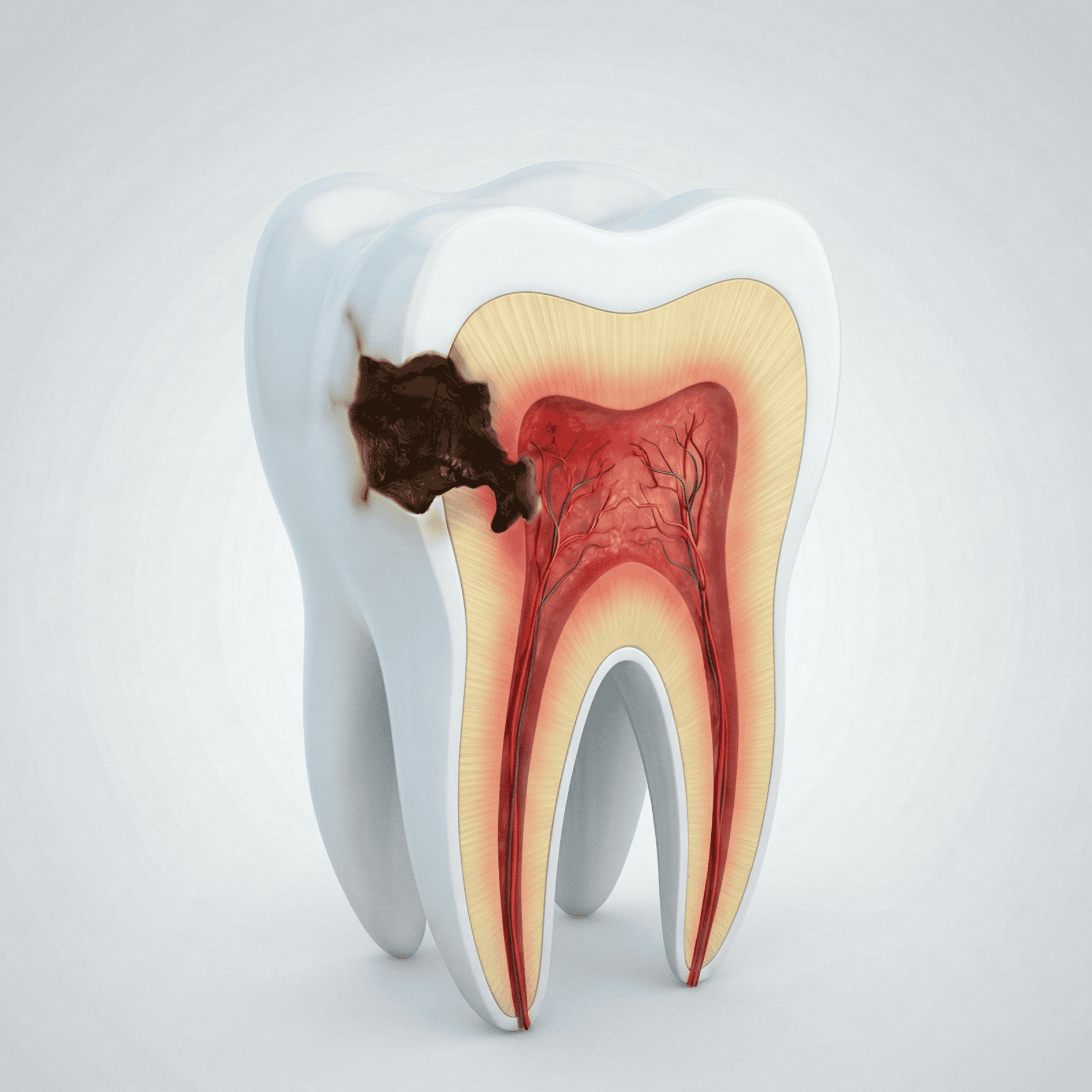
Educational 3D cross-section of a tooth showing deep decay reaching the pulp with inflamed nerve tissue inside, illustrating how untreated cavities can lead to infection requiring root canal treatment.
The decision to do a root canal should be based on diagnosis — not just symptoms. Imaging and clinical tests guide whether the tooth is saveable.

If the tooth cannot be predictably saved, see Tooth Extraction. If you’re dealing with severe pain or swelling, visit Emergency Dentist. For advanced or repeat cases, review Endodontist in Dubai.

Root Canal vs Tooth Extraction — How the Decision Is Made

The right choice depends on predictability: can the tooth be saved safely for the long term, or will keeping it lead to repeat infection, fracture, or ongoing pain?

Preserve natural tooth

Save the Tooth (Root Canal) Best when long-term survival is predictable

Root canal treatment is recommended when infection can be eliminated and the tooth can be restored with enough structure to remain stable under bite forces.

  • Restorable structure: sufficient healthy tooth remains
  • Controllable infection: canals can be cleaned and sealed predictably
  • Manageable crack risk: protected with a crown or onlay if needed
  • Stable periodontal support: bone and gums can support the tooth long term

Complex anatomy or retreatment cases benefit from specialist assessment. See Endodontist in Dubai.

Stop repeat problems

Remove the Tooth (Extraction) Best when saving it is not predictable

Extraction is advised when the tooth cannot survive reliably — even if symptoms can be temporarily reduced.

  • Non-restorable damage: decay or breakdown below the gumline
  • Unsealabe fractures: cracks extending beyond repair
  • High reinfection risk: poor prognosis despite treatment attempts
  • Support loss: advanced bone loss or mobility

Extraction is only step one — replacement planning matters. Review Single-Tooth Implants or Tooth Extraction.

A responsible plan explains why one option is more predictable — using imaging, testing and restoration planning — not default choices.

Severe pain or swelling should be assessed urgently by an Emergency Dentist.

What to Expect During Root Canal Treatment

A well-planned root canal is usually more controlled and comfortable than patients expect. The sequence is simple: confirm the diagnosis, isolate the tooth, disinfect the canals, then restore the tooth for long-term function.

1

Diagnosis & Treatment Plan

Your clinician confirms which tooth is responsible using clinical tests and imaging, and explains whether the tooth is predictable to save.

If the case is complex or previously treated, specialist assessment may be recommended. See Endodontist in Dubai.

2

Anesthesia & Isolation

Local anesthesia is used so the procedure is comfortable. A protective isolation method is applied to keep the area clean and reduce contamination risk.

Comfort and infection control are quality markers — not “extras”.

3

Canal Cleaning & Disinfection

The canals are cleaned and disinfected with controlled shaping and irrigation to reduce bacteria. This is the core of treatment success.

Molars and complex anatomy take longer and require more precision.

4

Sealing & Tooth Protection

After disinfection, the canals are sealed and the tooth is rebuilt. Depending on remaining structure, a crown or onlay may be recommended to reduce fracture risk.

The long-term outcome depends on both the root canal and what happens after it.

For pricing clarity, see Root Canal Cost. If saving the tooth isn’t predictable, review Tooth Extraction and Single-Tooth Implants.

Recovery, Aftercare & Long-Term Tooth Stability

Most patients recover quickly after root canal treatment. Long-term success depends on healing quality, bite protection and follow-up care — not just finishing the procedure.

🕊️

Healing Window

Mild tenderness when biting is common for a few days as inflammation settles. Pain should steadily improve — not worsen.

🦷

Tooth Protection

A treated tooth is more fragile until restored. Avoid heavy chewing until the final crown or onlay is placed.

📆

Review & Monitoring

Follow-up checks confirm healing around the root and help catch problems early.

What Normal Recovery Feels Like

Most patients return to normal activities the same or next day. Discomfort is usually pressure-related rather than sharp pain.

Over-the-counter pain relief is often sufficient unless advised otherwise.

When to Call Your Dentist

Contact your clinician if you notice increasing pain, swelling, fever, or a bad taste that does not improve.

These signs may indicate persistent infection or bite issues that need adjustment.

Why the Final Restoration Matters

The root canal removes infection; the restoration protects the tooth. Without proper coverage, the tooth is at higher risk of fracture or leakage.

This is why timing and material choice matter for long-term success.

If a tooth cannot be stabilised despite treatment, review Tooth Extraction and Single-Tooth Implants to understand replacement options.

FAQs: Root Canal Treatment in Dubai

Clear answers to the most common questions about root canal treatment — from pain and safety to longevity, costs and when specialist care matters.

Is root canal treatment painful?

With proper anesthesia, root canal treatment is usually no more uncomfortable than a filling. Most patients feel pressure rather than pain. Mild tenderness afterward is common and typically settles as inflammation reduces.

How long does a root canal-treated tooth last?

When infection is controlled and the tooth is properly restored, root canal-treated teeth can last many years — often comparable to natural teeth. Longevity depends on diagnosis, disinfection quality and final restoration.

Can infection return after a root canal?

Reinfection is uncommon but possible if bacteria persist due to complex anatomy, missed canals, delayed restoration or leakage. Many of these cases can be managed with retreatment or specialist care.

Is it better to extract the tooth instead?

Saving the natural tooth is usually preferred when it can be done predictably. Extraction is considered when long-term stability is unlikely. The decision should be based on structure, infection control and bite forces, not just symptoms.

Do I always need a crown after a root canal?

Many back teeth benefit from a crown or onlay to reduce the risk of fracture after root canal treatment. Front teeth may not always need full coverage. The recommendation depends on how much healthy tooth remains and how the tooth is loaded when you bite.

How many visits does root canal treatment take?

Many cases are completed in one or two visits. Teeth with swelling, complex anatomy or prior treatment may require a staged approach for safety.

When should I see an endodontist?

Specialist care is often recommended for molars, retreatment cases, severe infection, complex canal anatomy or persistent symptoms. See Endodontist in Dubai for advanced assessment.

How much does root canal treatment cost in Dubai?

Costs vary by tooth type, complexity and whether specialist care is involved. For a transparent breakdown, see the Root Canal Cost guide.

If you’re unsure whether your tooth can be saved, review Tooth Extraction and Single-Tooth Implants to understand alternatives.

What is LumiQuest?

LumiQuest is an independent patient guide that helps you navigate root canal treatment and specialist endodontic care in Dubai. We focus on accurate diagnosis, thoughtful decision-making and long-term tooth preservation — especially when pain, infection or uncertainty makes dental decisions harder.

No ads or sponsored listings for root canal and endodontic care in Dubai

No Ads. No Sponsorships.

LumiQuest does not accept paid listings or promotions. Guidance is grounded in clinical reasoning and long-term treatment thinking — never on marketing visibility, discounts or incentives.

Carefully selected endodontic providers for root canal treatment in Dubai

Carefully Selected for Endodontic Depth

We look for experience with complex cases, diagnostic clarity and careful treatment planning. Priority is given to clinicians who explain risks clearly, avoid unnecessary procedures and aim for predictable tooth survival.

Private network of root canal and endodontic care providers in Dubai

A Private Circle of Trust

Clinics that consistently demonstrate clinical honesty, precision and follow-through may be introduced to patients when appropriate. LumiQuest helps you access care that prioritises infection control, comfort and long-term stability — not rushed or repeat treatments.

Find My Dentist

Guidance grounded in safety, ethics, and real-world signals — in Dubai

Your smile deserves clarity, trust, care — and privacy
No ads · No sponsored spots · 100% patient-first · Fully confidential

Find Safe, Trusted Root Canal Care in Dubai

When you need root canal treatment, the quality of diagnosis and infection control matters. LumiQuest connects you with carefully selected dental providers in Dubai who prioritise accurate diagnosis, careful treatment and long-term tooth preservation — without pressure, upselling or rushed care.

Get Clear Guidance to the Right Dentist

Just a couple of minutes — no pressure, no cost, and fully private
One of our advisors will review your request and guide you to a suitable dentist or clinic, usually within 12 hours.

Type your country (e.g., “United Arab Emirates”) or its code (e.g., “+971”), then your number without the area code. WhatsApp only.
Please enter a valid phone number.
Advanced Options (optional)
JPG, JPEG, PNG, PDF, HEIC, WEBP (max 10MB each)

Maintained by: LumiQuest Dental Circle