🦷
Impaction & Angulation
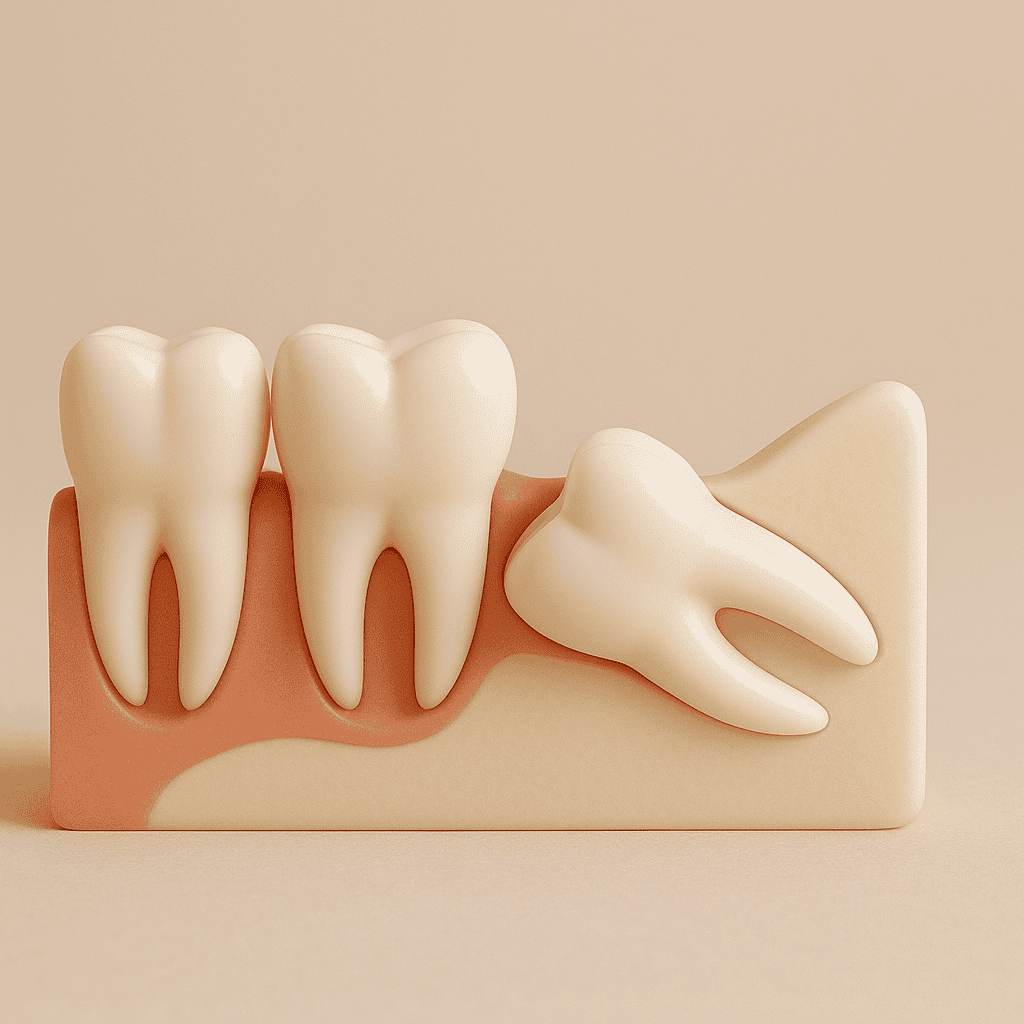
When wisdom teeth are trapped under gum or bone, or angled toward adjacent teeth, they can't erupt properly and create pressure, pain or infection.
Impacted wisdom teeth rarely "fix themselves" over time.

Wisdom tooth removal in Dubai isn't something to rush through or postpone out of fear. It's a planned, dentist-supervised procedure that balances timing, technique and pain control — whether your wisdom teeth are erupted, angled or deeply impacted.
LumiQuest focuses on criteria, not advertising. As a dedicated resource for finding a dentist in Dubai, we don't rank clinics by paid visibility. Instead, we evaluate surgical planning, sedation options, safety protocols and real patient feedback — helping you compare options starting from the Tooth Extraction hub, Oral Surgeon guide and Extraction Cost overview.


Not all wisdom tooth removals are the same. Simple extractions and surgical removals differ in technique, recovery and complexity — and understanding the difference helps set realistic expectations for timing, discomfort and healing.
When wisdom teeth are fully erupted and upright, removal is similar to a standard extraction — using local anaesthetic, elevation and forceps.
Minimal cutting, faster healing, less post-op swelling.
Impacted or angled wisdom teeth require surgical access — cutting through gum tissue, sometimes removing bone, and sectioning the tooth into pieces for safe removal.
More complex, longer procedure, more post-op care needed.
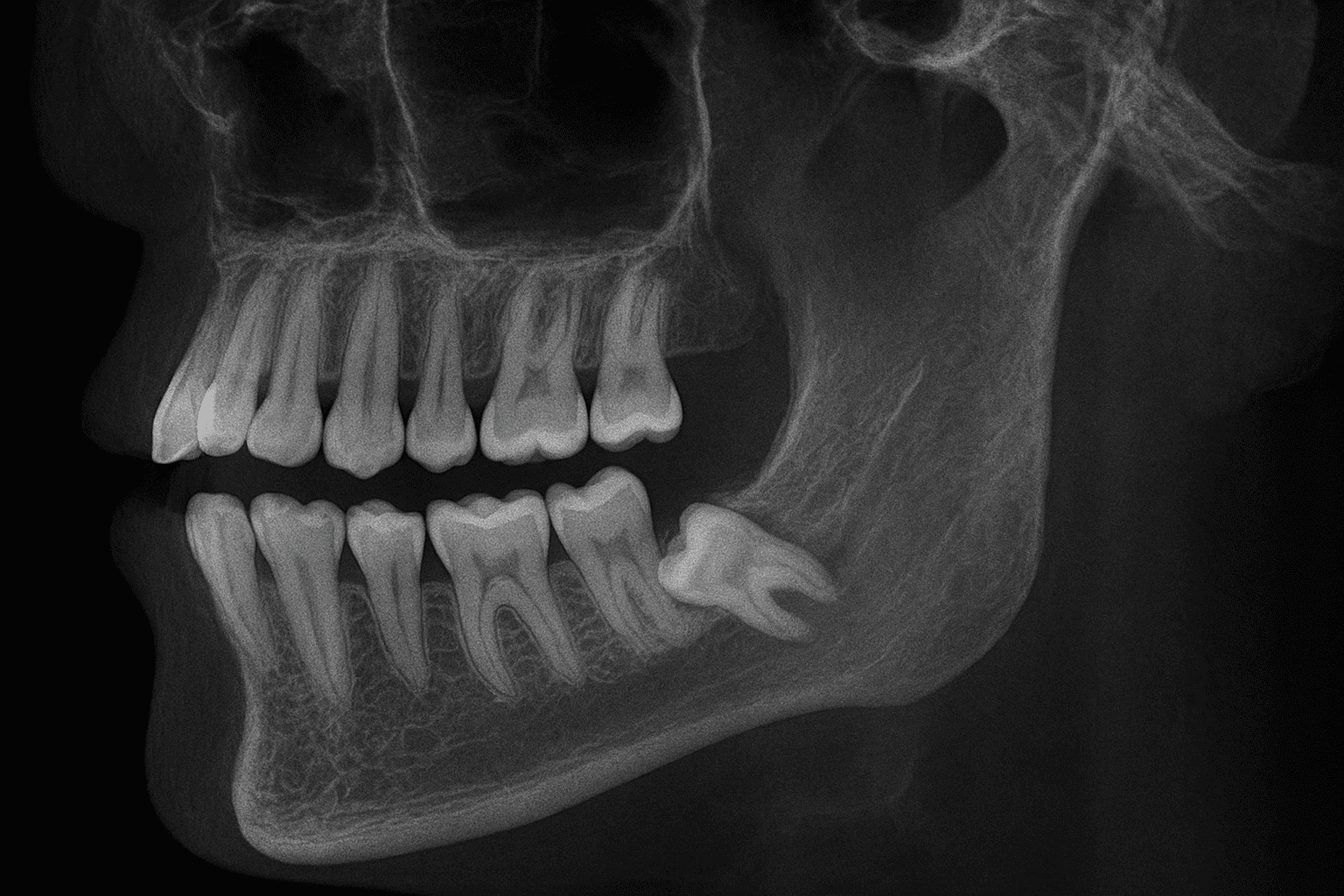
X-rays reveal angulation, depth, root shape and proximity to nerves — all factors that determine whether your case is straightforward or complex.
Assessment before treatment prevents surprises and sets clear expectations.
Simple cases often need local anaesthetic only, while surgical cases may benefit from IV sedation or general anaesthesia for comfort and anxiety control.
Sedation choice depends on complexity, anxiety and personal preference.
If your wisdom teeth are deeply impacted or close to nerves, an oral surgeon with surgical training is the safest choice — general dentists handle simple cases, but complex removals need specialist expertise.
Recovery from wisdom tooth removal depends on surgical complexity, your body's healing response and how well you follow aftercare instructions. Most discomfort peaks in the first 48-72 hours, then improves steadily with proper care.

Rest, ice packs and gauze pressure to control bleeding and swelling. Avoid rinsing, spitting or using straws.
Swelling and discomfort typically peak around day 2-3, then start improving. Continue ice and pain medication.
Swelling decreases, gentle saltwater rinses can begin. Soft diet continues, stitches may dissolve or be removed.
Most patients return to normal eating and activity. Socket continues healing beneath the surface for weeks.
Contact your dentist if you experience severe pain after day 3, excessive bleeding, fever, foul taste or numbness that persists — these may indicate infection or dry socket.
Good aftercare isn't optional — it's what prevents complications like dry socket, infection and delayed healing. Follow your dentist's instructions carefully, especially regarding smoking, rinsing and activity restrictions.
Modern wisdom tooth removal offers multiple pain control and sedation options to match your anxiety level, surgical complexity and personal preferences — from local anaesthetic alone to full sedation or general anaesthesia.
The foundation of pain control — numbs the surgical area completely so you feel pressure but no pain during the procedure.
A calming pill taken before the appointment reduces anxiety while keeping you awake and responsive throughout.
Deeper sedation delivered through an IV line — you're relaxed, drowsy or asleep, with little to no memory of the procedure.
Complete unconsciousness in a hospital or specialist surgical setting, typically for complex or multiple impactions.
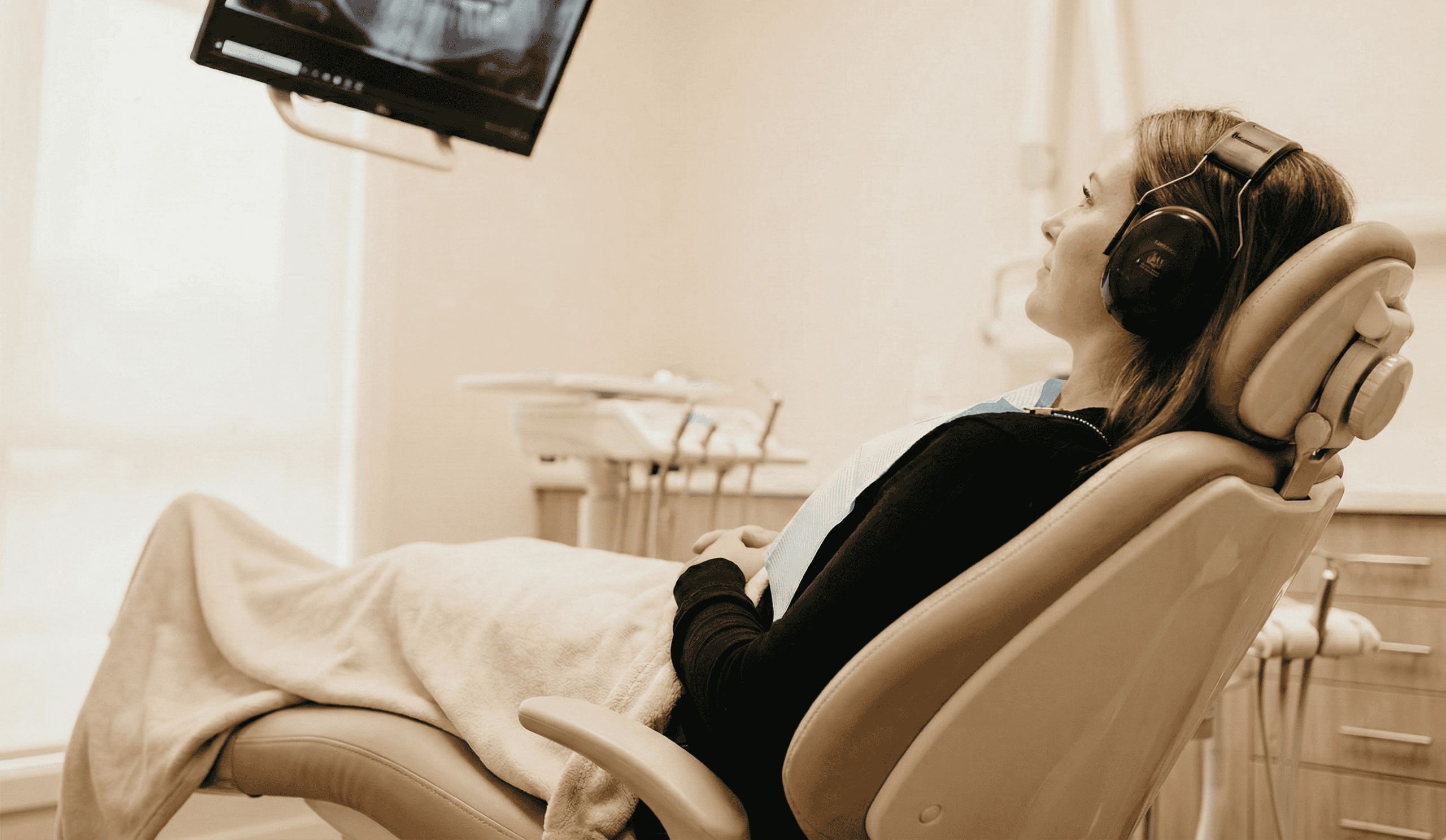
The best sedation choice depends on surgical complexity, your anxiety level and medical history — not just personal preference alone.
Simple, erupted wisdom teeth often need local anaesthetic only, while deeply impacted cases or high anxiety may benefit from IV sedation or general anaesthesia.
Good clinics discuss options upfront, explain costs clearly and help you make an informed choice based on what's clinically appropriate and what makes you comfortable.
If you're highly anxious about dental procedures or have had traumatic experiences, don't hesitate to discuss sedation openly with your dentist. The Oral Surgeon guide explains how specialists handle complex cases with advanced sedation options.
LumiQuest is an independent patient guide that helps you find dental providers in Dubai for procedures such as tooth extraction, wisdom tooth removal and oral surgery who are committed to safe care, clear explanations and ethical decision-making. Our role is to make choosing trustworthy care simple — especially when you’re in pain or anxious.

LumiQuest does not accept paid listings or promotions. You receive clear, unbiased guidance to clinics based on clinical quality, ethics and patient outcomes — not advertising budgets.

Each clinic is screened for experience, transparency and responsible treatment planning. We look for providers who explain options clearly, avoid pressure tactics and put safety and predictability first.

Only clinics that consistently show honesty, clinical quality and patient-first care are included in our network. LumiQuest helps you access places that prioritise clear diagnosis, comfort and predictable recovery.